.
.

.
.
NOVEMBER
Time to chop and fill the firewood rack, stoke the hearth to a roaring blaze. The first frost is upon us now. Our coat pockets are stuffed with mittens and gloves, pull the scarf that runs through the sleeve and grab our cap, as we walk out into the deep autumn nights. The vibrant dress of October’s garments has fallen away. Bare branches briskly rock as silhouettes in the cold night air against the darkening sky. We lay the wool blanket under the spread, and with our eyes closed the clock falls back to the standard. We take back what we lost in the spring. November has arrived.
On All Hallows’ Eve, the greenwood’s winding path deepens. From the open fields to the forest floor, the echoes sing. Out in the wild dark, the bonfire roars, its sparks fly into the chill night air as once the twilight filled the druids, the warriors, and the tribes. The old world would stand at the edge of winter—fierce, watchful, rooted deep in the oaks. Yet, the trail does not stop in the shadows and the winding path leads from the echoes to the choir. It carries our steps from the wood to the warm, candescent light of the cathedral. Night’s veil gives way to the dawn. The martyrs, the heroes, and the folk-souls give way to All the Saints and to All the Souls that have since passed. They illuminate the ancients to what will soon be born, the light of the world.
Yet in November there is a quiet, heavy stillness in the air now, and there is no hurry. Time to roll and move inward, retreating from the biting frost, into the safety of warm fires and candlelight —a sense of entering a time that is comfortably unknown.
In November, our ancestors knew the earth was closing its eyes, the lids grew heavy, and the tasks of survival took on a solemn, inner weight. This is the ancient Blōtmōnaþ—the Month of Blood. It is the time to hunt and dress (butcher) the animals for our survival in the winter months to come.
The mornings are crisp and freezing. It is the time of killing, before the deep snows lock the land. The hard work of butchering now takes place: chickens, ducks, goats, and rabbits from the yards, and the deer brought home from the wood. Nothing is wasted. The meat is salted, smoked, and hung in the larder alongside the heavy sacks of threshed grain and root crops. We look upon our packed storehouses with a sigh of relief. The food is stored. The community is secure. We are ready for whatever the winter brings.
Yet, as the external world grows cold and dark, our animal neighbors who have worked so hard all year to build and safeguard their homes, now retreat and settle into their lodges under the brilliant, silver light of the Beaver Moon.
Our community spirit is ignited with the festival fires of remembrance and the ancient warmth of tradition. What does November bring to our hands and hearts? How do we carry the light forward?
November also carries the shadows of intrigue and memory. On the 5th of November, we recall the fiery history of Guy Fawkes, a stark reminder of the tumultuous forces that shaped our heritage as it hunts for the 1st Tuesday that fuels the election season.
Our focus then turns to sadness and gratitude, where the ancient and modern worlds seamlessly meet. On the 11th of November, we move from Armistice Day to Remembrance Day, honoring the end of WWI and all the soldiers who served. With our veterans we gather in the chapel for a solemn service. The air becomes heavy with the memory of sacrifice, as we wear the symbolic red poppy proudly against our dark winter coat. The Chapel is full of those who gave all for the land and for their people. A solemn service and time is set to reflect on those whose letters were sent home from faraway lands, never to return.
After the service, reading, and music, families and friends will make their way to the cafeteria. They will break bread together over a golden roasted goose, celebrating the bonds of duty, memory, and the community that ties us together across all generations.
It is no coincidence that we also celebrate the feast day of St. Martin (Martinmas), the ancient Roman soldier who through a miracle of Christ’s words, turned from a warrior to a saint of peace. In the afternoon, children and adults build lanterns for the evening festival. At 7PM, families arrive and meet in the cafeteria with their lanterns. They are lit, and we follow our captain into the night walking and singing joyful lantern songs. When we reach the middle of the wood, all will grow silent. You can smell one of the first logs in a fireplace wafting through the air, reminding us winter is coming. The light chattering begins to die down until all is silent. We listen to the slumbering of the trees, of peace in the wood. Cold and calming, this too is nature. Until, there’s a loud yelping, not unlike a coyote or wolf howling at the moon. It is the farmer calling to offer an invitation to a Tomten, “OO OO OO! I call a Tomten! Come live and care for the animals here! Come stay through the winter and spring, OO OO OO! Come take the porridge!” Others in the group call a similar offer. Once the invitations have been made, a bowl of porridge will be placed outside the house that night on a small table or a bench. In the morning, if the porridge is gone, you have a visitor and caretaker for the months ahead.
We then continue our walk, very quietly, to the gym. We sit around the boughs of pine in the fashion of a spiral, we form a great big circle. When all has settled we quietly sing, ‘O come, O come, Immanuel.’ The oldest and youngest in our community walk into the center of the spiral and light the first candle. Everyone who wishes will follow, lighting their candle next to the one before. This is the beginning of what we call Long Advent. Many walk and light a candle on the spiral as they take in the silence and beauty. As the candles grow, it is a reminder that this little spark that started at the center will also grow inside us, lighting our way forward to the Feast of Christmas Day.
When all have done, we sing quietly one more time, gazing upon the beauty. Then very quietly, little by little, people will silently leave and head home.
As the frost deepens, we journey toward the heart-warming heritage of Thanksgiving, walking in the historic footsteps of the Pilgrims. We give profound thanks for the first fruits, the hard-won harvest, and the freedom to cultivate our culture in this New World.
At Thanksgiving, most of the people in the community are off to spend these few days with family, and those staying will come together. Everyone during this holiday helps to make a turkey with all the fixings and fun.
November also demands that we make our hands busy with the oldest craft of fire and forge. On the last Friday of November, the anvil rings out to celebrate the Festival of St. Clement’s Day. The Blacksmyth shop becomes the roaring, glowing heart of the village. Inside the warmth of the workshop, we hold the grand St. Clems Mead Competition. The air is thick with the intoxicating aromas of wild honey, orange, cinnamon, clove, and allspice—brewing a rich, golden elixir fit to be called the Nectar of the Gods. A bright, polished coin is dropped into the brew for luck, honoring the patron saint of smiths and sailors. The winner of the MEAD competition will receive a .9999 silver anvil coin with the words inscribed, 2026 Winner, Nectar of the Gods.
Thanksgiving Weekend is also the last weekend for the Contra Dancing potluck. We hope to see you there!
.
.
.
.
“Gratitude is not only the greatest of virtues, but the parent of all the others.” — Cicero
All Saints and All Souls Day
Allhallowtide — All Saints’ and All Souls’ Day traditionally fall on November first and second. These two holy days are celebrated across all Christian calendars. They follow the last day of October, the 31st, All Hallows’ Eve, commonly called Halloween. The honoring of the saints began roughly 600 AD, but the honoring of such heroes dates back to at least 1600 BC.
In the Pagan Tradition, the 31st and the 1st are part of Samhain, the dusk and the dawn. We approach this as the Perilous Path in October.
These two days are a celebration of honor and veneration for all the Saints and Martyrs. One may honor their namesake, the saint they were baptized after, or a saint that is a protector of their chosen field or occupation. For some, it is just having an affinity with the lives of saints, martyrs, and heroes that one looks for inspiration, or up to as a role model. In some parts of Europe, people dedicate their entire lives to serving the cause these saints began. It is a day to honor those with a profound strength of will and character.
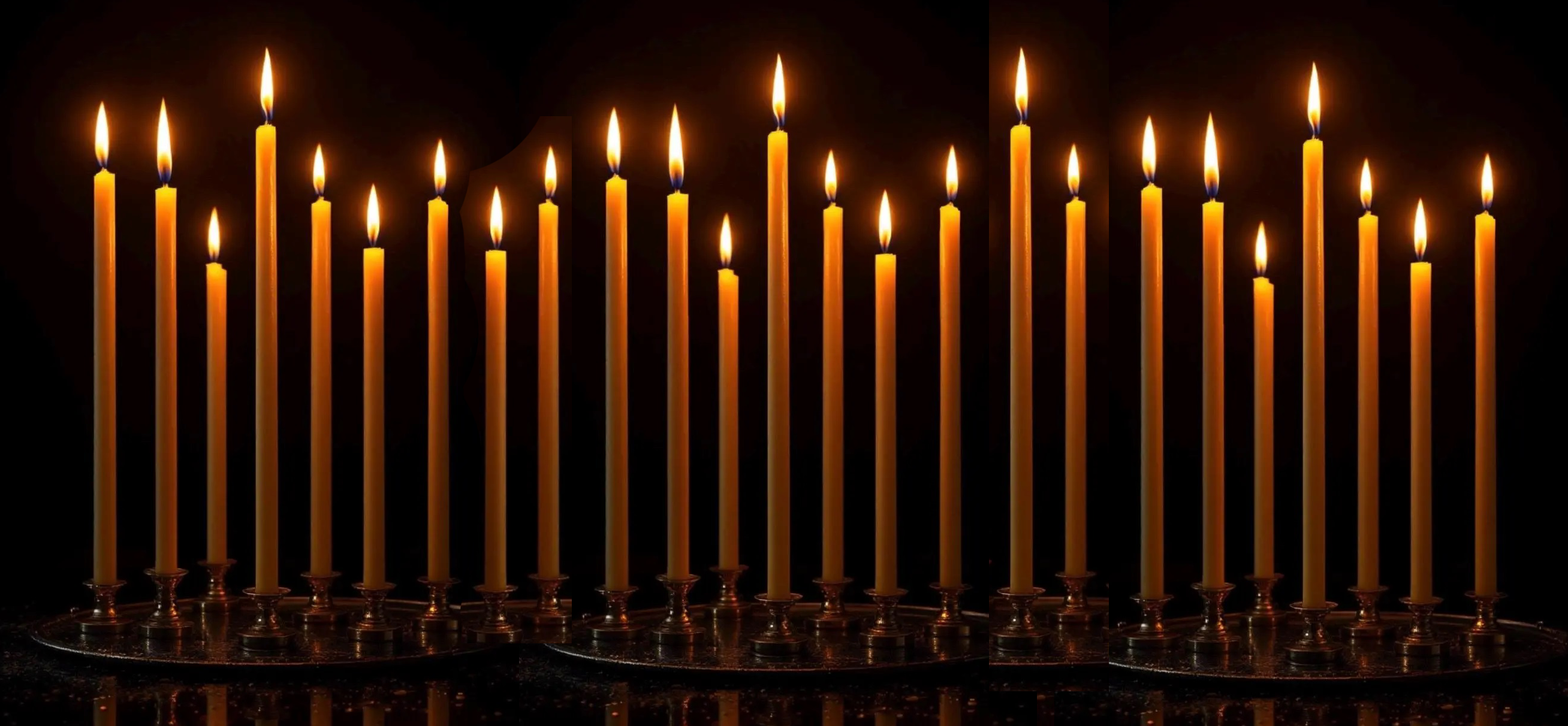
Those who come to the chapel light a candle in the name of the saint on November 1st and a loved one on November 2nd. Visitors are welcome to sit and ponder, meditate, say a prayer or rosary as long as they wish. They are also welcome to stand at the podium and read a short biography of the saint they wish to honor and celebrate. We welcome our Pagan brothers and sisters to share their namesake stories with those above as well as heroes and family names on All Souls’ Day.
November 2nd is very similar to November 1st. However, rather than a saint that is venerated, it is a relative who has passed on that is remembered and honored. Often folks will bring flowers and place them at the feet of the statue of the Mother. People are again invited to give a short biography of their dearly departed and let others know how they were inspired and strengthened by their life.
The celebration begins just before midnight on the 31st. Vespers are sung throughout the night, and the names of all those who have passed are read and called out in the chapel. They are invited to join and sit with those who come to remember their loved ones. I have been told they very much enjoyed these two days.
At sunrise, the local priest, Father Timothy Meadows, from the Catholic Church, usually comes and celebrates a Tridentine Mass on both days. There are other denominations that will be celebrated throughout the day. The services end shortly after midnight on the 3rd. Check the Celebration Times by Denomination on the Chapel Door.
~During these two days, the League of St. Joseph provides some food and comfort in the cafeteria. There is always coffee, tea, and cocoa. A plate will be set up throughout the two days with ladyfingers, almond cookies, and clove biscuits. There are fresh cut fruits, apples, pears, mela cotogna jam with honey, cheese, rosette di pane, nuts, apricots, figs, and marzipan.
Sitting back and relaxing is the perfect time to talk about namesakes, connections to saints, martyrs, and heroes. The spiritual leaders may share their knowledge of particular saints of the past or the heroes of the bygone days. A similar event takes place on All Souls’ Day, only the topic will be about loved ones and family members. If you care to, it is also a time to share your own biography and history.
The services take place all morning. Many go to the café for lunch afterward and come to the cafeteria for the coffee and treats. It is also a great time to meet and greet with the members and our neighbors.
~For the remainder of the week, the café makes a rosemary pork roast cooked outside on a spit, served with small red and yellow potatoes, carrots, celery, onions and fresh parsley. There is also a cinnamon apple-raisin bread pudding for dessert. There is Weiss beer with lemon, or a heavy-bodied Merlot for the adults, and a glass of milk with a dash of almond and cardamom syrup or sparkling apple cider for the children.
.
.
.
.
Politics
 Election Day — First Tuesday of November
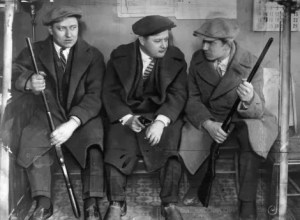
The chili potluck kicks off at 6PM in the cafeteria, so everyone has plenty of time to fill their bowls and settle in. At 7PM, Professor Burk will lead a casual “dinner in the round” session, starting with a 20- to 30-minute overview on the history of elections before Rome and around the world. How did elections come about, how were they lost, and how are they implemented today? He will also touch on wars, duels, fights, deaths, Guy Fawkes, Jim Crow, humor, cartoons, newspapers, and the history of modern political parties and movements, as well as who held the best elections in history and in modernity.
Once the overview wraps up, the floor opens for your questions and lively discussion until the live results start coming down or the questions run out—with Professor Burk sticking around until 9 or 9:30PM. A large TV screen will be tuned into C-SPAN for the federal elections, switching over to local newscasts after 10PM for state results. Pizza will also be ordered later in the evening. The whole family is invited, and all discussions are expected to be heated but civil. Bring a pot of chili, bread and butter, salad, or a dessert. If you can’t cook, help set up and clean up—and may the best man win! — Election Dinner (6PM) & Discussion (7PM Cafeteria).
Topic: Voting
Ideal Mechanics Players
Descent Upheaval Sacrifice History
Good, Bad, the Obscene: Corruption & Power Hungry
Appearance of Power, Public Transparency that Shape Reality and Ideals.
Books
The Magna Carta – (Great Charter) Royal Charter of rights sealed by King John of England at Runnymede, Windsor, June 15, 1215.
Niccolò Machiavelli, The Prince – 1513/1532
William Shakespeare, The Tragedy of Julius Caesar – 1599
John Law, Money and Trade Considered – 1705
John Adams, A Defence of the Constitutions of Government of the United States of America – 1787
Henry Adams, Democracy (Disillusionment & Reality) – 1880
Robert Penn Warren, All the King’s Men – 1946
Allen Drury – Advise and Consent – 1959
.
.
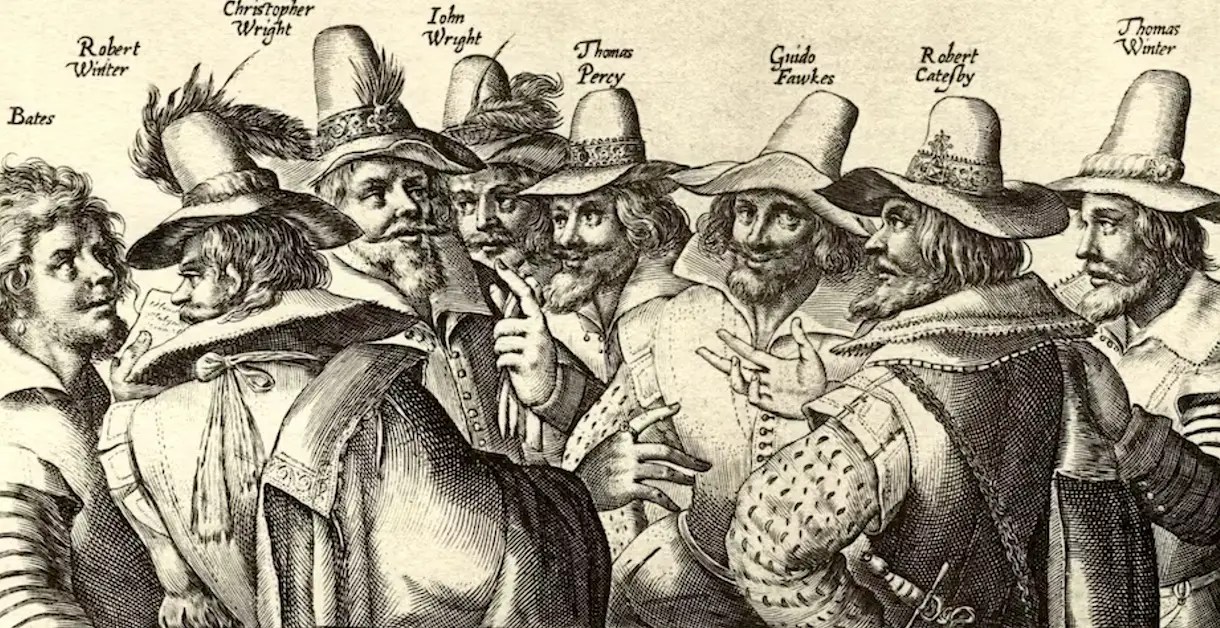
A penny for the guy
Guy Fawkes Day — Guy Fawkes Day (also known as Bonfire Night or Fireworks Night) is an annual British observance held every November 5. It marks the failure of the Gunpowder Plot of 1605. [link tbc]
History
- The Plot: A group of radical Roman Catholic conspirators—led by Robert Catesby and including Guy Fawkes—sought to assassinate the Protestant King James I and blow up the Houses of Parliament in London to reestablish Catholic rule.
- The Arrest: On the night of November 4–5, 1605, guards discovered Guy Fawkes guarding 36 barrels of gunpowder hidden in a cellar beneath the House of Lords.
- The Tradition: Parliament declared November 5 a day of public Thanksgiving, sparking a tradition of lighting bonfires and burning effigies (“Guys”). Even today, the Yeomen of the Guard still ceremonially search the cellars of Parliament before the state opening.
Remember, remember! The fifth of November,
The Gunpowder treason and plot;
I know of no reason
Why the Gunpowder treason
Should ever be forgot!
.
.
.
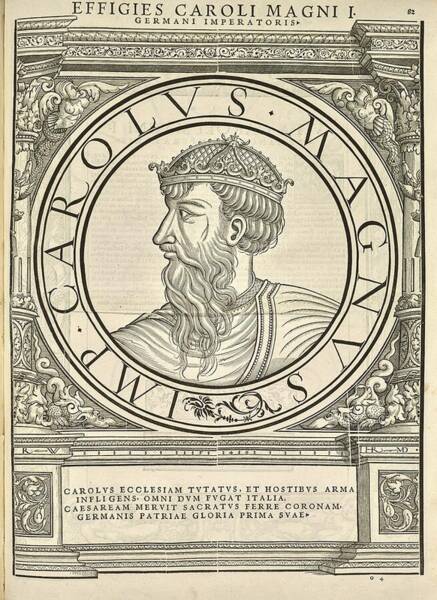
Cultural & Historical Foundations Outline – Dawn of the Middle Ages
From fragmented tribes to the imperial crown, November bridges the early medieval foundations (Christian preservation post-Rome) to the high medieval world (feudal height and Crusades).
Charlemagne, the Crusades & the Normans (c. 768–1095 AD)
- November heralds the medieval light. From post-Roman fragmentation to imperial unity under Charlemagne, the rise of feudal order, and the spark of holy war, the hastening of the Norman Conquest.
- Europe —
Post-Roman Fragmentation & Early Medieval Challenges (c. 476–768 AD)
- Viking raids begin (~790 AD onwards, peaking in the 9th–10th centuries); Magyar and Saracen pressures add instability.
- Hygiene challenges in villages: Fleas, parasites are common; daily life centered on manors and survival.
- Churches and monasteries preserve literacy, law, and classical knowledge through dark times (copying manuscripts, maintaining schools amid raids).
- From Pagan to Christianity — 496/508 CE: Clovis I, king of the Salian Franks, converted to Catholicism, sparking the Christianization of Germanic peoples in Western Europe. 6th–9th Centuries: Monastic missions, expanding the faith into Britain, Ireland, and Germanic interior regions. 8th–11th Centuries: Scandinavia and Northern Europe convert, through King Olaf, royal decrees, political alliances, and military pressure were set.
Anglo-Saxon Era (c. 500–1066 AD)
- Barbarian kingdoms settled across Western Europe after the Western Roman Empire’s fall in 476 AD.
- Villages with Priests & Smiths — During this time, the Priest saw to the Christianization of the countryside and the Blacksmyth provided essential agricultural and military tools in the Village. Outside the Farmer, these were the two of the most powerful positions in daily life between the 5th and 9th Century.
- The Merovingian Dynasty — The ruling family of the Germanic Franks from the mid-5th century until 751AD,
- Beowulf Epic, 8th and 11th c.
- True Religion of the Anglo-Saxons.
- Charles Martel, 8th c.
- Pepin Dynasty Pepin I (Pepin of Landen / Pepin the Elder): Mayor of the Palace of Austrasia from c. 615 to 639. Pepin II (Pepin of Herstal): de facto ruler and Mayor of the Palace from 687 to 714. Pepin III (Pepin the Short): Active as Mayor of the Palace from 741 to 751, and crowned as the first Carolingian King of the Franks from 751 to 768.
- Pope Stephen II Usurpation, 8th c.
- Pipin III Betrays Merovingian Dynasty
- The Carolingian, a medieval Frankish noble family and dynasty that ruled Western and Central Europe. Named after Charles Martel and his grandson Charlemagne. 8th–10th century.
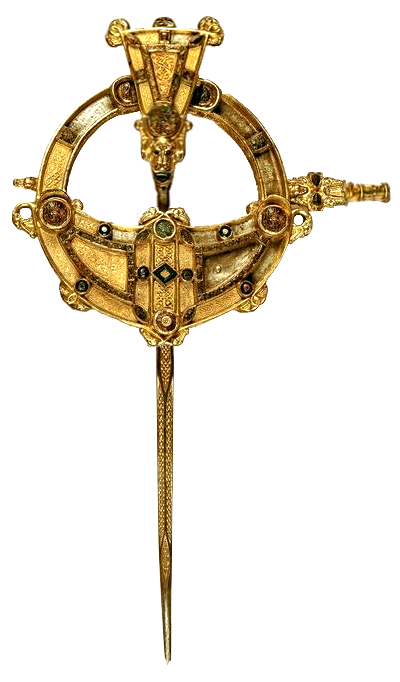
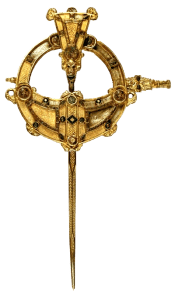
- Book of Kells, 800AD. Created by Columban monks. Started at the monastery on the island of Iona, moved to the Kells Abbey in County Meath, Ireland.
The Carolingian Dawn: Charlemagne’s Rise & Unification (c. 768–814 AD)
- Charlemagne ascends the Frankish throne, 768 AD.
- Campaigns to unify Western Europe under Frankish rule. Conquests expand the Frankish kingdom (Saxons, Lombards, Bavarians, etc.); establish centralized Christian authority.
- 800 AD (Christmas Day): Charlemagne crowned Emperor of the Romans by Pope Leo III in Rome—”Father of Europe.” (Christmas 800 AD). Conquests unite Western Europe; the Carolingian Renaissance revives learning, manuscripts, school. Feudal Foundations (c. 800–1000AD) Nobility ranks emerge (dukes, counts, knights); oaths of loyalty; manors support warriors.
Feudal Foundations & Medieval Order (c. 800–1000 AD)
- Nobility ranks emerge (dukes, counts, knights); oaths of loyalty bind lords and vassals.
- Manorial system supports warriors and agriculture—foundation of feudalism.
- Carolingian legacy endures: Unity, learning, and Christian order provide stability as invasions wane (~1000 AD).
- Remembrance amid cold: Warriors honored, faith/family triumph as winter deepens and Advent approaches.
- Charlemagne’s legacy of unity and learning warms the gathering winter, inspiring gratitude for preservers past.
End of the Anglo-Saxons (850–1066)
- Alfred the Great, 849–899 AD
- Viking raids intensify. 8 c.
- Rolo — Rou, Rolloun; Old Norse: Hrólfr. First ruler of Normandy
- Treaty of Saint-Clair-sur-Epte, 911 AD.
- Normans — 911 AD North Germanic-speaking Norse Vikings arrived in Neustria, the western part of the Kingdom of the Franks. The land became known as Normandy. People came to live among a local Gallo Romance-speaking population.
- Edward the Confessor, 1003.
- Harold Godwinson’s fall at Hastings, 1066 AD.
- William the Conqueror
- Bayeux Tapestry
Transition to the High Middle Ages & the Beginning of the Crusades (c. 1000–1095 AD)
- From fragmented tribes to imperial crown, November heralds medieval light
- Stabilization: End of major invasions allows population growth, trade revival, stronger monarchies.
- Church reforms and tensions (e.g., Investiture Controversy buildup in the late 11th century).
- November 1095: Council of Clermont (November 18–27)—Pope Urban II calls for the First Crusade on November 27, urging Christians to reclaim the Holy Land. This marks the beginning of the Crusades era, shifting from internal unification to outward holy war.
- Ties to November: A “busy” spark of medieval fervor amid winter’s approach—holy war call echoes themes of sacrifice, virtue, and light against darkness.
Darkness
Renaissance Spark: Illuminated manuscripts (e.g., Book of Kells influences) store knowledge against raids.
From fragmented tribes to imperial crown, November heralds medieval light.
.
.
.
.
.
.
.
.
Final Harvest
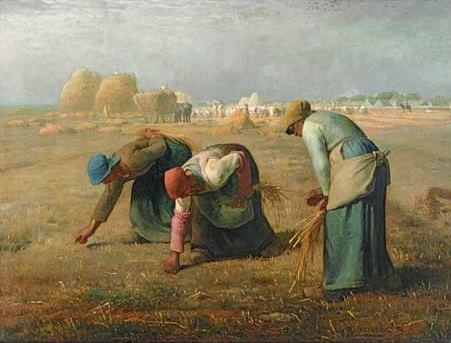
One more turn of the heap, pulling the final roots, planting the bulbs, and tucking them in for the cold dark nights to come, the last free graze in the pastures before the snows fall. Taking stock of the stock, securing the animals, the seed, the ritual cleaning, and hanging of the tools for the quiet stillness that now approaches. Creating the fix-it lists for the winter days and nights to come, for there is never nothing to do on the farm. Looking out of the window at the snow-covered landscape, disguised now as barren land, dreaming about the spring, yet to come, in front of a fire with a cup of something sweet and warm.
Butchering — This is the time of year for butchering. Meat preparation is a skill and a trade when dealing with processing livestock, poultry, or wild game into primal cuts (chuck, loin, and round), along with trimming and boning. Of course, the butchering process is not for everyone, but it is always good to understand and know how to prepare your own food. There are demonstrations for slaughtering and bleeding an animal, skinning and evisceration, splitting and aging meat. This includes fabrication: processing large sections of meat into steaks, roasts, chops and grinding the trim into ground meat. Lastly, Field Care. This teaches how to field dress an animal upon death in the wild while keeping the meat clean and avoiding overheating.
.
.
.
.
.
.
.
.
.
.
.
.
.
.
.
.
.
.
.
.
.
.
.
.
.
.
.
.
.
.
.
.
.
.
=======================================================================================
Copy-Pasteable Passages for Your Last Harvest Section
• The Fading Light and First Chill:”The sun now hangs low in the pale afternoon, slipping behind the ridge before supper is even on the stove. A sharp, metallic chill rises from the hardening earth, carrying the unmistakable scent of coming snow.”
• The Stripped Fields and Barred Doors:”Outside, the garden beds lie stripped and blackened by frost, and the pastures stand silent. The gates are latched, the heavy timber doors are barred against the north wind, and the long vigil of winter begins.”
• The Gathering Dark and Hearth Fires:”By late afternoon, twilight bleeds into a deep, heavy blue, and the woods grow thick with shadow. In this gathering dark, every windowpane becomes a beacon, and every hearth fire is tended like a sacred trust.”
.
.
.
.
.
.
.
.
.
.
.
.
.
.
.
.
.
.
.
.
.

