.
.
.
 DECEMBER
Festival & Celebrations
Winter Solstice
“sleep deep, sweet nature,
’tis your time to rest.
the earth soft now your pillow,
whilst the wind blows cold its breath.
the affection of the sun,
holds fast your roots of thirst.
dream of spring to come,
so that from your loving arms,
buds of joy may burst.”
 Advent
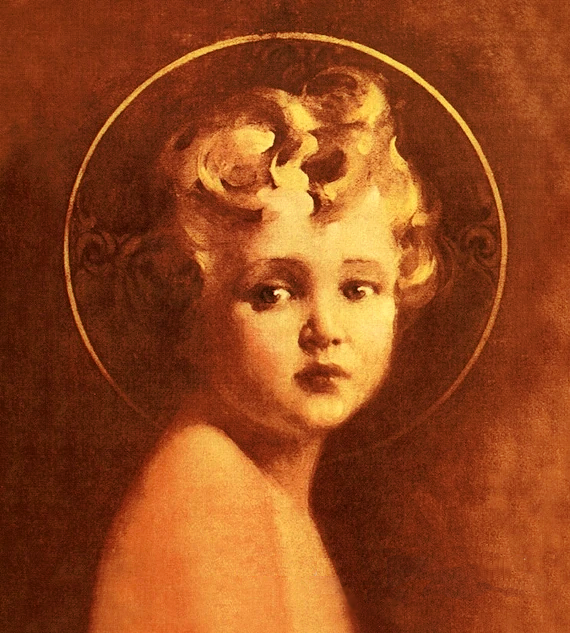
 has a long history, dating back to the early Christian and late Pagan periods. Our Advent roots begin with Martin of Tours, 300 AD, a festival we celebrate on November 11th, in preparation for the light to come. Twelve days before Martinmas was the Festival of Samhain, Allhallows, followed by the lifting of All Saints and All Souls into heaven the following days. Alone now, without the Saints and our Ancestors for protection, we fall into complete and utter darkness. They believed we would descend into the depths of the planet, consumed by the material forces of the earth. Saved by the tiniest of lights that changed the heart of a Roman soldier into a follower of the light, the light of all lights, known as The Christ. The story of Martinmas is about going into darkness and retrieving the light. A spark we now carry within us grows ever brighter throughout the 6 weeks of Advent as we prepare for the Christ Child. This light has been there for over 2000 years. Most could not understand the world without it now. Though some denominations celebrate only four weeks of Advent. In our community, we acknowledge and embrace the full 6 weeks. During this period, there are many events taking place in the community, through the clubs, the festivals, and the arts, as well as businesses.
1st Week of Advent – Following the festival of Martinmas, we start the week by wicking the candles, enough to last us until next year.
2nd & 3rd Weeks of Advent – More Candle Wicking. The making of small gifts, cards, tissue and straw stars, angels, wisps, wool, and clay animals, and nativity scenes, and knitting of hats, scarves, mittens, and sock booties. All of these gifts have someone in mind, and our tasks are complete with the light of gratitude growing in our hearts.
4th [1] Week of Advent – This is the celebration of St. Nicholas. Helpers of St. Nick bring in the Yule. Lights are placed upon the trees as the boughs gently come to rest indoors and out. The children place a shoe or a sock by the hearth or front door. In the morning, the children find fruits and nuts in their shoe or stocking, along with perhaps a small trinket, a note, or a helpful tool, to make work better, more fun, or to try something new.
December 8th, Solemnity of the Immaculate Conception – Circle of Stars. Lecture, Service, and Rosary. Lecture – History of the Masons. Between the 2nd and 5th Week of Advent we have a Festival of Lights, our Artisan Fair (2nd weekend in December). This is a fun and lovely time for our community, the local artists and our neighbors. There is food, singing, gifts, plays, crafts, and stories of the season.
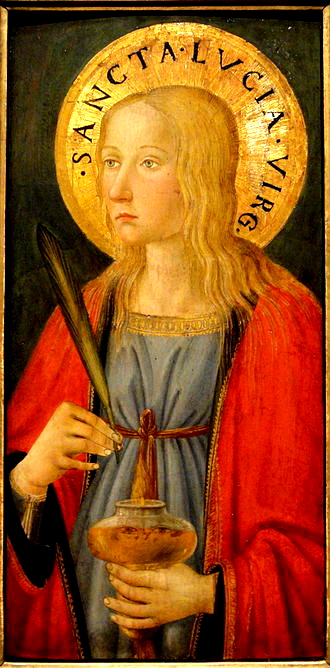
5th week of Advent [2] – This is the celebration of Santa Lucia. After each household serves the mother breakfast in bed, there is the ceremony of lighting the crown of candles on the daughters’ heads. During this time there is plenty of baking and cookie making going on and completion of other gift projects still in process.
6th week of Advent [3] – When the gifts are wrapped, the cards are made, the menu set, and all is ready, save the trimming of the tree. We move into song and stories, plays and food preparations. The longest and darkest night of the year has now arrived. We welcome this darkness with the light in our hearts as we wait to greet the eternal light of the world in quiet solitude. As nature falls into a deep, deep sleep, our minds begin to awaken.
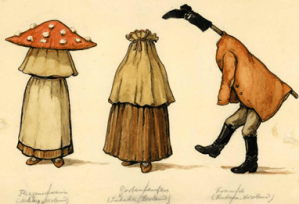
December 17th – 19th, Saturnalia: Mummering, groups travel in disguise, carrying their ugly sticks, they go from house to house, and there is a knock on the door to let them in.
 “Here we stand at your door,
As we stood the year before;
Give us whiskey, give us gin,
Open the door and let us in!”
However, before the host can serve them drinks and food she must guess who they are. They reveal themselves through fun games, dance, riddles, jokes, & songs. After the guessing games are over, food and spirits are given, and then off they go gathering into the woods caroling, and plotting their next visit.
December 21st [4], Oberufer Play I – Paradise Play
Winter Solstice – Gathering in the Grotto at the approaching time.
In the bleak midwinter, frosty wind made moanEarth stood hard as iron, water like a stoneSnow had fallen, snow on snow, snow on snowIn the bleak midwinter, long ago.
December 24th, Oberufer Play II – Shepard’s Play
January 5th, Oberufer Play III – King’s Play
 Christmas Eve and Day in our community is the most peaceful and quietest time of the year. There is a small celebration in the chapel on Christmas Eve. It is a hushed and peaceful candle light midnight mass.
Christmas Day is a time for a nice warm, cozy dinner, quiet walks in the woods, stories by the fire (Selma Lagerlöf), beautiful music, candlelight in the chapel, all denominations welcome to sing and praise. The atmosphere created is one of reverence and peace. If we are truly blessed, a beautiful light snow will fall from the heavens as our hearts are now filled with the light of the world.
Some families join with their relatives near and far during this time, but those who remain in the community visit with each other during this week. If there is snow and ice, there will be time for skiing and skating, perhaps some ice fishing. A brisk hike in the woods is good for the blood and digestion, and caroling is always welcomed and practiced. Many also take this time to make ready for the New Year’s Eve Ball. Get in Shape for the Winter Olympics. Sign up with Coach Zima at the Post Office. The community is closed, December 27th through January 6th.
Religious Calendar Services
Solstice 21st
Mass – 10 AM – Catholic
Grotto – time of passing in song to the chapel. Ásatrú
Christmas Eve
Midnight Mass – Christian Community
Christmas Day
Mass – 7AM – Catholic
Mass – 10AM – Christian Community
Mass – Noon – Lutheran
New Year’s Eve 6PM = Catholic
New Year’s Day
10 AM – Lutheran
Noon – Catholic
Epiphany
10 AM – Lutheran
Noon – Catholic
.
.
.
.
Artisan Fair –
This Artisan Fair is held at the Swan Building. The large lunchroom is transformed into a magical marketplace. There are more than 30 artisans selling their unique wares. Our vendors are local, national and worldwide, each selling handmade, unique items. The Winter Kitchen Café has a warm meal waiting, while the Café Noel offers delicious and decadent desserts, sweets and comfy warm drinks to take home or sit at one of our café tables near the stage. Strolling musician, entertainment and an exciting raffle. The fair is open to the public and is for all ages. Tickets are $10 per family or $3 per person.
There are a number of events held during these two days. A variety of musicians will be playing throughout the fair, performing holiday music and song. You will see strolling minstrels, singers and choirs, trios, duets, piano soloists, accordion, dulcimer, and guitar, as well as our chamber orchestra.
Pocket Lady will be roaming about, and we are bound to have a few magicians and a juggler or two.
Visit our Folk Arts Club Shop. This small room next to the atrium is full of everything made at the PEACH, and most items have been designed or purchased just for this fair.
There is a Christmas puppet play held in the Cabin at the bottom of the hill for tiny tots. Inside they will also find the Wee-Craft-Room set up for children who wish to make presents for their family members (there is a small fee for supplies). There will be tiny cups of warm apple cider and hot cocoa for the children, along with coffee for the adults. Puppet Play – Friday 7PM. Saturday 11AM, 1PM, 3 PM, and 5PM – Donations Accepted.
On the 2nd floor of the factory there is Winter Face Painting and the Enchanted Winter Garden, where children can meet up with Santa. Hours – Friday 6PM-8PM and Saturday 11:AM-1PM and 2PM-4PM. Donations Accepted.
The Winter Kitchen offers a hearty meal of vegetable or spicy chicken chili, cafeteria style, with fresh bread, salad and a beverage. Cost – Adults $7.00, Children $3.50.
Finally, in the Desert Café Noel, you will be seated near the stage by our Maître d’. Meanwhile, our professional and well-trained staff of 4th and 5th grade students will take your dessert order. For prices, see the menu.
Bon appétit! et Joyeux Noël!
Notes – Every year the fair has a theme. This is organized by our Festival Committee. On May Day, a group or club will sign up to design and coordinate this year’s Artisan Fair Event. The Committee will make sure the architects have the supplies needed and help guide them through the event process. These folks will make sure each vendor, performing group, and artists have what they need to create a wonderful and successful experience for all. [Note: we are a 2-gender fair participant].
.
.
.
.
.
Oberufer Christmas Plays
A lecture is given on the first Sunday in December describing all the holidays and their meaning throughout the Advent season.
On the Winter Solstice. On December 20th a lecture is given on the phenomena of the solstice along with the story and history of the Paradise Play from the Oberufer Plays.
The Oberufer Christmas Plays have been around since the late Middle Ages, 1200AD. They were collected and written down in the late 1800s by the linguist Karl Schroer. The exact origins of the plays are unknown, however, they were discovered on an island called Oberufer in the upper part of the Danube River. When Schroer collected them this area was part of the Austrian-Hungarian Empire, today it is part of Bratislava, the capital city of Slovakia. It is believed these plays have continuously been performed as part of the local traditions and culture since the year 1210. It is believed they were developed and used as a way of teaching important events in the Bible. There are three plays: The Paradise Play, The Shepherds’ Play, and The Kings’ Play.
Each play was traditionally performed on a different day during the Christmas Season. We try to keep that tradition alive, as do many other people and places around the world. Since these plays are quite old, they are a bit strange, funny, beautiful, and certainly memorable. They are translated into English and there have been a few revisions. There is both acting and singing in all three plays. Professionals seldom perform them. It is clear they are written for the common folk. So, with a little practice, anyone in the community can play almost any part.
Some folks have made a particular character in the plays their life’s calling; playing the same part year after year. Some, on the other hand, have tried to play a different character each year until they have played all the parts. Experiences vary, and having a different director every year makes each performance unique, but the beauty and the message are still the same. If you are interested in taking part in any of the plays, rehearsals start weekly on the 3rd week in September for the main characters and in November for the troupes. Below is an overview and time schedule of the performances, with a brief synopsis. There is also a lecture about the plays, their history, and their meaning an hour before the Paradise Play Performance.
 Oberufer – 1210 AD – Three Plays
December, Week 3, Play I—The Garden—The Paradise Play. This play recounts the tale of the snake and the expulsion of Adam and Eve from paradise, along with the reassurance of the promise of salvation in the future.
December, Week 4, Play II—The Nativity—The Shepherds Play. Three Shepherds, tending their flocks, talk to each other of common things, while taking notice of a strange and glorious star in the sky. They follow the star to a stable and encounter a beautiful sight. (After the play, stay for refreshments and the singing of Christmas Carols with the Shepherds).
December, Week 5, Play III—The Epiphany—The Kings Play. Three wise men from far away places travel together, following a star, as they make their way to the birthplace of the New King. They each recount what set them on this trip and carry a message they received to warn the New King of a murderous plot.
.
.
.
.
.
.
Brief History of Christianity in Europe and the Americas
From whence we came…
The Middle Ages defined Paganism as anything outside the three major Semitic Religions of Judaism, Islam, and Christianity. Moreover, both Christianity and Islam believe it is their duty to convert all people to their beliefs, or within each branch, their particular doctrine. There are, of course, Pagan Christians who still believe that the main theme of Christianity was the evolution of the Gods already exists. Of course, there are many debates and arguments concerning the topic of religion. However, there’s no denying the influence that both Christianity and Islam have had on Europe and Western Civilization.
Inherited from the Middle East and Africa, Christianity began its practice in 1AD. Its early growth and reach advanced mainly throughout European lands via the Letters of Paul, which later became part of the thirteen books in the New Testament or the Bible. Christianity in Europe was formally declared a religion during the 4th century by the Roman Emperor Constantine (306–337AD).
Birthdays in the ancient world were not celebrated as we do today. In fact, the death day of a particular hero or leader was remembered instead. Look carefully at the days at which date those in the ancient world are remembered. This is also true for the Saints. They are remembered, and their celebration falls upon the day they died, usually as sacrifice or in service to humanity. This did not hold true for the common people. Births were not at all celebrated, nor deaths, though deaths of others were remembered more by close family members, and how they often marked their own biography. However, in 354, Christianity began to celebrate the birth of the Christ Child.
Also, during this time there were several branches of Christianity. The two most prevalent were Arianism (The Son is distinct from the Father) and Homoiousia (God the Son is the same essence as God the Father). Both axioms during the age of Constantine held hope for his blessing. This was during the Ecumenical Council of Nicaea (325AD). However, in the end, Constantine sided with the Homoiousian doctrine. More about this is discussed during the month of January, through the month of Great Mysteries.
Throughout the centuries, the doctrine of Christianity developed and spread, having a direct and profound influence on Western Civilization, especially in the arts, the revitalization of ancient Greek philosophy, and later in the sciences. The history of the Catholic Church is vast, yet the Church was considered whole and united for only a short period of time. What is known as the Great Schism (1054AD), a division between Byzantium and the Holy Roman Catholic Church, dominated the religion for all time. There are several differences in practice, though most are slight, and the suffering of the risen Christ is still the center of both branches. In 1517AD another division occurred inside the Holy Roman Catholic Church, called, The Reformation. It was also the beginning of the Protestant Christian Church. Regardless of all the branches that have broken off and developed in its 2000-year history, the uniting force in Christianity is and will always be The Christ.
From the ancient times of our Pagan ancestors, through the development of the Church of Christ, during the longest and darkest nights of the year, a light of hope shines bright. It begins in mid-November, at a time our Pagan Ancestors called Blót, and that sacrifice has transformed into a spark of light Christians celebrate as Martianmas. Each human being carries this spark within as it grows ever brighter until the birth of the Christ Child, when the light of the world is celebrated and born again.
.
.
.
.
.
History — December
Cultural & Historical Foundations Outline – The Middle Ages– (1066 – 1209 AD)
Following the Norman Conquest of England in 1066 and the Byzantine defeat at Manzikert in 1071, Europe and Christendom entered a decisive new era. As winter settles over the calendar and we celebrate St. Nicholas, St. Lucia, the Winter Solstice, Christmas, and the Oberufer Plays, our historical focus narrows to the clash of East and West—from Pope Urban II’s call at Clermont in 1095 through the First Four Crusades, the rise of the Plantagenets, and the Albigensian Crusade of 1209.
SECTION I — THE INVESTITURE CONTROVERSY & CALL TO JERUSALEM (1066 – 1099 AD)
• Battle of Manzikert — 1071 AD — Seljuk Turks defeat the Byzantine army in Anatolia, opening the road for Pope Urban II’s call for Western aid.
• Matilda of Tuscany — c. 1046–1115 AD — Margravine of Tuscany and military ally of Pope Gregory VII; hosted the historic penance of Emperor Henry IV at Canossa (1077).
• Pope Urban II — c. 1035–1099 AD — Preached the First Crusade at the Council of Clermont (1095): “Deus vult!” (“God wills it!”).
• The First Crusade — 1096–1099 AD — Western knights march east, capturing Antioch (1098) and storming Jerusalem (1099) to establish the Crusader States.
• Omar Khayyam — 1048–1131 AD — Persian polymath, astronomer, and poet of the Seljuk era; author of the Rubáiyát and reformer of the solar calendar.
SECTION II — CHIVALRY, HERALDRY & THE SECOND CRUSADE (1100 – 1154 AD)
• The Knights Templar — Founded c. 1119 AD — Monastic military order established to protect pilgrims in the Holy Land (“Non nobis Domine, sed nomini tuo da gloriam”).
• The Rise of Formal Heraldry — c. 1120–1150 AD — Hereditary coats of arms develop across Europe from battlefield identification and seal authentication.
• The Second Crusade — 1147–1150 AD — Preached by Eugene III and led by Louis VII and Conrad III; captured Lisbon (1147) but collapsed in Anatolia.
• The Mabinogion — 12th–13th Centuries — Middle Welsh prose tales preserving ancient Celtic mythology and early Arthurian tradition.
SECTION III — EMPIRES, KINGS & THE THIRD CRUSADE (1154 – 1199 AD)
Henry II of England — 1133–1189 AD — Founder of the Plantagenet/Angevin Empire stretching from Scotland to the Pyrenees.
Frederick I Barbarossa — c. 1122–1190 AD — Holy Roman Emperor who drowned crossing the Saleph River on the Third Crusade.
Saladin (Salah ad-Din) — 1137–1193 AD — Sultan of Egypt and Syria who recaptured Jerusalem in 1187. (Mode 1 — Full Card Next Year)
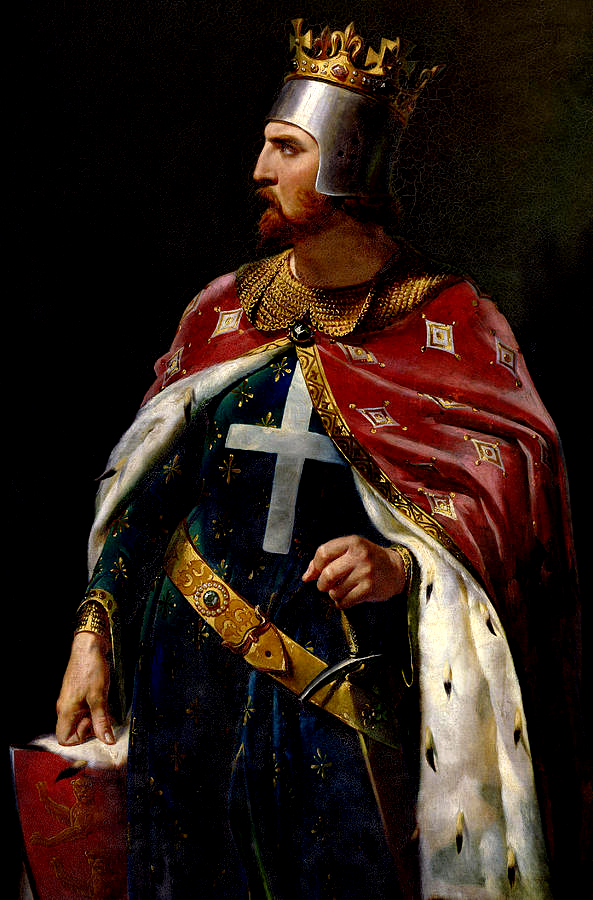
Richard I “The Lionheart” — 1157–1199 AD — English king and Crusader commander who negotiated the Treaty of Jaffa (1192).
SECTION IV — THE FOURTH CRUSADE & THE CATHARS (1200 – 1209 AD)
The Fourth Crusade — 1202–1204 AD — Diverted to sack Christian Constantinople (1204), deepening the East–West Schism.
King John Loses Normandy — 1204 AD — Philip II strips John of continental fiefs, accelerating the road to Magna Carta.
The Albigensian Crusade & St. Dominic — 1209 AD — Innocent III targets Catharism in Languedoc; marked by the notorious directive at Béziers: “Caedite eos. Novit enim Dominus qui sunt eius.”
Lecture Series
DECEMBER HISTORY LECTURE SERIES
- Week 1: Crusades Overview (1095–1204) — Friday, 7PM–10PM.
- Week 2: Biography: Richard the Lionheart — Friday, 7PM–10PM.
- Week 3: Seasonal Focus: The Sacred Flame by Selma Lagerlöf & Oberufer tradition — Friday, 7PM–10PM.
- Week 4: Festival Break (St. Nicholas, St. Lucia, Solstice, Christmas, New Year). See the December Festivals Page.
THE CRUSADES & MEDIEVAL CULTURE (1095–1204 AD)
Pope Urban II at Clermont (1095): Proclaimed the First Crusade with the rallying cry “Deus vult!”.
- Crusade Campaigns (1st–4th): Traces the establishment of Outremer (1099), the setbacks of 1147, the Kings’ Crusade of 1189–1192, and the tragic diversion of 1204.
- Culture & Heresy: Highlights Templar monasticism, emerging heraldic systems, Welsh Arthurian roots in The Mabinogion, and the 1209 outbreak of the Albigensian Crusade.
.
.
Winter Solstice
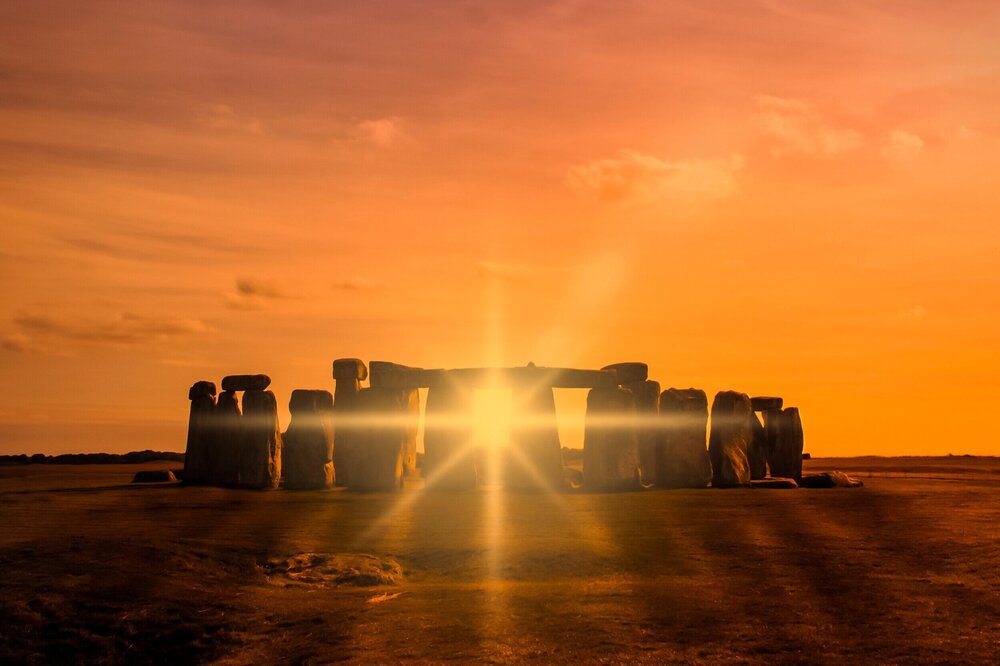
The Meaning of the Solstice— Without Light there is no life, this is the reality of Nature. In every culture, all Spirits of love were also the Spirits of light. Homer tells us that these ancient and esoteric beliefs date back long before his birth. There isn’t a culture or civilization on earth that did not at one time worship the Sun. Within the Sun is the music of the spears. It is the knowledge of everything. Those who worshiped the moon celebrate a mere material reflection of the Sun. The Moon is, but, a reflection of the Sun. The Sun, and in particular the Winter Solstice, is the renewal and birth of the Sun. The Sun is life, with the promise and hope to come. Some still refer to the Winter Solstice as the birthday of the Sun. The Sun on the horizon, to the naked eye, appears to be completely at rest for 12 days. Then we can see it begin to move once again on the 1st of January. This, of course, is why, even today, the New Year begins as it has since the ancients on that day. The ancients believed through their stones and pyramids that they could capture the sacred and divine moment that life returned to the world.
.
.
Christianity is one example of Sun Worship. Every known civilization had its connection to the Sun God. It has also represented many stages of human spiritual development. In our time, Christianity represents the triumph and renewal of the Sun over the worship of the Moon. A restoration, reincarnation, and reunification of man’s connection to the world of spirits and spiritual beings. The Sun is The Christ. Christians believe that Christ is the light, is the life, and is eternal, and therefore all life is sacred. The body is filled with this light. It is born out of light, and this life then becomes a sacred temple to the light and spirit of the Sun.
From this recognition, reverence springs forth, a deep devotion to preserve the life given and to serve, not out of obligation, but in gratitude, and sowing seeds of gratitude is the food for angels.
The spiritual evolution of the Sun is not new or isolated to Western Civilization. Historically, we can trace the Sun through many civilizations of the past, India, Persia, Mesopotamia, and Egypt, until it lands squarely on the doorsteps of the Greeks as the God Apollo. Each culture had its recognition of the Sun and the light. India denied the dark. Persia had the light fighting against the dark. Mesopotamia tried to organize the light into laws, while Egypt had the light pass through the dark. It was in the West where the eternal light was taken inwardly and transformed, through the Godhead, into love and compassion. This is the essence of the Devine Sacred Light.
However, with this evolution and absorption, we slowly lost the outward sight of the Gods, and for some, the awareness of the spiritual world even existing. This was known as the Twilight of the Gods. What was once outside ourselves was absorbed inwardly, and as this light moves and flows endlessly, making its home in the blood, the heart then became the center of this great living force we call love.
This transformation also emphasized individuality, the ability to think freely, and with that, a cause and choice for compassion. Through this freedom, we each now have a direct responsibility to combat or transform the darkness and the challenge to keep faith with Providence. We then learn the lessons of life well or badly, either way, we learn we must. By our own deeds, we will either embrace the light or feel the power of its flame in order to cleanse our deeds. The light is for our growth and the flame of our purification. This is the nature of Nature. The whole of our existence is an initiation ritual, and the grand master of the mysteries is the Sun, the hierophant who controls all the rites, symbols, rules, and laws. This is the mystery of the sovereign son and the mother of the gods.
A Lecture will be offered on the 20th at 7PM. Topic: The Meaning of the Solstice.
The festival will be celebrated on the 21st of December.
.
.
.
.
.
.
.
.Nature’s Sleep – Winter Solstice
Nature Sleeps, Man Awakens.
By the end of November, the wind has taken almost all the brightly colored leaves and scattered them like a blanket to cover the earth. We, on the other hand, rake them into great piles and mounds. Children and pets dive into the piles and believe they are the mighty wind throwing the leaves into the air, only to rake them all up again. We then abscond with the fibers of the blanket and add them to the layers of winter mulch or burn them for their precious black ash. The smell of the burning leaves in the cold air is like the incense and smoke in the churches and temples rising to the heavens as a sacrifice.
Nature is essential at the PEACH, and we not only feel the cold and darkness at this time of year, but we as creatures on the earth are more awake and aware. Our thinking processes are growing higher and sharper. Meanwhile, nature falls into a deep, deep sleep, dreaming about summers past and the next one to come. During summer, Nature is wide awake, expressing all the energy within, holding nothing back. We humans slip into daydreaming, our minds wandering in the warmth of the sun as we gently fall asleep under the cool shade of the trees.
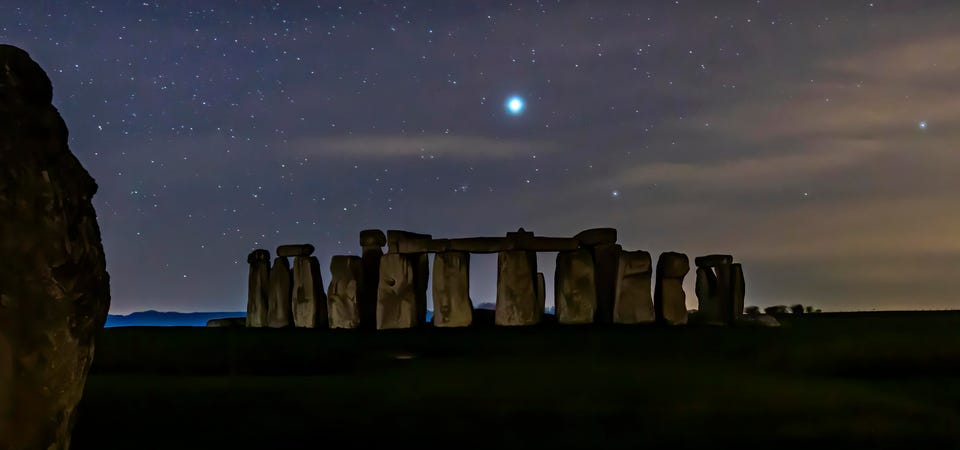
Though our minds are sharp and wide away, our sleep is also very deep. During the longest and darkest nights of the year, something magical happens. The earth appears as if it has paused, standing still, no longer moving on the horizon. From the Solstice through the New Year, the earth and the sun appear to have stopped, but on the 1st of January, it all begins to move again. On the coldest days, the trees dream of Spring, as we, in turn, listen and make preparations, waiting and watching for its arrival.
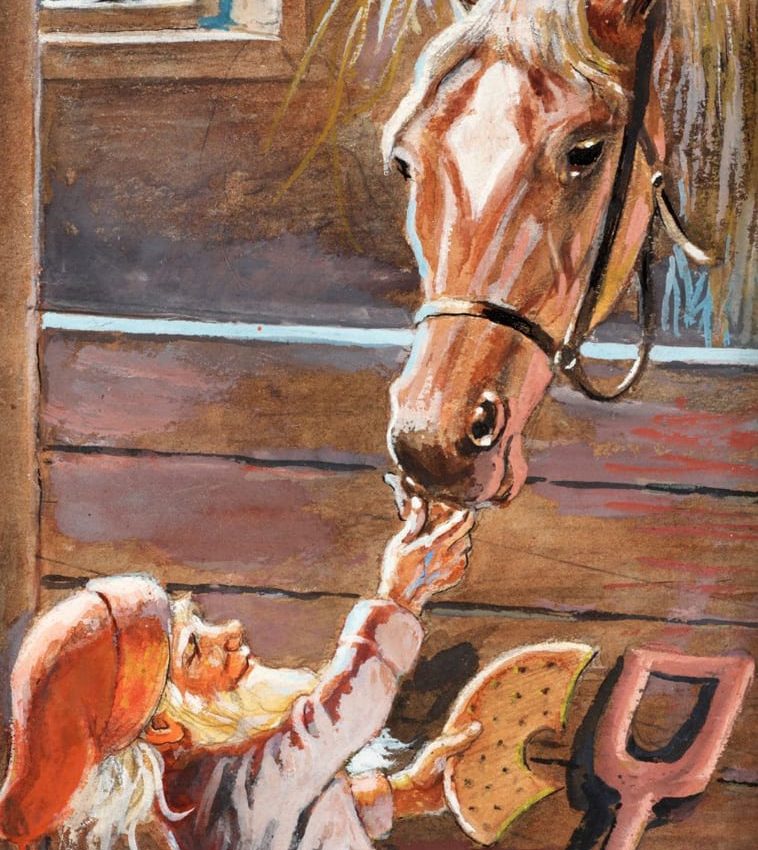 The Pagan groups celebrate the Solstice at the hour of its crossing. Some, however, rise to watch the sun welcomes the winter season. Afterward, several people spend the morning baking moon, sun, and star cookies in the kitchen. Tree boughs are brought into the cafeteria for a day of decorating wreaths, stringing up mistletoe, and creating other fun and delightful nature-made crafts. In the courtyard, the men raise the Christmas tree and drape the twinkling white lights all around the boughs. When the day warms up, adults and children will head to the patio and mix the suet and bird seed. They will stuff the mixture in pine cones and tie them up with a bit of wool string. The children will then hang the cones on the branches of the trees all around the property. When this is complete, they will gather in the forest and call a Tomten. This will ensure the birds and creatures in our woods are well looked after for the winter to come. Our chef, along with several members, will prepare large pots with a tasty beef and vegetable stew. They make everything in the pots with meat, roots, leaves, herbs, and spices from our gardens and the local farms. These pots will simmer throughout the day, while they will bake loaves of fresh seed bread in the ovens throughout the day. There’s plenty of hot cocoa, tea, coffee, and lemon orange water, always at the ready in the cafeteria.
When the hour is about to arrive, many little bells are rung, summoning the spirits. People will follow the bells to a gathering in the grotto. A circle will form around the Yule Log. When all is still and quiet, and the hour has come, the ancient words will be spoken.
O Oriens, splendor lucis aeternae, et sol justitiae:
veni, et illumina sedentes in tenebris, et umbra mortis.
Eala earendel, engla beorhtast,
ofer middangeard monnum sended,
ond soðfæsta sunnan leoma,
torht ofer tunglas, þu tida gehwane
of sylfum þe symle inlihtes.
Swa þu, god of gode gearo acenned,
sunu soþan fæder, swegles in wuldre
butan anginne æfre wære,
swa þec nu for þearfum þin agen geweorc
bideð þurh byldo, þæt þu þa beorhtan us
sunnan onsende, ond þe sylf cyme
þæt ðu inleohte þa þe longe ær,
þrosme beþeahte ond in þeostrum her,
sæton sinneahtes; synnum bifealdne
deorc deaþes sceadu dreogan sceoldan.
Nu we hyhtfulle hælo gelyfað
þurh þæt word godes weorodum brungen,
þe on frymðe wæs fæder ælmihtigum
efenece mid god, ond nu eft gewearð
flæsc firena leas, þæt seo fæmne gebær
geomrum to geoce. God wæs mid us
gesewen butan synnum; somod eardedon
mihtig meotudes bearn ond se monnes sunu
geþwære on þeode. We þæs þonc magon
secgan sigedryhtne symle bi gewyrhtum,
þæs þe he hine sylfne us sendan wolde.
The women begin to sing,
Sculati Gazde, Nu Dormiti
tonight is dark, the longest night
blessed by stars, we laud the light
spirits and angels look down on high
no longer there for us to see
a sacrifice is never free
this is the fast and crucial key
but with us, they will always be
the wind, the earth and in the seas.
rock and tree, bird, and bee
the fire above, the eternal light
the spear of strength, the sword of might
burn deep inside, their blaze is bright
before the ancient times did give
before the moon and haze, we lived
the ancient sun was what they gave
the ancient sun was what we saved
These words welcome the Solstice with song and verse. There is a moment of silence, then one of the male adults, or a young man, picks up the Yule Log. He starts to sing, Winter Dreams. Soon, the others join in.
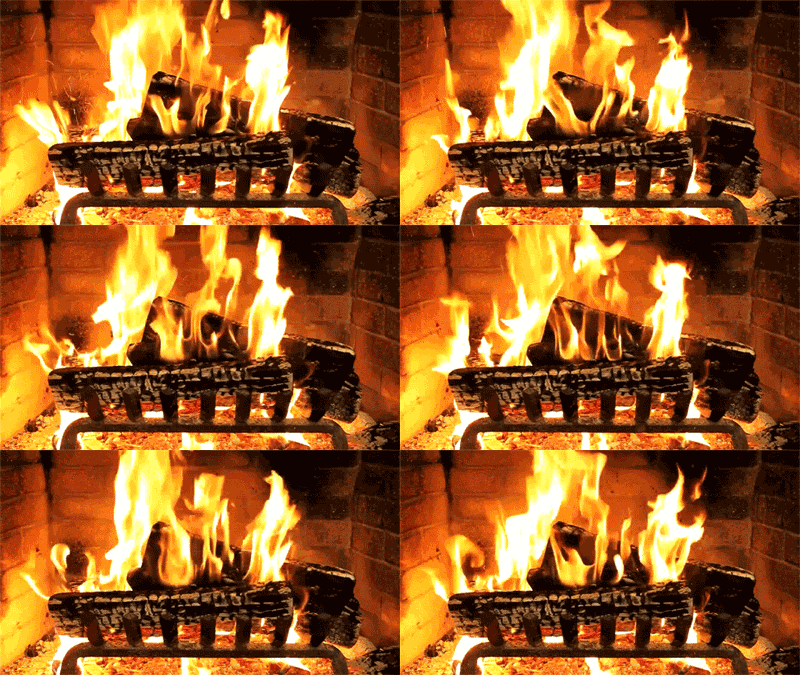
Winter Dream
Whose woods these are, I think I know.
His house is in the village, though;
He will not see me stopping here
To watch his woods fill up with snow.
My little horse must think it queer
To stop without a farmhouse near
Between the woods and frozen lake
The darkest evening of the year.
He gives his harness bells a shake
To ask if there is some mistake.
The only other sound’s the sweep
Of easy wind and downy flake.
The woods are lovely, dark, and deep,
But I have promises to keep,
And miles to go before I sleep,
And miles to go before I sleep.
As they take the long way back. Everyone follows him through the wood, ringing the little bells, picking up logs and branches to bring back to the fireplace. There the man places the Yule Log in the fireplace. He will light the fire, stoke it, and keep it going for 12 days until the sun begins to move in the sky again.
Depending on what time the Solstice arrives, everyone heads back to finish their work. If it is after 4PM, the table will be set for dinner, while others gather in the theatre for music, poetry and plays, performed by the PEACH and local community members.
At 6PM, we invite all to grab a bowl of delicious stew, sit and break bread with family, friends, and neighbors. Afterward, all are welcome to gather in the courtyard and watch the lighting of the tree. Carol of the Bells and The Bleak Midwinter are sung along with a full round of Good King Wenceslas. Some groups will go off into the night to sing carols at their neighbor’s doors, while others will stay to help clean. Little ones will make their way home, calling on the Tomten to keep a watchful eye all along the way. The last thing to do is setting out the bowl of porridge (don’t forget the butter). It’s been quite a day, time for a long winter’s nap.
.
.
.
.
.
.
.
.
. .
The Christmas Tree
What is the Christmas tree? What does it represent? To Pagans it is the Tree of Life, Yggdrasil. To Christians it represents the tree of Forbidden Knowledge. Both stir a longing inside the human being. To the Pagan Knowledge springs from the well. To the Christian Life springs from the heavens. Both draw the human spirit upwards reconnecting the epoch before this life, a remembering of our immortality before the fall, before the Twilight of the Gods. The tree itself seems to have a magical quality to it, regardless of one’s disposition or belief system. It holds a pre-ancient quality, a wisdom and reverence that lives deep within the soul of every human being, it still sings and dreams.
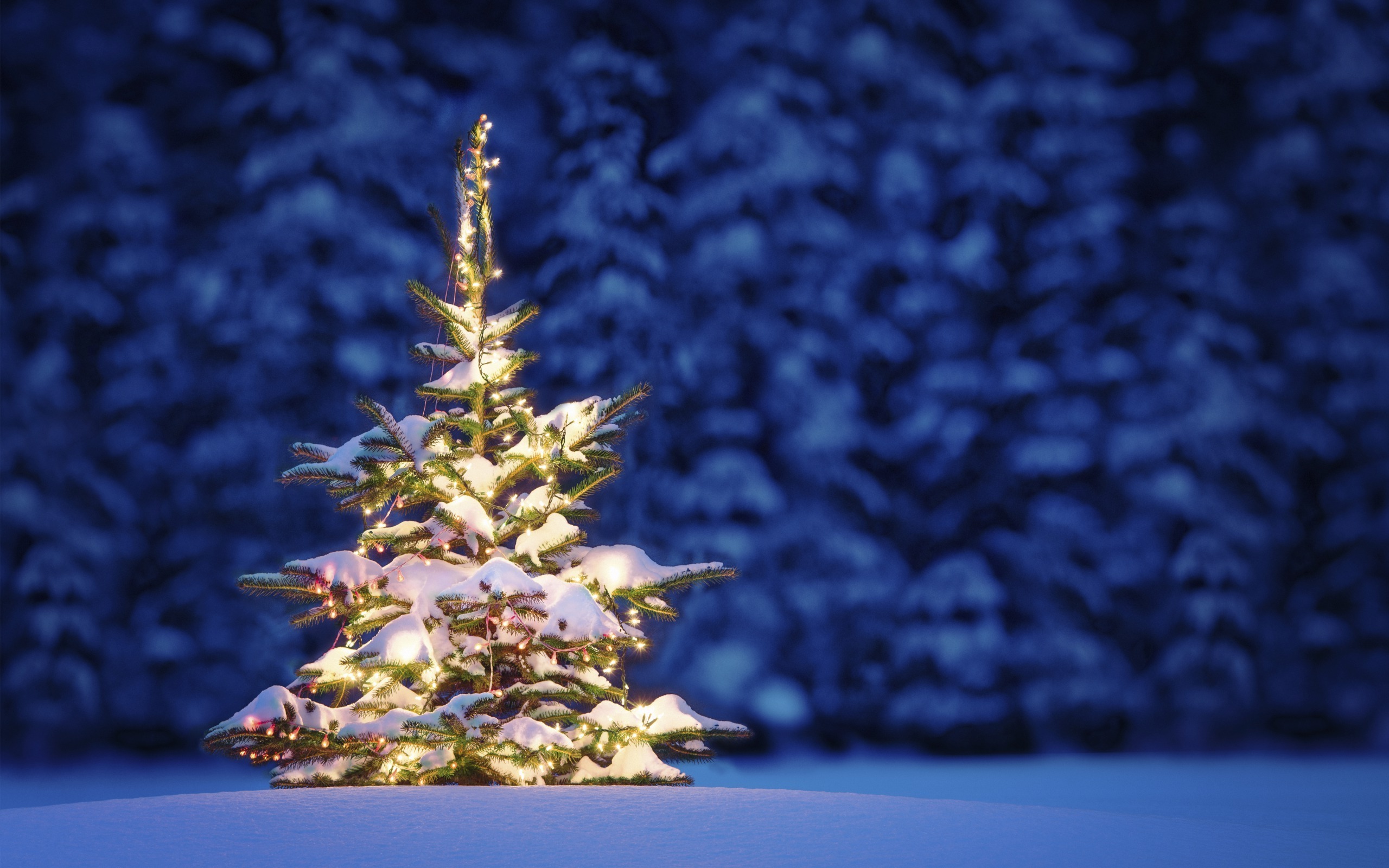
When did the decoration of the tree gain in popularity in our modern culture? It began as an old custom of gathering twigs, bows, and vines into the house and dousing them in water. Being brought into the warm house, given plenty of water or moisture from the kitchen will make the buds swell and begin to leaf or spring to life. This creates a warm environment and is a reminder that despite the cold and darkness, life is stirring, life will overcome death. It is hard to say the exact reasons for this custom, and there are many, and how far back this custom goes is still unknown. It does seem to be prominent in many European countries. But how is it that someone came up with the idea of bringing in an entire tree? It started during the Late Medieval Period, roughly 1300, with the German Christian Mystics, who saw the world and nature as part of God’s creation. This of course included the historical esoteric nature of the tree. Of course, this did not go over well with the higher-ups in the church who said, only church doctrine mattered and was the only thing that should be regarded, taught and preached. They deemed these Christians Mystic Priests as heretics. We get a bit of a glimpse of what was to come by 1517 and a priest named Luther. Regardless, this idea of bringing a tree indoors during the sun’s nadir is an outward act of what we see in nature, decorating the tree with candles to illuminate, stir, and create an inner experience. The power behind this idea began to take hold across Germany in many small villages, by the early 1800s it had spread all over Europe and now it is a world phenomenon. So, what do you experience when you bring indoors a freshly cut tree and fill it with lights and decoration? The Mystics believed they were tapping into something ancient and sacred. What does it mean to you?
Shining trees, radiant trees
All around exuding peace.
Dancing in their gleaming brightness
Spark in every heart a lightness—
Such a joyous celebration!
And such dazzling decoration;
We look up and down amazed,
Our adoring hearts they all are raise
But, O Prince, if e’er you meet
An evening blessing you so sweet,
Lights and flames and purest ether
Gleaming, gathering all together,
All that you have e’er achieved,
All those present, who in you believe
Gifted with exalted sight,
May you feel supreme delight.
-Goethe
On the Pagan and Christian symbols regarding this tree, along with its particular trimmings, the lives of Adam and Odin are covered as part of the Oberufer Christmas Plays lectures.
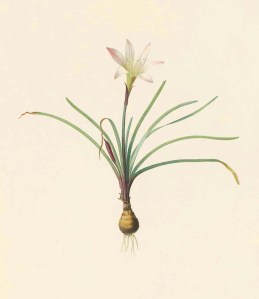 Child’s Tale – Tree That Dreamt A Flower
On a bare mountainside where no plants had yet grown, a star-archer’s arrow falls to earth. Its feathers become roots and its shaft grows into the first fir tree.
As the tree looks up at the stars it longs for the mountain’s stones, mosses, and small creatures to share in the wonder of the stars. The fir tree dreams a spell that draws a star into its sap, blooming into the first flower on earth.
.
.
.
.
.
.
Happy New Year!
Ring in the New Year with a sparkling night of evening gowns, tuxedos, champagne, dinner, dancing, and a raffle. The Swan Factory Ball Room doors open at 6PM for photographs. Dinner is served at 7PM, and the opening dance begins with our dance instructors, Manx and Heidi Baryshnikov, at 8PM.
New Year’s Eve Gala Celebration, December 31, in the Swan Grand Ballroom. Dress in your finest and step back in time to the ambiance of the Straussian Waltzes and the joy of Big Band Music. Reservations include a gourmet buffet dinner, with a carving station and dessert, dancing, and a champagne split (sparkling juice cocktails under 18). A raffle from each of our sponsors (don’t lose your ticket!), party favors and the classic midnight balloon and confetti countdown drop. A professional photographer will be available on the grand staircase overlooking the ballroom.
Musical entertainment. From 8 PM until 9:30 PM, The Sun Valley Chamber Orchestra will open the evening playing our favorite and familiar Waltzes and Polkas. At 10PM Big Band, Track 29, will brighten the occasion with great Big Band hits and Contemporary Music. At 11:30 the raffle winners will be chosen followed by both the Big Band and Orchestra joining together to usher us into the New Year and bid adieu to Auld Lang Syne, old long since, old times.
Doors open at 6:00pm. Dinner – 7 PM, Dancing – 8 PM, Raffle – 11:30 PM, New Year’s Celebration – 12 AM.
Tickets are $200.00 each, including music, dancing, dinner, champagne, and a raffle.
Open to the public. Ages 16 and older are welcomed.
Raffle: One-year certificate for riding lessons. Full, 100% wool fleece throw. Certificate: Cashmere hat, mittens, scarf. Certificate One Year Membership in the Grain.
Sponsored by:
Cassady Jones, Equestrian Club and Ranch
Lafayette Rambouillet Sheep Farm
Friendship Cashmere Goat Farm
Vier Winde, Organic Grain Collective
.
.
.

.
.
.
DECEMBER SCHEDULE: Decem ~ Advent, Solstice & The Light of the World
December is a ceremonial month marked by traditions such as candles, lanterns, the Oberufer plays, Santa Lucia, the Solstice gathering, Midnight Mass, and the New Year’s Eve Waltz. The Christmas Play serves as the centerpiece of the month’s observances.
I. Festivals & Celebrations Participants check in with club leaders at 4PM the day before each event (Potluck Dinner at 6PM). Winter Break closure: Dec 20 – Jan 6.
- Advent Artisan Fair — 1nd Weekend (Fri 4PM–9PM, Sat 10AM–5PM) at the Swan Building & Gym. Features over 30 vendors, folk/fine arts, strolling musicians, puppet plays, Santa visits, chili, and desserts. Admission: $3/person or $10/family.
- Nicholas Day — Dec 6. Treats and surprises in the Chapel and common areas.
- Immaculate Conception & Circle of Stars — Dec 8, 6:30PM–9PM. Service, Rosary, and Masonic History lecture in the Chapel & Lecture Hall I.
- Santa Lucia — Dec 13 (Baking Day Dec 12, 1PM–5PM). Morning home ceremony and a 7PM Chapel procession of light with saffron buns.
- Saturnalia & Mummering — Dec 17–19. Artist displays followed by evening house-to-house mummering, riddles, games, and caroling.
- Oberufer Christmas Plays (1210 AD) — Theatre, Klint Art Building:
Play I (The Paradise Play): Dec 21 (with pre-show lecture).
Play II (The Shepherds’ Play): Dec 24 (carols and refreshments follow).
Play III (The Kings’ Play): Jan 5 (Epiphany). - Hibernal Solstice — Gathering in the Woods — Dec 21 (Solstice Lecture Dec 20, 7PM). Features 12 bell rings, cookie baking, wreath making, Tomten calling, Grotto Yule Log ceremony, 6PM community stew dinner, and tree lighting.
- Christmas Eve Midnight Mass — Dec 24, 11:45PM. Candlelight service in the Chapel led by Father Timothy Meadows.
- Christmas Day — Dec 25. Morning chapel services, 2PM community potluck, fireside stories (Selma Lagerlöf), and winter walks.
- Bird House Building — Dec 27 Morning. Woodworking Studio craft session.
- New Year’s Eve Gala Waltz — Dec 31, 6PM–1AM. Swan Grand Ballroom. Features the Sun Valley Chamber Orchestra and Big Band Track 29. Ages 16+, $200/ticket.
.
.
II. Lecture Series
DECEMBER HISTORY LECTURE SERIES
- Week 1: Crusades Overview (1095–1204) — Friday, 7PM–10PM.
- Week 2: Biography: Richard the Lionheart — Friday, 7PM–10PM.
- Week 3: Seasonal Focus: The Sacred Flame by Selma Lagerlöf & Oberufer tradition — Friday, 7PM–10PM.
- Week 4: Festival Break (St. Nicholas, St. Lucia, Solstice, Christmas, New Year). See the December Festivals Page.
THE CRUSADES & MEDIEVAL CULTURE (1095–1204 AD)
Pope Urban II at Clermont (1095): Proclaimed the First Crusade with the rallying cry “Deus vult!”.
-
- Crusade Campaigns (1st–4th): Traces the establishment of Outremer (1099), the setbacks of 1147, the Kings’ Crusade of 1189–1192, and the tragic diversion of 1204.
- Culture & Heresy: Highlights Templar monasticism, emerging heraldic systems, Welsh Arthurian roots in The Mabinogion, and the 1209 outbreak of the Albigensian Crusade.
THE CHRISTMAS & PAGAN SEASON LECTURES
- St. Nicholas — Sun, Dec 6: Traces the 4th-century Bishop of Myra and the traditions of secret generosity, exploring how winter gift-giving, hearthside stockings, and the helpers of St. Nick bring light and warmth into the deepening Advent season. Lecture on the 4th of December — 7PM. The festival is on the 6th of December at dawn.
- Circle of Stars — This feast is connected to the December 8th Solemnity of the Immaculate Conception. This lecture examines celestial geometry, the crown of twelve stars, and the symbolic heritage linking sacred astronomy with Masonic history and biblical prophecy and the Divine Sophia. The lecture is on December 8th at 7 PM.
- Santa Lucia — Traces the Sicilian martyr of light (lux) and her December 13th festival, examining how the crown of candles, white robes, and saffron buns bridge ancient winter solstice customs with Christian devotion. Lecture is on December 11th at 7 PM. The festival is on the 13th of December in the morning, before Mother wakes up.
- Winter Solstice — 21st of December 2:29 PM. Investigates the astronomical nadir and ancient “birthday of the Sun,” exploring how civilizations from Persia and Egypt to the Norse world honored the twelve still days when nature sleeps and the inner light awakens. The lecture is on the 20th of December at 7 PM. The festival gathering begins at 1 PM in the Chapel.
- Oberufer Plays — Covers the medieval Danube folk dramas preserved by Karl Schröer (dating to 1210 AD). This lecture will tell the history and story of the spiritual and comic symbolism of The Paradise Play, The Shepherds’ Play, and The Kings’ Play. There is a lecture before each performance at 6 PM in the theater. See the poster and the December Festival page for more details.
- Christmas Eve — After the The Shepherds’ Play there is a short lecture on the Festival of Christmas. There is also a midnight mass.
- New Year’s Eve — On December 30th at 6 PM, there is a lecture on why January 1st is the beginning of the New Year and its meaning.
.
.
.
III. Clubs & Activities Autumn schedules run through Dec 20; all clubs close Dec 20 – Jan 6 unless noted.
- Fine Arts — Dance & Movement (Studio 24/7, ballet, ballroom, eurythmy), Film & Photography (Klint Art Building screenings and studio access), Music (Oberufer choir/band rehearsals, chamber ensembles), Painting (Tue/Thu), and Oberufer Theatre Club (final rehearsals).
- Folk Arts — Bakers & Culinary Arts (Advent cookies, regional dinners), Book Binding & Cordwaining (Tue–Sat classes), Folk Arts & Sewing (puppets, costumes), Nature Collecting (Fri–Sun), and Stained Glass (Swan Building).
- Skilled Arts — Blacksmithing, PEACH Farm & Garden Club (daily animal chores continue on a reduced schedule), Glassblowing, Masonry & Mosaic, Pottery & Ceramics, Printshop (newsletter due Dec 13), and Woodworking.
- Educational — Adult and children’s Book Clubs (Christ Legends radio readings), Business Club, Father & Sons, Goethean Science (independent study), Home Life Club, Lecture Series (Art History, Western Civ, Philosophy, Religion), Mom & Tots, and Writer’s Club (The Tomten project).
.
.
IV. Sports & Movement In session through Dec 20 (paused 2nd weekend during the Artisan Fair).
- Daily Groups — Sun Walkers (pre-sunrise at Chapel Door), Sunset Watchers (Track Stands), and Morning Yoga (Mon–Fri 8AM–9AM, Dance Studio).
- At-Will & Weekly Classes — Hiking, biking, snowshoeing, cross-country skiing, indoor volleyball (week 1), fencing, and Spatial Dynamics.
- Spiritual Services Clergy: Magnus Hjaltason, Rev. Thomas Graham, Fr. Timothy Meadows, Rev. Rosemary Bergmann.
- Regular & Holiday Services — Sunday services at 7AM, 10AM, and Noon; specific Catholic, Lutheran, and Christian Community services mark the Solstice, Christmas Eve, Christmas Day, New Year’s, and Epiphany (Jan 6).
.
.
.
V. Administrative & Businesses Office hours Mon–Fri 9AM–5PM through Dec 20; all offices and most campus businesses close Dec 20 – Jan 6.
- Administration — President’s Office, Committee meetings (Guardians, Community Events, Admin Weekly, Elder’s Club, Festival Calendar), and Community Safety reporting.
- Campus Businesses — Bicycle & Ski Co-Op, Café Four Seasons, Four Winds Co-Op & Bakery, Daughters of Asclepius
- Apothecary & Clinic, Tè Chay Tea Room, Charlotte Gallery, Fensalir Thrift Shoppe, Swan Glass Factory, and the Post Office.
Community Events & Addendums - Public Dinners — Joseph Friday Chicken Chili Dinners and Friday Elderly Holiday Dinners (Factory Hall).
- Resources — Greek/Celtic audio meet-ups and ongoing community planning proposals.
.
End Note — December balances ceremony and stillness before the campus enters a quiet two-week Winter Break rest.
- Artisan Fair dates: Standardized to the 1st weekend in December.
- Oberufer Play dates: Aligned with the main calendar (Dec 21, Dec 24, and Jan 5).
- Day abbreviations: Expanded M-W-R-F-S-D into standard readable days (Mon–Sun).
- Merged duplicate sections: Combined supplementary draft notes into a single master schedule.
.
.
.
January Preview
New Year’s Day – Bird House Building Woodwork Shop, Ski Shop open, and Te Chey, hot cocoa.
Skiing and Ice Skating, Birdhouse Building.
Get in shape for the Winter Olympics (dress warm).
Alt date for Performance – January 5th, Oberufer Play III – Kings Play – Epiphany.
.
.
.
.
Living Pan-European and American Cultural and Heritage Community Center
.EMAIL: peachcommunity yahoo.com
.
.
.
.
.
.
.
.
.
.
.
.
.
quicklink

