This is the Beginning of a New Title Page Covering Western History
FYI — All the History here is Under Construction  , save History September (that’s about done). There was so much history that it is now its own book, which is currently a mess. However, there is a spine for each month and gobs of notes in search of order. Add some if you wish. Which will be forthcoming once part I is complete.
At this time, PART I is: The Arts, The Clubs, The Merchantry, and lil peach book. They are all complete (woohoo!) The Festivals are in process. We are on October, the Druids, Celts, & Arthur — July, August & September are complete. Once the Festival section is organized, the book will be printed and the Vicus and History will be in constant process until they are completed.
As the History pages are textually complete, they will fall under this header — if you find them messy, feel free to dig in and clean them up — history is pretty messy, but I will give you credit if you do. The same goes if you want to add a story to any event you wish to share regarding Western Civilization, its promotion and preservation. Please mention the topic before you pour your heart into an essay. We do promote the journals, but not everything can fit into the first printing of the book.
Enjoy!
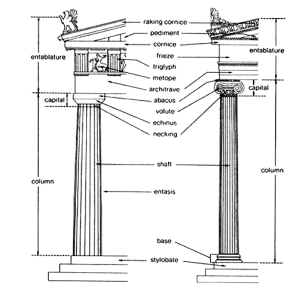
Western Civilization
What is it? It’s many things, however, historically it starts before Europe…
Europe did not think of itself as “Europe” in any modern sense until well after Charlemagne. The idea evolved slowly over centuries.
The Timeline of “Europe”
As an Idea in the Ancient World starts with Greeks. They coined the word “Europa” it was mythology — Europa was a Phoenician princess abducted by Zeus. To them, it was a geographic term for the landmass north of the Mediterranean, opposite “Asia.” The Romans continued this — they saw themselves as the center of civilization. They divided the world into Roman provinces, not a unified “Europe.” The northern barbarians: Germans, Celts, Scythians, were outside civilization.
Post-Roman and Migration Periods (5th–8th centuries)
Before Greece and Rome there were other Areas Tribes, Civilization, From the Bronze age emerged the Hallstatt Culture right into Iron ages. This expanded outwardly to all the unknow regions of the world at the time. People settled, fought and mixed with other tribes while they developed a number of brief Civilization. By the time Greece was created the Celtic Hallstatt tribes branched beyond the edges of Europe today. Even at the time of Rome in the West, there was no concept of “Europe” as a cultural or political whole. Most during this time considered themselves Roman or people in the region called themselves purely tribal names. These tribes evolved and merged into the common names we know today: Franks, Goths, Saxons, kingdom, religions: Christian, Pagan. The Eastern Roman Empire: Byzantium, still called itself Roman as it looked down on the “barbarian” West.
Charlemagne (late 8th – early 9th century).
Charlemagne is often called the “Father of Europe” because he united much of Western Europe under one Christian empire for the first time since Rome. His coronation as Emperor in 800 AD by the Pope was a major symbolic moment — it created the idea of a Christian Empire in the West separate from Byzantium. People started thinking of “Francia” and the lands under Frankish rule as something distinct. However, they still didn’t call it “Europe” — they called it the “Christian Commonwealth” or the lands of the Franks and Latins.
When did “Europe” Become a Common Identity?
The term “Europe” as a cultural and political idea really gained traction during the High Middle Ages (11th–13th centuries), especially during the Crusades. People began contrasting “Christendom” (Europe) with the Muslim world. By the Renaissance and Reformation, “Europe” was commonly used as a geographic and cultural term.
The Old World and The New World
Before Charlemagne, the lands we now call Europe were a patchwork of tribes, kingdoms, and Roman remnants. There was no strong shared “European” identity — loyalty was local or religious. Charlemagne gave the first strong push toward a unified Christian European identity. After him, the idea slowly grew, especially as a contrast to the Islamic world and later the Ottoman Turks.
.
HISTORY JULY
 The Greeks — Western Civilization
Archaic, Classical, Hellenistic.
.
.
.
.
.
.HISTORY AUGUST
 The Romans — Roma, Law & Order
Romulus & Remus, Etruscans, SPQR, Cincinnatus, Rulers, House Julia, Augustus, Tiberius, Caligula, Claudius.
.
.
.
.
.
.
HISTORY SEPTEMBER
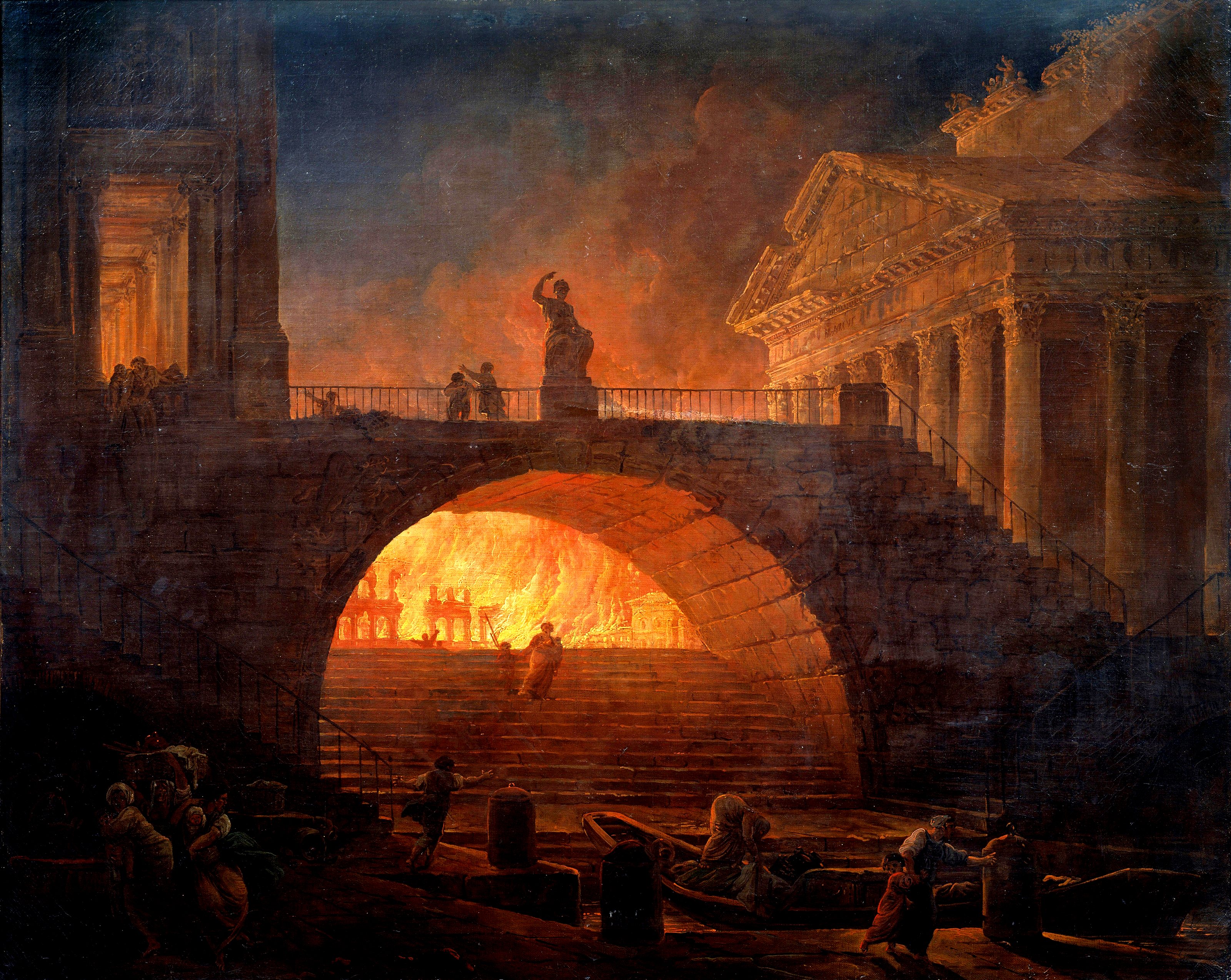 Early Christianity & Dark Ages — Early Christianity & The Dark Ages
The Birth of Medieval Europe. From the twilight of the end of Nero’s Roman Empire, to the dawn of the Middle Ages — this month we explore the turbulent world after the fall of the Western Roman Empire. The rise of Christianity, Constantine’s dream of Byzantium. The struggle of Gothic and Roman Wars. The Franks under Childeric I and Clovis I. The transformation of the Eastern Roman Empire into Byzantium. The ambitious reign of Justinian and Theodora. The flowering of monastic Christianity, and the Irish monks who helped preserve knowledge and spread faith across what would soon be known as Europe.
.
.
HISTORY OCTOBER
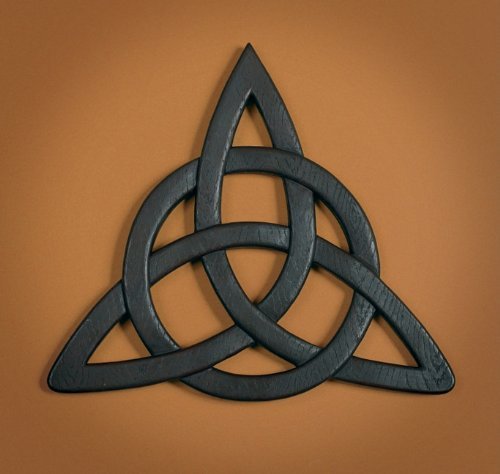 Celts, Druids & King of the Brits — Druids, Celts, Arthur.
.
.
.
.
.
.
HISTORY NOVEMBER
 Middle Ages I & Gratitude — Byzantium, Charlemagne, Rollo, Early Middle Ages.
(800 AD – 1000 AD)
.
.
.
.
.
.
HISTORY DECEMBER
 Middle Ages II & Advent — The Church, Crusades, Feudalism
(1100 AD)
.
.
.
.
.
HISTORY JAINUARY
 Middle Ages III & Great Mysteries — Merchantry, Black Death, War
(1200 – 1300 AD) Timeless
.
.
.
.
.
.
HISTORY FEBUARY
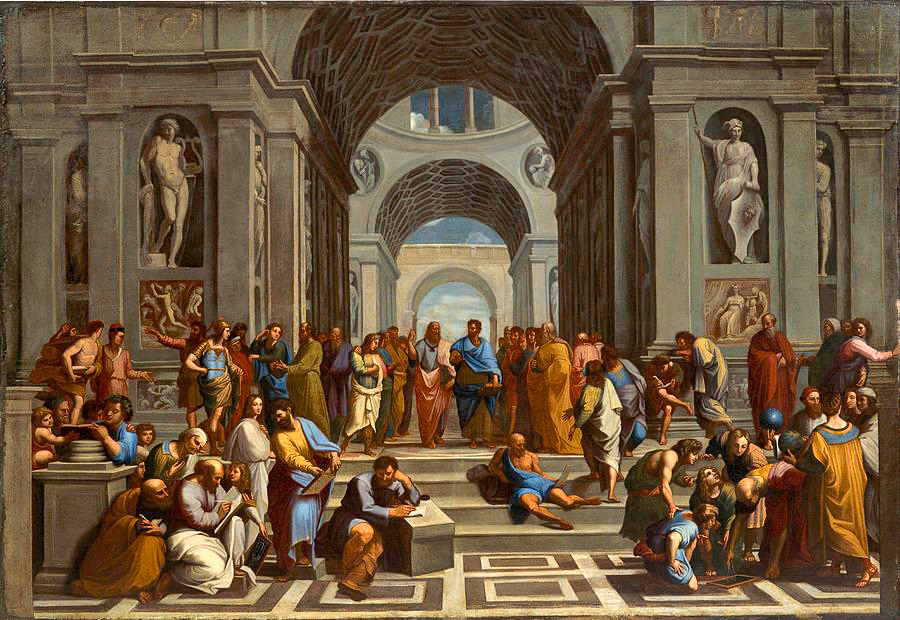 Renaissance — New Birth
The Renaissance – 1400–1600 was a fervent period of cultural, artistic, and scientific “rebirth” that originated in Italy. Driven by humanism and the natural world. The era bridged the Middle Ages and the early modern era. The Early Renaissance (c. 1400–1490). The High Renaissance (c. 1490–1530). The Late Renaissance & Mannerism (c. 1530–1600).
.HISTORY MARCH
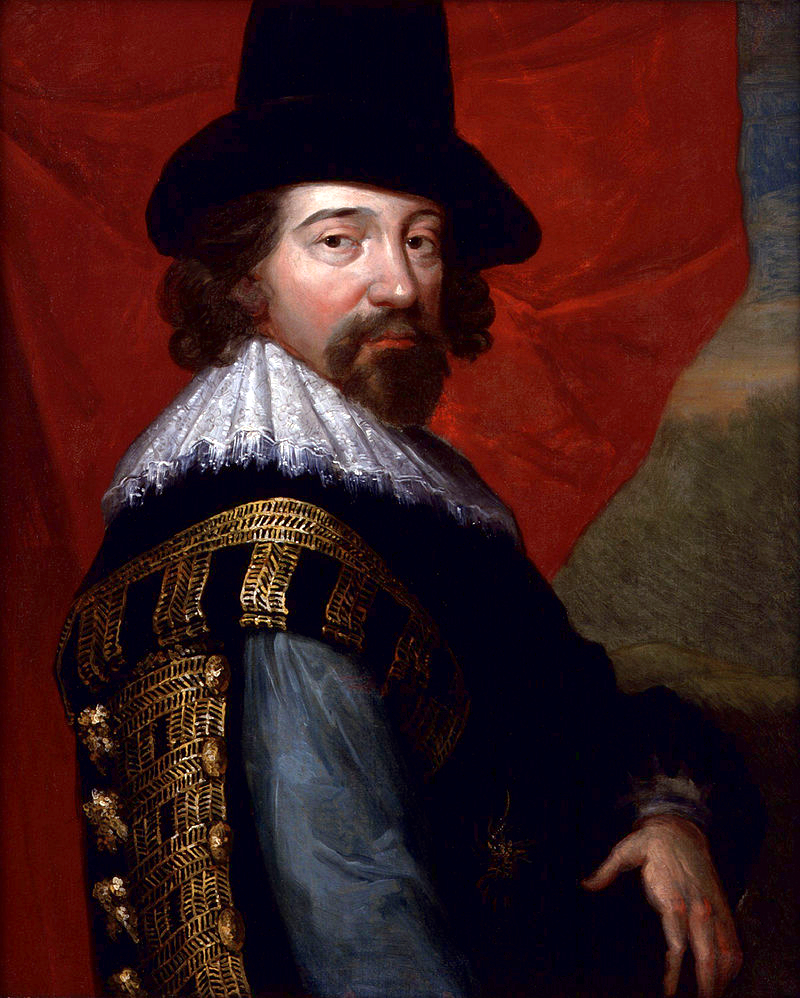 Reformation, Absolutism, Imperialism — Farming, Science, Early Industry
The 1600s was a volatile transitional period in European history defined by the aftermath and legacy of the Protestant Reformation, the rise of absolute monarchies, and the acceleration of global colonial expansion and imperialism. Devastating religious wars paved the way for monarchs to centralize total state power.
.
.
.
.
.
HISTORY APRIL
 Neoclassicism, Enlightenment & Revolution — Revolution, Industry, Creativity
During the 1700s, the Age of Enlightenment championed reason, science, and individualism, fueling the American and French Revolutions. In art, Neoclassicism rejected the frivolous opulence of the Rococo in favor of the austere, moral, and balanced aesthetics of ancient Greece and Rome.
.
.\
HISTORY MAY
 Age of Transformation —Victorian Age, Nationalism & Unification, U.S. Civil War, Wild West
The 19th Century (1800–1900) — often called the “Long Nineteenth Century” — was one of the most transformative periods in human history. It was an age of dramatic change: empires rose and fell, the modern world was born, and the foundations of today’s global society were laid.
HISTORY JUNE
 Modernity — Science & Industry, Technology, War
.
.
.
.
.
.
.
.
.
.
.
.
.
.
.
.
.
.
.
.
.
.
.
.
.
.
.
.
.
.
.
.
.
.
.
.
.
.
.
.
.
.
.
.
.
.
.
.
.
.
.
.
.
.
.
.
.
.
Living Pan-European and American Cultural and Heritage Community Center

.
EMAIL: peachcommunity yahoo.com
.
.
quicklink
.
.
.

