END
this is a page of notes to be moved to history September
==========================================================================
==========================================================================
==========================================================================
==========================================================================
==========================================================================
==========================================================================
==========================================================================
==========================================================================
==========================================================================
==========================================================================
==========================================================================
==========================================================================
==========================================================================
==========================================================================
==========================================================================
==========================================================================
==========================================================================
==========================================================================
==========================================================================
==========================================================================
==========================================================================
==========================================================================
==========================================================================
==========================================================================
.
.

[See September Festival Page for full Parsifal narrative]
==========================================================================
==========================================================================
==========================================================================
==========================================================================
==========================================================================
==========================================================================
==========================================================================
==========================================================================
==========================================================================
==========================================================================
==========================================================================
==========================================================================
==========================================================================
==========================================================================
==========================================================================
==========================================================================
==========================================================================
==========================================================================
==========================================================================
==========================================================================
==========================================================================
==========================================================================
==========================================================================
==========================================================================
==========================================================================
==========================================================================
==========================================================================
==========================================================================
==========================================================================
==========================================================================
==========================================================================
==========================================================================
==========================================================================
==========================================================================
==========================================================================
==========================================================================
==========================================================================
==========================================================================
==========================================================================
==========================================================================
==========================================================================
====================================================================================================================================================
==========================================================================
MMMMMMMMMMMMMMMMMMMM check & move up to top
II. PERSECUTION, RESILIENCE & THE RISE OF THE CHURCH
c. 64–313 AD
Apostates & Heresies — c. 64–325 AD. As Christianity grows under persecution, it also fractures internally. Apostates renounce the faith under pressure. Heresies multiply — Gnosticism, Marcionism, Arianism, Donatism. The early church is not a monolith. It is a conversation, often a fierce one, about what Christ actually meant.
The Gnostics. Ancient rivals to orthodox Christianity. They believed salvation came through secret knowledge — gnosis — rather than faith and grace. Saw the material world as a prison created by a lesser god. Their influence runs deep — through Manichaeism, through Neoplatonism, through every mystical tradition that followed. Gnosticism will be covered more fully in January — Great Mysteries.
Origen of Alexandria — 184–253 AD. The most daring theologian of the early church. Believed in the pre-existence of souls, universal salvation, and allegorical scripture. Brilliant and controversial — his writings were later declared heretical by Justinian I. The church could not contain him.
Diocletian’s Great Persecution — 303–313 AD. The most systematic attempt to destroy Christianity. Churches burned, scriptures seized, Christians tortured and executed across the empire. It fails. The faith emerges stronger. Every martyr becomes a seed.
St Anthony the Great
III. CONSTANTINE & THE CHRISTIAN PIVOT
c. 306–395 AD
Constantine the Great — Flavius Valerius Constantinus. Born 27 February 272, Nicomedia. Died 22 May 337.
The vision at the Battle of Milvian Bridge, 312 AD — “In this sign, conquer.” The Chi-Rho appears in the sky. Constantine defeats his rival Maxentius and becomes sole emperor of the West. Whether the vision was spiritual, strategic, or both — history turned on it.
Edict of Milan — 313 AD. Christianity legalized. Persecution ends. The faith that survived lions and fire now has the protection of the most powerful state on earth. Everything changes.
Council of Nicaea — 325 AD. Constantine convenes the first ecumenical council of the Christian church. The Nicene Creed is hammered out — the core statement of Christian doctrine that is still spoken in churches today. Arianism is condemned. The church begins to define itself against its own disagreements.
Julian the Apostate — 361–363 AD. Constantine’s nephew. The last pagan emperor of Rome. Attempts to reverse the Christianization of the empire — restores pagan temples, removes Christian privileges, tries to rebuild the Jewish Temple in Jerusalem. Dies in battle in Persia after only two years. History does not give him enough time to find out if it would have worked. A fascinating and tragic figure.
Theodosius I, Theodosius the Great — Born 11 January 347. Died 17 January 395.
The man who finishes what Constantine started. Edict of Thessalonica, 380 AD — Christianity becomes the official state religion of Rome. Pagan practice is banned. The transformation of the empire is complete. He is the last emperor to rule both East and West. At his death the empire is divided permanently — his sons inherit two halves that will never reunite.
Theodosius is arguably the most consequential emperor after Constantine — yet he lives in Constantine’s shadow.
IV. THE FALL OF ROME
c. 376–476 AD
The Gothic Wars — 376–382 AD. The Visigoths, fleeing Hunnic pressure from the east, cross the Danube into Roman territory. Emperor Valens admits them — and then Roman officials exploit and abuse them. They revolt.
Battle of Adrianople — 378 AD. The Visigoths annihilate a Roman army. Emperor Valens is killed. It is the beginning of the end of Roman military dominance. The barbarians have learned that Rome can be beaten.
Alaric & the Sack of Rome — 410 AD. The Visigoth king Alaric sacks Rome. For the first time in 800 years the city falls to a foreign enemy. The psychological shock across the empire is enormous. Augustine will write The City of God partly in response to pagans who blame Christianity for Rome’s weakness.
The Man — Short, broad-chested, flat-nosed, thin beard sprinkled with grey. Haughty walk. Rolling eyes. A lover of war, yet restrained in action. Gracious to those under his protection. Feared by everyone else.
Battle of the Catalaunian Plains — 451 AD. Attila meets his match. A combined Roman-Visigoth force under Flavius Aetius stops the Hunnic advance in Gaul. The last great victory of the Western Roman military. Attila retreats. He dies two years later — reportedly of a nosebleed on his wedding night. His empire collapses almost immediately.
Vandals Sack Rome — 455 AD. The second sack. Fourteen days of systematic looting. The word vandalism enters the language.
Romulus Augustulus — 461–after 476 AD. The last Emperor of the Western Roman Empire. A teenager. A puppet. Deposed in 476 AD by the Germanic general Odoacer who simply sends the imperial insignia to Constantinople and declares the Western Empire finished. He bears the name of Rome’s founder and her first emperor — and wields none of their power.
Odoacer — 433–493 AD. Germanic general. First King of Italy. Rules reasonably well. Preserves Roman administrative structures. Killed by Theodoric the Great in 493.
V. THE BARBARIAN KINGDOMS & THE DARK AGES
c. 476–600 AD
Theodoric the Great — c. 454–526 AD. King of the Ostrogoths. Ruler of Italy. Defeats Odoacer and consolidates Ostrogothic rule in 493. Preserves Roman culture, law, and administration. Builds monuments in Ravenna. Rules justly over both Goths and Romans. Remembered as one of the great post-Roman rulers — a barbarian king who loved what Rome had built.
“Nothing in the world is more honorable than loyalty.” — Theodoric
Boethius — c. 480–524 AD. Roman philosopher, senator, translator. Serves under Theodoric. Accused of treason and executed. Writes The Consolation of Philosophy in prison awaiting death — one of the most widely read books of the Middle Ages. Bridges classical philosophy and Christian thought. A man of the old world writing for the new one.
“Nothing is miserable unless you think it so.” — Boethius
Cassiodorus — c. 485–585 AD. Roman statesman and scholar. Also serves under Theodoric. Founds the Vivarium monastery in Calabria — dedicated specifically to copying and preserving classical texts. The monastery as library. The monk as guardian of civilization. This idea will save the Western world.
Who Were the Franks? Germanic tribes on the northern edges of the Roman Empire — lower Netherlands, the Rhine border between France and Germany. Many fought for Rome. As Rome faded their power grew. The future of Europe will be written by them.
Childeric I — c. 437–481 AD. Frankish king. Fights alongside Rome in its final years. Defeats the Visigoths at the Battle of Orleans. Defeats the Saxons at the Battle of Angers, 469 AD. His son will do what he could not.
Clovis I — c. 466–511 AD. Son of Childeric. Becomes leader of the Franks at 15. Defeats the last Roman governor of Gaul, Syagrius, at the Battle of Soissons, 486 AD. Unites all of Gaul under Frankish rule. Converts to Catholicism at the urging of his wife in 496 — baptized on Christmas Day 508 AD. Declared King of all the Franks 509 AD. The people he conquers do not rise against him. They accept his name — Franci, Frankia. Today, the French.
.
.
.
.
VI. THE FOUR LATIN FATHERS & THE FOUNDATION OF THE CHURCH
c. 340–604 AD
Four men shape the Latin Catholic Church. Each extraordinary. Each deeply flawed. Each finding his mission through the wreckage of his own life.
Ambrose of Milan — c. 340–397 AD. Bishop, theologian, hymn writer. Spends his life fighting Arianism. The man who baptizes Augustine. Firm, fearless, willing to stand against emperors. When Theodosius massacres thousands in Thessalonica, Ambrose bars him from the church until he does public penance. An emperor submits to a bishop. The age has changed.
Jerome — c. 347–420 AD. Scholar, translator, difficult man. Translates the Bible into Latin — the Vulgate — commissioned by Pope Damasus in 382 AD. Brings order to the proliferating Old Latin versions. Spends his old age in Bethlehem, writing, arguing, corresponding with half the church. The Bible that medieval Europe reads is Jerome’s Bible.
Augustine of Hippo — 13 November 354 – 28 August 430.
[Full biography already on page — the crown jewel. Remains in place.]
The restless son of a Roman pagan father and a Berber Christian mother — Saint Monica. Manichaeism. Philosophy. Rhetoric. Wine, women and song. “Lord make me chaste, but not yet.” Neoplatonism. A garden in Milan. Children singing. Paul’s letter to the Romans. Conversion at 33. Baptized by Ambrose. Bishop of Hippo. Confessions. The City of God. Doctor of Grace.
The whole Catholic Church is organized on his theology. There is not a Christian tradition that does not stand on Augustine’s foundation.
“Our hearts are made for you, O Lord, and they are restless until they rest in you.” — Augustine
Gregory the Great — c. 540–604 AD. Pope, reformer, missionary strategist. Survives the Bubonic Plague — which kills a third of Constantinople’s population and reshapes the church’s focus from empire to the poor. Sends Augustine of Canterbury to convert the Anglo-Saxons in 597 AD. Compiles and standardizes Gregorian Chant. Strengthens the papacy as a spiritual and political force. The medieval church takes its shape under Gregory.
“The pastures of the Lord are rich beyond all telling.” — Gregory I
VII. BYZANTINE — ROMAIOI — NEW ROME
c. 395–565 AD
Theodosius I — divides the empire at his death in 395. The West falls. The East endures — as the Byzantine Empire, calling itself Romaioi — Romans — for another thousand years.
Justinian I, Justinian the Great — Born c. 482. Died 14 November 565. The Last Roman.
Reconquers much of the lost Western Empire. Builds the Hagia Sophia — the greatest church in Christendom. Produces the Codex Justinianus — a comprehensive legal code that forms the foundation of European law to this day.
And closes the door on the ancient world. Declares the writings of Origen heretical. Abolishes the Roman Consulate. Closes the School of Athens in 529 AD — ending over nine centuries of continuous philosophical inquiry. The ancient mysteries are sealed. The esoteric wisdom of the Greco-Roman world goes underground.
Justinian pushes the faithful forward while sewing up the past. He is building a New World Order — the material against the spiritual, fact-based Christianity against the living mystery traditions. In sealing the ancient world he creates the conditions for what we call the Dark Ages. Yet his legal code and his monasteries preserve what survives.
The battle for the souls of a changing empire. The material vs. the spiritual. It has not ended.
Alboin — c. 530–572 AD. King of the Lombards. Leads the Lombard invasion of Italy in 568 AD — the final fragmentation of Roman authority in the West. Northern Italy becomes Lombard territory. The last Roman structures crumble.
Alboin
TITLE: King of the Lombards
PRIMARY OCCUPATION: Monarch; Warrior King
FULL NAME: Alboin
BIRTH: c. 530 – likely in the Danube region
DEATH: 572 – Northern Italy
PARENTS: Audoin (father), unknown mother
SIBLINGS: Unknown
EDUCATION: Warrior training typical of Lombard nobility
PHILOSOPHY/RELIGION: Arian Christianity (likely), later converted to Catholicism
ACCOMPLISHMENTS: Led Lombards into Italy in 568; established Lombard Kingdom in Italy; defeated Byzantine forces in northern Italy
AFFILIATIONS: Lombard Kingdom
YEARS OF RULE OR VOCATION: 568–572
SPOUSES: Rosamund (daughter of Gepid King Cunimund)
CHILDREN IN WEDLOCK: Unknown
OUT OF WEDLOCK: None known
NAME OF SUCCESSOR: Cleph
WORKS/BOOKS: None known
SYMBOL/EMBLEM: Lombard royal insignia (ancient symbols)
CONTEMPORARIES/RIVALS: Byzantine Emperor Justin II, Gepid Kingdom
LEGACY/INFLUENCE: Founder of the Lombard Kingdom in Italy, initiating Germanic rule in northern Italy that lasted for centuries
MEMORABLE QUOTE: “A warrior’s path leads to the crown of victory.”
=====================================================================================
VIII. THE PRESERVATION OF KNOWLEDGE
c. 480–615 AD
From the rubble, something extraordinary happens. The knowledge does not die. It goes into the monasteries.
Benedict of Nursia — c. 480–547 AD. Father of Western monasticism. Founds the monastery at Monte Cassino around 529 AD — the same year Justinian closes the School of Athens. The timing is not accidental. As the ancient academies close, the monasteries open. Benedict’s Rule — ora et labora, pray and work — creates a template for communal life that will govern thousands of monasteries across Europe for centuries. The monastery becomes the school, the library, the hospital, the farm, and the scriptorium. Everything worth saving passes through its hands.
Columbanus — c. 543–615 AD. Irish monk. Leaves Ireland around 590 AD and walks into a darkening Europe carrying books and faith. Founds monasteries at Luxeuil in Gaul, Bobbio in Italy, and dozens of smaller houses across the continent. The Irish monastic tradition — rigorous, learned, deeply spiritual — spreads through Europe like fire through dry grass.
Saint Patrick — c. 385–461 AD. (See October — the Celtic World)
Born Roman-British. Kidnapped by Irish raiders at sixteen. Six years as a slave shepherd on an Irish hillside — alone, cold, listening. Escapes. Educated in Gaul. Returns — voluntarily — to the people who enslaved him, carrying Christianity.
What he found in Ireland was a people already spiritually awake. The Druids had been tending the invisible world for a thousand years. The veil between seen and unseen was thin there by tradition and by the land itself. Patrick did not replace the fire. He gave it a new vessel.
“After Patrick had introduced Christianity into Ireland, it came about that Christianity there led to the highest spiritual devotion.” — Rudolf Steiner
Ireland becomes the great preserver. When Europe’s lights go out one by one, Ireland keeps the flame. The monks copy the manuscripts. They understand that words carry spirit. That a text is a living thing. That knowledge is sacred. And then — like Columbanus — they walk back into the dark with their books.
The last piece of heaven that fell from the sky was Ireland.
IX. THE FRANKS & THE ROAD TO CHARLEMAGNE
c. 600–800 AD
Pepin of Herstal — 635–714 AD. Mayor of the Palace of Austrasia. The real power behind the Frankish throne while the Merovingian kings grow weak. Grandfather of Charles Martel. Consolidates Frankish authority. Lays the ground.
Charles Martel — c. 688–741 AD. The Hammer.
Mayor of the Palace. De facto ruler of the Franks. Never takes the title of king but wields every power of one.
Battle of Tours — 732 AD. The Islamic forces advancing from Spain are stopped by Martel’s Frankish army. One of the most consequential battles in European history — the line beyond which the Islamic expansion into Western Europe did not cross. Martel holds it.
Introduces feudalism as a military system — grants land to warriors in exchange for mounted military service. The knight is born. Medieval European society takes its shape.
Pepin the Short — 714–768 AD. Son of Martel. First Carolingian to take the title of King of the Franks — with the blessing of the Pope. The alliance between the Frankish crown and the Roman papacy is forged here. It will define European politics for centuries.
Charlemagne — 748–814 AD. [See November]
Carolus Magnus. Charles the Great. King of the Franks, King of the Lombards, first Holy Roman Emperor — crowned by the Pope on Christmas Day 800 AD. Unites the lands north of Rome. Names them Europa. The Father of Europe.
September hands the torch to October. October carries it through the Celtic dark. November crowns it.
========================================================================================================================================================================================================================================================================================================================================================================================================================
SEASONAL REFLECTION
The Autumnal Equinox mirrors the age. Day and night in perfect balance — the old world yielding to the new, neither quite gone nor quite arrived. Rome fades like the summer light. Christianity rises like the harvest moon. In the monasteries, knowledge is being stored like grain against the winter — canned at the peak of freshness, sealed with care, waiting for the world to be hungry again.
From Lombard dusk to monastic dawn. The Roman light is not extinguished. It is preserved. Harvested wisdom, waiting.
Parsifal Lecture — 3rd Friday
Parsifal Opera — 3rd Sunday
[See September Festival Page for full Parsifal narrative]
XXXXXX
History Lectures
The Fall of Rome
In the historical lecture series, we briefly cover the height of Rome – 70 AD, followed by the slow fade and conversion of the Pagan Empire to Christendom. What caused the Fall of Rome? Many things, the endless wars, and conflicts, the deaths of many Caesars, the corruption and the battles for power within the Roman Legions, until the rise of Odovacar, the Germanic Barbarians, when in 376 AD they united with all the Celtic Tribes and put the Roman Military Empire at last to rest. This was the Battle of Marcianople – the Gothic Wars 376AD -382AD.
==========================================================================
==========================================================================
==========================================================================
==========================================================================
==========================================================================
==========================================================================
==========================================================================
==========================================================================
add to lecture series CLUBS EDU
History Lectures Series
Week 1 — The Fall of Rome, Constantine and Christianity, Theodosius, Julian the Apostate. Friday 7PM. Lecture Hall I. [confirm date]
Week 2 — Early Christianity: Persecution, Resilience, and the Rise of the Church. [confirm speaker, date, location]
Week 3 — Augustine of Hippo — Life, Theology, and the Confessions. [confirm speaker, date, location]
Week 4 — The Dark Ages, the Barbarian Kingdoms, and the Preservation of Knowledge. [confirm speaker, date, location]
Parsifal — The Question of the Grail — Sunday afternoon lecture. [confirm date, time, location]
Mission of Michael — Michaelmas lecture. September 29th. [confirm time, location]
Philosophy History Of Western Civilization – Philosophy – Lecture: 2nd Monday, 7PM-9PM.
No Lectures, September 1st through Labor Day.
.

.
.
.
.
TIMELINE SPINE
INDEX
.
.
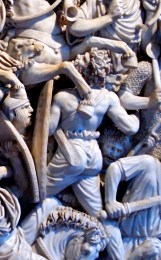 The Goths [tbc].
.
.
.
.
.
.
.
.
.
.
.
AUG
Height and Gradual Decline of the Roman Empire (c. 14 BC – 3rd Century AD)
Pax Romana peak and early cracks (c. 14 BC – 180 AD)
- Tiberius (r. 14–37 AD): Early imperial consolidation amid personal paranoia and power struggles.
- Jesus of Nazareth (c. 0–33 AD): Baptism in the Jordan, Crucifixion under Pontius Pilate, Resurrection; Apostles spark the early Christian movement.
- Destruction of the Second Temple (70 AD) and fall of Masada (73 AD) mark end of Jewish revolts in Judea.
- Hadrian (r. 117–138 AD): Builds Pantheon in Rome and Hadrian’s Wall in Britain; crushes Bar Kokhba Revolt (132–135 AD).
- Marcus Aurelius (r. 161–180 AD): Stoic philosopher-emperor; writes Meditations amid plagues, wars, and growing internal strains—emphasizes inner virtue against outer chaos.
- Third-Century Crisis (c. 235–284 AD): Barracks emperors, economic collapse, unpaid legions, rapid turnover of rulers (e.g., Year of the Four Emperors in 68–69 AD as precursor chaos)
SEPT
Persecutions and Christian Resilience (c. 64–313 AD)
- Nero blames Christians for Great Fire of Rome (64 AD) → First major persecutions; martyrs fed to lions (64–100 AD).
- Sporadic persecutions under later emperors; growth through resilience (“blood of the martyrs is the seed of the Church”).
- Early Church figures: Clement I (c. 88–99 AD) as early bishop of Rome.
- Diocletian’s Great Persecution (303–313 AD): Most intense empire-wide effort; creates many martyrs but ultimately fuels Christian expansion.
- Internal challenges: Apostates, heresies (e.g., early Gnostic debates), and debates over doctrine.
- Constantine’s Pivot and Triumph of Christianity (c. 306–395 AD)
- Constantine the Great – 306–337 AD; Flavius Valerius Constantinus, 272–337 AD
- Vision at Battle of Milvian Bridge (312 AD): “In this sign, conquer” (Chi-Rho).
- Edict of Milan (313 AD): Ends persecutions, grants religious tolerance/legalization of Christianity.
- Council of Nicaea (325 AD): Codifies core Christian doctrine (Nicene Creed) against Arianism and other debates.
- First openly Christian Roman emperor; founds Constantinople as “New Rome.”
- Theodosius I (r. 379–395 AD): Makes Christianity the official state religion (Edict of Thessalonica, 380 AD); bans pagan practices.
- Early Church Fathers: Augustine of Hippo (354–430 AD) bridges
- Neoplatonism/Stoicism with Christian theology (e.g., “restless heart” seeking God); shapes Western thought amid chaos.
Barbarian Pressures and the Fall of the Western Roman Empire (c. 376–476 AD)
- Gothic Wars (376–382 AD)
- Visigoths cross Danube; Battle of Marcianople (376 AD) sparks further conflicts
- Battle of Adrianople (378 AD) decisive Gothic victory, kills Emperor Valens—major blow to Roman military.
- Visigoths sack Rome (410 AD under Alaric)
- Vandals sack Rome (455 AD)
- Hunnic pressures under Attila (collapse after his death in 453 AD; remnants disperse after Battle of Nedao, 454 AD).
Final – End Of Rome (or is it?)
- Odoacer (Germanic leader) deposes last Western emperor Romulus Augustulus (476 AD) → Traditional “fall” of Western Roman Empire.
- Lombard invasion of Italy (568 AD). Fragmentation
Byzantine Preservation and Transition to Medieval Christendom (c. 395–600 AD)
- Eastern Roman (Byzantine) Empire endures as “New Rome” in Constantinople.
- Justinian I (r. 527–565 AD)
- Reconquests in West
- Codex Justinianus (comprehensive Roman legal code)
- Hagia Sophia
- closes pagan schools (e.g., Athens Academy, 529 AD)—ends ancient pagan mysteries while preserving classical knowledge through Christian monasteries and manuscript copying.
- Monasteries emerge as centers of learning, faith preservation, and cultural continuity amid Western chaos.
- Missionaries and theology spread
- Christianity influences barbarian kingdoms
- Byzantine East safeguards Roman law, Greek learning, and Christian heritage—lays groundwork for medieval Europe and later revivals.
====================
The Beginning of the End
Caesar Tiberius Julius Caesar Augustus, 14BC–37AD
Jesus The Nazarene, 0AD~33AD –
Baptize in the Jordan
Crucifixion
Rise from the Dead
Apostles Spark a Revolution of Faith.
Early Christians movement became known as Christianity.
Persecutions and Christian Resilience,64–313 AD.
Nero (64 AD) blames Christians for Rome’s fire.
64–100 AD – Christian Martyrs and Lions
Apostates and Heresies
88 AD – Clement I 35 –99 AD
List of Apostates
[names]
68~-69AD – Year of the Four Emperors
[names
Glossary ggggggggggggggggggggggggggggggggggggg
The End of Classical Rome
The Raising of the Temple 70 AD
Masada 73 AD
Bar Kokhba Revolt- 135AD
Roman Emperor Publius Aelius Hadrianus, 117–138 AD.
Decline, Persecutions, and the Rise of Christian Byzantium c. 70–138 AD
Builds Pantheon and Wall in Britain.
Crushes revolts, Bar Kokhba 132–135 AD.
Marcus Aurelius (r. 161–180 AD)
Pillars Stoic Endurance Resilience amid growing strains.
Writes Meditations during plagues and wars— the development of inner virtue against outer chaos.
Diocletian’s Great Persecution (303–313 AD) creates martyrs in arenas.
Blood of martyrs fuels growth—turning suppression into strength.
Persecution to Preservation
Martyrs’ blood waters faith
pagan fade into Christian dawn.
—
Chaos of Generals and Decline (c. 180–476 AD) Third-century crises: Barracks emperors, economic collapse, unpaid legions.
Barbarian pressures: Gothic victories (e.g., Adrianople 378 AD); sacks of Rome (410 AD Visigoths, 455 AD Vandals); final fall as Odoacer deposes Romulus Augustulus (476 AD).
Constantine’s Pivot and Christian Triumph (c. 306–395 AD) Constantine (r. 306–337 AD): Vision at Milvian Bridge (312 AD), Edict of Milan (313 AD) ends persecutions, Council of Nicaea (325 AD) shapes doctrine.
Theodosius I (r. 379–395 AD): Makes Christianity state religion; early Church Fathers (e.g., Augustine 354–430 AD, influenced by Neoplatonism/Stoics) blend philosophy with faith.
—
Christian Hope
Gnostic Debates Arian
Neoplatonic ascent and Augustine’s restless heart.
Constantine’s Conversion.
Philosophy – Key Areas Constantine’s Ideology, 325AD
Nicaea Council codifies Christian doctrine.
Constantine’s Christian Pivot, 310–337 AD –
Milvian Bridge
Edict of Milan
Christianity rises.
Constantine the Great – Flavius Valerius Constantinus, 272- 337.
First Christian Roman Emperor. Founded.
The Gothic Wars 376AD -382AD.
—–
Byzantine Preservation (c. 395–565 AD)
Knowledge/faith
Constantinople, New Rome
Justinian I. 527–565 AD – Reconquests, legal code, Hagia Sophia; closes pagan schools, ends ancient mysteries—sealing classical era while safeguarding knowledge through monasteries.
Byzantine Church (currently Eastern Orthodox Church), the Divine Liturgy (Mass) was spoken in Greek.
Details: The primary language used in the Byzantine Empire’s churches was Koine Greek (the common form of Greek that had been used since Hellenistic times).
This was the language of the New Testament, the writings of the Church Fathers (such as John Chrysostom, Basil the Great, and Gregory of Nazianzus), and the official liturgy.
The most widely used liturgy was the Divine Liturgy of St. John Chrysostom, which was (and still is) celebrated in Greek in the Byzantine tradition.
Important Notes: While Greek was the main liturgical language in Constantinople and the core Byzantine territories, the empire was multi-ethnic.
In some regions, the liturgy was also celebrated in other languages, such as: Syriac (in parts of the Middle East)
Coptic (in Egypt) Georgian, Armenian, or Slavic languages (as Christianity spread to those peoples)
After the 9th century, as the faith spread to the Slavs, Old Church Slavonic was developed (by Saints Cyril and Methodius) so that the liturgy could be understood by Slavic-speaking peoples.
But in the heart of the Byzantine Empire — especially in Constantinople and the Greek-speaking provinces — the Mass was conducted in Greek.
………………………………………………………………………………………………………….
Late Roman Decline & Fall (c. 376–568 AD)
Barbarian pressures intensify – Gothic victory at Adrianople (378 AD); Visigoth sack of Rome (410 AD); Vandal sack (455 AD).
Hunnic empire under Attila collapses after his death (453 AD); remnants disperse east of the Danube after the Battle of Nedao (454 AD).
Western Empire ends with Odoacer deposing Romulus Augustulus (476 AD).
Lombard invasion of Italy, 568 AD. Final fragmentation of Western Roman authority.
Christian Triumph & Preservation (c. 313–600 AD)
Constantine’s vision at Milvian Bridge (312 AD) → Edict of Milan (313 AD) legalizes Christianity; Council of Nicaea (325 AD) shapes core doctrine.
Constantine’s Edict of Milan (313 AD) legalizes Christianity; Council of Nicaea (325 AD) shapes doctrine.
Theodosius I makes Christianity state religion (380 AD); monasteries emerge as centers of learning and manuscript copying amid chaos. establishes Constantinople as the enduring “New Rome.”
Missionaries spread faith: Augustine of Hippo (354–430 AD) bridges Neoplatonism to Christian theology.
Byzantine East preserves Roman law, learning, and faith Justinian I, 527–565 AD: Hagia Sophia, comprehensive legal code.
Byzantine Continuity: Eastern Empire safeguards Roman/Christian heritage, influencing Western revival.
======================
Regional Kingdoms & Daily Life (c. 600–800 AD)
Monastic expansion: Irish monks (e.g., Columbanus, d. 615 AD) found monasteries across Europe, preserving classical texts. copying manuscripts and evangelizing—key preservers of knowledge. Village life: Shift to manorial system, three-field rotation, heavy plough—slow agricultural recovery.
Key Cultural Pillars Monastic Light: Irish and Continental monasteries beacons—preserving classical texts and faith amid instability.
Anglo-Saxon England forms heptarchy kingdoms
Saxons; legends begin forming in oral tradition (no contemporary records).
Carolingian revival starts ~800 AD with Charlemagne.
Romans/Christianity centuries earlier); lingering folk beliefs influence early medieval myths.
Harvest Reflection: Equinox balance mirrors old world yielding to new; canning knowledge. preserved in faith/scriptoria—ready for medieval winter.
From Lombard dusk to monastic dawn, September reflects quiet transition: Roman light preserved in faith and scriptoria—
From Lombard dusk to monastic and Byzantine dawn, September reflects quiet preservation: Roman light safeguarded for the coming centuries—harvested wisdom awaiting
============================
=====================================================================================
The Middle Ages
I. The Early Middle Age, 400 AD – 1000 AD. Also considered part of the Dark Ages and the establishment of Christianity and the formation of Western and Central Europe.
II. The High Middle Ages, 900 AD – 1250 AD. The embracing of Feudalism. The Emergence of Kings and Queens.
III. The Late Middle Ages, 1300 AD – 1500 AD. Ushering in The Age of Discovery and The Renaissance, New Birth.
Byzantine – Romaioi Empire through the Dark Ages – New Rome
Theodosius I, Theodosius the Great 347 – 395.
Justinian I, – Justinian the Great
Biography – Augustine’s 354–430 AD
Life and Theology
The Goths Barbarians – Dark Ages- Vandals, Visigoths, Franks all against the Romans .
376 – Gothic migrations into Roman territory; Valens admits them
378 – Battle of Adrianople Roman defeat.
410 – Sack of Rome by Visigoths under Alaric.
455 – Sack of Rome by Vandals.
466 – Clovis
476 – Fall of the Western Roman Empire – Romulus Augustulus – 461-511, deposed by Odoacer – 433-493
463 – Who were the Franks?
493 – Theodoric consolidates Ostrogothic rule in Italy.
568 – Lombard invasion fragments Italy further.
600 – Pepin of Herstal 635 – 714
–Martel 688 – 741
Pepin the Short – 714 – 768. King of the Franks. First Carolingian to become king.
Charlemagne – 748 – 814 [See November]
.The Goths [tbc].
.
.
.
.
.
.
.
.
.
.
.
ADD TO HISTORY OVERVIEW & DARK AGES
.
.
The Fall of Rome and The Dark Ages
The Dark Ages serves as an overlap between the decline of Rome and the emergence of Christianity and The Byzantine – Romaioi Empire. After 70 AD, the destruction of the Temple, Rome began to see its decline. An Empire too large to manage, full of corruption, waste, and degeneracy. Killing the current ruler was expected with each new Caesar.
The cost of running an Empire under economic waste and mismanagement of funds required the constant raising of taxes, this angered the citizens of Rome. When soldiers could no longer be paid, they refused to fight and guard the Empire. They split and sided with Generals who offered soldiers grain and lands to seize power, and they did this by simply taking them. The game for power, through assassinations and wars between troops, was endless. By 376 AD, Rome was in such a weakened state militarily that the Northern Barbarians were able to unite and defeated them. They took back what Julius Caesar tamed, what Rome under Augustus Caesar managed and prospered greatly from, until all that was left of the city of Rome itself lay waste to a small sect calling themselves, Disciples of Christ, Christian.
Medieval Period
Between 376 AD through 600 AD, what was left of the Roman Empire hung by a thread. We travel through the life of Constantine, 306 AD – 337 AD. He established Homousian Christianity under Roman Rule. Theodosius, 379 AD – 395 AD, solidified the establishment and transition of a Christian Empire. Justinian The Great, 527 through 565, saw the dream of the Byzantine – RomaioiEmperor come to pass.
From the 6th century onward, Christianity grew and struggled throughout the end of the Roman Empire and the establishment of Christianity until Charles the Great, Carolus Magnus, Charlemagne, 747 AD – 814 AD. He ruled over the Carolingian Dynasty, was the King of the Franks, King of the Lombards, the First Holy Roman Emperor. Charlemagne united the West and Central Lands north of Rome, and he called these lands, Europe. Charlemagne, known as the “Father of Europe.”
The Dark Ages Vs Medieval
This period is understood to exist from 476 AD through 1000 AD.
From the growth of Christianity through the defeat of the Ottoman Empire in the East, and throughout history, there is overlap between the ages and how knowledge spreads.
Tiberius, (14 BC – 37 AD – Ruthless, paranoid emperor’s rule fuels economic strife, set the stage for chaos. igniting Roman decline.
Jesus The Nazarene, 0AD ~ 33AD – Baptize in the Jordan by John where the Christ Being entered a human body, He was Crucifixion by the will of the Jews. His movement and Apostles spark a revolutionary aith. These early Christians movement became known as Christianity.
Year of the Four Emperors
Nero Claudius Caesar Augustus Germanicus, born Lucius Domitius Ahenobarbus Caesar, 37-68AD – Emperor, faced with a civil war.
Servius Sulpicius Galba. 24-69AD – Governor of Hispania.
Marcus Salvius Otho, 32-AD – Governor of Lusitania.
Aulus Vitellius Germanicus, 24-69AD –
Christian Martyrs and Lions ~64–100 AD, Nero’s persecutions forge Christian resilience.
Year of the Four Emperors
Nero Claudius Caesar Augustus Germanicus, born Lucius Domitius Ahenobarbus Caesar, 37-68AD – Emperor, Faced with a civil war.
Servius Sulpicius Galba, 24-69AD – Governor of Hispania.
Marcus Salvius Otho, 32-AD – Governor of Lusitania.
Aulus Vitellius Germanicus, 24-69AD – Historian.
Apostates and Heresies ~64–325AD Persecution sparks renunciations.
Lions ~64–100 AD – Nero’s persecutions forge Christian resilience.
Clement I ~88–99 AD, 1st Apostolic Father, Early pope, martyr, anchors Rome’s church.
The Middle Ages [Medieval] are divided into three parts.
I. The Early Middle Age, 400 AD – 1000 AD. Also considered part of the Dark Ages and the establishment of Christianity and the formation of Western and Central Europe.
II. The High Middle Ages, 900 AD – 1250 AD. The embracing of Feudalism. The Emergence of Kings and Queens.
III. The Late Middle Ages, 1300 AD – 1600 AD. Ushering in The Age of Discovery and The Renaissance, New Birth.
Philosophy – Key Areas Constantine’s Ideology, 325 AD – Nicaea Council codifies Christian doctrine.
Constantine’s Christian Pivot, 310–337 AD – Milvian Bridge vision, Edict of Milan, Christianity rises.
Constantine’s Conversion.
Constantine the Great – Flavius Valerius Constantinus, Born 27 February 272 Nicomedia [Serbia] – Died 22 May 337. Bithynia . First Christian Roman Emperor. Founded
Biography, Augustine’s Theology, 354–430 AD – Confessions. City of God ,redefine sin. Doctor of grace.
Apostates and Heresies ~64–325 AD – Gnostic debates.
List of Apostates
Byzantine- Romaioi Empire through the Dark Ages
Byzantium – Romaioi – New Rome
Theodosius I, Theodosius the Great, Born 11 January 347 – Died 17 January 395.
Justinian I, – Justinian the Great, Born unknown 482 – Died 14 November 565.
Under Justinian’s rule, he brought an end to the Mithraic Mysteries. He declared the writings of Origen heretical, abolished the Roman Consul, closed the School of Athens, and preferred the University of Constantinople. In doing so, Justinian sidelined all the ancient wisdom passed down from the Greco-Roman Empire, ushering in what later became known as the Dark Ages. All occult and esoteric meanings under Justinian replaced old wisdom with fact-based, materialistic descriptions of the world, including the life of Christ.
Justinian I found himself pushing the faithful forward while sewing up the past. A New World Order. The battle for the souls of a changing empire, the material vs. the spiritual. He expanded the Byzantine = Romaioi Culture while watching parts of the Roman Empire pull away. Still, Justinian I sought to keep and bring the fraying edges of the Roman Empire back into the fold. As a result, Justinian I is often regarded as the Last Roman.
Punishments Of The Byzantine Empire
ADD TO STORY ssssssssssssssssstttttttttttttttt
above the soul is the spiritual. the concept of ideas. The next Imagination, no concepts, above the idea world
ADD tO STORY
————————————————————————–
Parsifal
The Legend of the Holy Grail
There are stories that live in the heavens and on the earth, that belong to no single time or place but echo across centuries. The legend of Parsifal is such a story. It is a bridge between the pagan past and the Christian future, between the Celtic mysteries of Arthur’s court and the medieval quest for the Holy Grail, a cup still sought after. It is a tale of innocence and awakening, of suffering and redemption, of the pure fool who becomes the healer-king.
Richard Wagner, in his final opera, gave this legend its most profound expression. He set it not in the historical Middle Ages but in a timeless realm where myth and spirit intertwine. The story he tells is not merely about a young knight’s journey; it is about the transformation of consciousness itself, the movement from ignorance to compassion, from self to service, from wounding to healing.
We tell this story in September because it mirrors the season’s own journey. Just as the equinox marks the turn from light to darkness, Parsifal’s tale marks the turn from innocence to knowledge, from the bright garden of childhood to the shadowed temple of suffering. And just as we preserve the harvest against winter’s scarcity, Parsifal preserves the sacred—the Spear, the Grail, the possibility of redemption—against the forces of decay and despair.
This is the story of Parsifal, the pure fool, who asked the question that healed the world.
.
.

==========================================================
Neoplatonism
imagination – above the idea world
inspiration
intuition
probation
enlightenment
initiation
Plotinus perception – reality is the spiritual world.
This led Augustine to Christianity
for man does not need to reach upwards for Christi Jesus has descended upon the earth
It was Plotinus – Neoplatonism [Late-Platonism] that had the greatest affect on Augustine and his view on Christianity.. Since the earliest doctrine of the Catholic Latin Church was Augustine we can say that Christianity is a form of Neoplatonism [Late-Platonism]. Even later when Christianity was revised it falls in line with Np. And seeing that the Greeks were fist in translation of the gospels and the Gospels were written originally in Greek we can pin point the organization and layout of the Christian bible and doctrine
All the books of the New Testament were written originally in Greek. The Latin translation of the Bible written by St. Jerome, who was asked by Pope Damasus in 382 A.D. to bring order out of the proliferation of Old Latin versions which were in circulation.
===================================================================================================================================================================================================================================
Late Antiquity & Early Middle Ages (476–1000)
ADD T OVERVIEW SEC 4 FATHER
The Four Catholic Fathers
Catholic means Universal in Greek –katholikos [κατ’ ολόν], hard for Christianity to get away from God’s global roots & mission. There are four church fathers who desnd from the first Pope Peter that set the foundation of the Catholic church.
Ambrose * [340] Spent his life fighting Arianism similar , but distinct from the Gnostics..
Jerome *. [347] Jerome spent his old age picking apart and adding to Augustine’s work.
Augustine *** [354] There isn’t a Christian religion that doesn’t agree, believe or follow Augustine’s contributions, he was, after all, the man who organized the Church, including both books; which at the time were only two Gospels. It’s important to know that before Augustine was the Bishop of Hippo and even after he was a (Neo) Platonist following the understandings of Plato through Plotinus . The whole church is organized and structured on the philosophy of Platonism. However, what crowns the Catholic Church, according to Augustine after Christ came to him in a vision, he realized that philosophy was not enough without Christ in your heart.
Two important books by Augustine of Hippo: Confessions, a biography, and City of God. Augustine’s City of God portrays human history as a conflict between the Earthly City, where people pursue fleeting worldly pleasures, and the City of God, where individuals dedicate themselves to eternal Christian truths, destined to triumph. Confessions is a very open and candied telling of the Life of Augustine from childhood through adulthood as a reprobate. The book also recounts how Augustine went from Manicheism to Platonism then becoming a dedicated servant of God through the lord Jesus Christ.
Gregory** [540] Gregory suffered through the bubonic plague in the Byzantium Empire. The plagues decreased the population by 1/3, this was deviating, no one was untouched by this tragedy. This one event help turn the church’s focus from Empire to concern and becoming a vessel for the poor.
All of these men had great flaws, but found their mission in God and the church. Agree or disagree with their ideas, but there’s noi denying their aim was true.
These men of the church shaped Europe. without the Holy Roman Catholic Church Europe would look very different and if we are not careful we could lose site of our roots and our home.
Byzantine- Romaioi Empire through the Dark Ages
Byzantium – Romaioi – New Rome
Theodosius I, Theodosius the Great, Born 11 January 347 – Died 17 January 395.
Justinian I, – Justinian the Great, Born unknown 482 – Died 14 November 565.
Under Justinian’s rule, he brought an end to the Mithraic Mysteries. He declared the writings of Origen heretical, abolished the Roman Consul, closed the School of Athens, and preferred the University of Constantinople. In doing so, Justinian sidelined all the ancient wisdom passed down from the Greco-Roman Empire, ushering in what later became known as the Dark Ages. All occult and esoteric meanings under Justinian replaced old wisdom with fact-based, materialistic descriptions of the world, including the life of Christ.
Justinian I found himself pushing the faithful forward while sewing up the past. A New World Order. The battle for the souls of a changing empire, the material vs. the spiritual. He expanded the Byzantine = Romaioi Culture while watching parts of the Roman Empire pull away. Still, Justinian I sought to keep and bring the fraying edges of the Roman Empire back into the fold. As a result, Justinian I is often regarded as the Last Roman.
Gnostics
Trinity
being
knowing
living/love
Father being
Son idea world knowing the son
HG life lose willing
through Plotinus
Our hearts are made for you oh lord, and they are restless, until they rest in you. – St. Augustine
VVVVVVVV
ADD YO CONSTANTIME
687ad.NOV/OCT
The Decree: Pope Sergius I
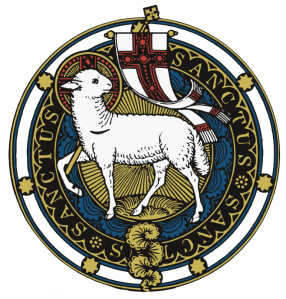 Agnus Dei, qui tollis peccata mundi, miserere nobis.
Lamb of God, who takes away the sins of the world, have mercy on us.
Agnus Dei, qui tollis peccata mundi, miserere nobis.
Lamb of God, who takes away the sins of the world, have mercy on us.
Agnus Dei, qui tollis peccata mundi, dona nobis pacem.
Lamb of God, who takes away the sins of the world, grant us peace.
Spoken in all Christian Sects
..
.TTTTTTTTTTTTTTTTTTTTTTTTTTTTTTTTTTTTTTTTTTTTTTTTTTTTTTTTTTTTTTT
Who were the Franks?
According to Rome, the Franks were part of the Germanic tribes who lived on the northern edges of the Roman Empire; Northern and Middle Rhine. Today, lower Netherlands, and the border between France and Germany. A treaty was signed between these tribes, mostly Franks, and the Romans. Many of the Frankish tribal men even fought for Rome. At once point the Franks became the largest contingency in the Roman Army. As Rome’s power faded their strength in the region grew.
After 376AD, Rome collapsed, the tribes began to move into the lower lands Rome could no longer defend. As the tribes took over and settled in, they fought amongst themselves. In 406AD, Atilla the Hun [Volga, Russia] invaded Gaul. This attack united all of Gaulia, Franks, and the Visigoth tribes, and what was left of Rome. It was the first defeat for Atilla. He died 2 years later.
In 463AD, under the Frankish leader Childeric he and the Franks fought for Rome. In particular, at the Battle of Orleans against the Visigoths, and again he defeated the Saxons at the Battle of Angier, 469AD. He soon expanded his power throughout Gaul, as Rome continued to fade. In 476AD Romulus Augustus, Emperor of Rome, was defeated by Odoacer, a general in one of the Germanic tribe. Odoacer, became the First King of Italy. In 480AD Childeric died and his son Clovis, ᚺᛚᛟᛞᛟᚹᛁᚷ (runic), Hlōdowik, [Today, Louis], at age 15, became leader of the Franks. Rome’s leadership gone, in order to unite all of Gaul Clovis needed to defeat the Roman Governor Syagrius. At age 20 Clovis soundly defeated him in the Battle of Soissons 486AD. Soon he conquered all of Gaul, and powerful enough to keep his enemies at bay. In 496 he converted to Catholicism at the behest of his wife. Baptized on Christmas Day in 508AD. Clovis is declared the King of all the Franks 509AD. He died 511 AD.
The Franks
Childeric
Battle of Orleans
376AD, Rome collapsed,.
Battle of Angier
——————————————————
In 463AD, under the Frankish leader Childeric he and the Franks fought for Rome. In particular, at the Battle of Orleans against the Visigoths, and again he defeated the Saxons at the Battle of Angier, 469AD. He soon expanded his power throughout Gaul, as Rome continued to fade. In 476AD Romulus Augustus, Emperor of Rome, was defeated by Odoacer, a general in one of the Germanic tribe. Odoacer, became the First King of Italy. In 480AD Childeric died and his son Clovis, ᚺᛚᛟᛞᛟᚹᛁᚷ (runic), Hlōdowik, [Today, Louis], at age 15, became leader of the Franks.
Rome’s leadership gone, in order to unite all of Gaul Clovis needed to defeat the Roman Governor Syagrius. At age 20 Clovis soundly defeated him in the Battle of Soissons 486AD. Soon he conquered all of Gaul, and powerful enough to keep his enemies at bay. In 496 he converted to Catholicism at the behest of his wife. Baptized on Christmas Day in 508AD. Clovis is declared the King of all the Franks 509AD. He died 511 AD.
How Tribes transformed into Kingdoms.
By the death of Clovis, the Franks had comfortably conquered all of Gaulia, uniting the tribal lands once controlled by Rome. The Franks, under the leadership of King Clovis I, was the most successful. The people in these lands conquered never rose against him. They accepted Clovis I, as their ruler, and the name of his tribal people, the Franks, Frankia. Today, The French.
——————————————————
476AD Romulus Augustus, Last Emperor of Rome, Odoacer of the Germanic tribes became the First King of Italy
How Tribes transformed into Kingdoms.
By the death of Clovis, the Franks had comfortably conquered all of Gaulia, uniting the tribal lands once controlled by Rome. The Franks, under the leadership of King Clovis I, was the most successful. The people in these lands conquered never rose against him. They accepted Clovis I, as their ruler, and the name of his tribal people, the Franks, Frankia. Today, The French.
From Clovis to Martel –
Pepin of Herstal –
Charles Martel – Merovingian Dynasty
Title – Charles Martel – “The Hammer”
Occupation & Role Frankish ruler, military leader.
Birth/Death c. 688, Herstal, Francia– October 22, 741 , Quierzy-sur-Oise, Francia
Parents: Pepin of Herstal, Alpaida
Siblings: many half-siblings
Spouses: 1st Wife -Rotrude of Trier – 2nd Wife: Princess Swanachild (Bavarian )
Children: Carloman, Pepin the Short, Grifo, Hiltrud, Landrade, Auda, and others
Most Memorable Accomplishment(s): Victory at the Battle of Tours (732); strengthening Frankish unity under his leadership; laying foundations for Carolingian dynasty
Years of Rule & Accomplishment: Mayor of the Palace of Austrasia (717–741); de facto ruler of the Franks, though not a king
Successor: Pepin the Short (his son, later King of the Franks)
Memorable Quotes: “It was through battle and arms that I secured my power.” (attributed sentiment, not a direct contemporary quotation)
Works: None authored; legacy preserved through chronicles such as Einhard and the Continuations of Fredegar.
elaborate….
Timeline
610 AD
~ Byzantium
~Romaioi
~Ottoman Islamic Empire,
~ Volga
 PEACH COMMUNITY