
 FINE ARTS
What are the Fine Arts, and why are they important to our culture and heritage?
In the broader sense there are Seven Fine Arts: Architecture, Sculpture, Painting, Literature, Music, Theatre and Film. At the PEACH we embrace six of these arts in their traditional sense, we regard Architecture as Philosophy. For like the foundation stone in architecture, philosophy is the foundation stone to our Community. We are constantly building our structure everyday through the philosophy of our actions, words and deeds. Aristotle once said,
“We are what we repeatedly do, excellence, then, is not an act, but a habit.”
The Fine Arts we offer throughout the year are: Dancing, Literature, Music, Painting, Film and Theatre. Sculpture, being so much broader in our community, we rest in the arms of the Skilled Arts.
Our culture is filled with endless treasures in the arts. As the greatest philosopher once said, “There’s never nothing to do here.”.
.
“Faeries, come take me out of this dull world,
For I would ride with you upon the wind,
Run on the top of the disheveled tide,
And dance upon the mountains like a flame.”
-William Butler Yeats
Dancing Arts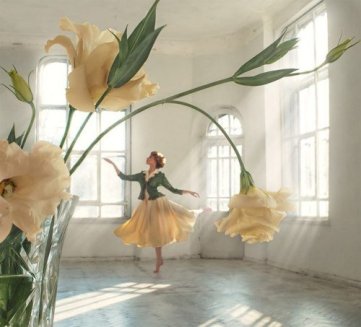
It has been said that life is the dancer, and we are the dance. In the Fine Arts, dancing is by far the largest physical expression of human expression. Alone, together or in a crowd, from head to toe in some enchanting and intended motion, we all move in a delightful conversation with our feet. Some may say we are born dancing and that we spend our lives in refinement of this dance, that we are expressing this at all times through gesture. How important and what great meaning there is in the gesture. How it reveals the state of the soul we are in at every moment. Dancing then dispatches the condition of the soul, confesses the state of mind, enlivens and moves the blood. It is the fine art of the human will.
Our Dance Teachers will teach individuals, couples and groups how to dance. The areas covered are, Ballroom Waltz, Warm-up Ballet, Baroque, Contra, Medieval, Regency, Renaissance, Tango. Victorian through Modern-1920.
.
Dance Schedule
Holiday Dances for Adults and Children:
Weekly Barn and Contra Dancing from St. John’s Tide through Thanksgiving. Picnic foods and stews will be served. (Excludes Festivals and Holiday Weekends).
New Year’s Eve Waltz, Late December. Full Formal Attire. Full Orchestra, Strauss, cakes, coffees, Champaign. Dances: Box Step, Foxtrot, Rumba, Waltz.
Mozart’s Masked Ball – Last Weekend in January. Classical and Baroque style costume and dress. There will also be parlor games and a treasure hunt. Dances: Allemande, Baroque, Cotillion, Contra, Minuet, Regency, Reel and the Montagues and Capulets.
Valentine’s Dance, Mid-February, Adults only – red, white, black, gold and silver attire, live orchestra, MOR music. Caviar, cheese, potato dill crackers, petite sausage, delectable chocolate dipped desserts, coffee, fine wine. Dances: Box Step, Foxtrot, Swing, Two Step, Tango, Waltz
Sadie St. Patrick President’s Day Dance, February 29th – March 17th. Irish Americana Dance. Dance History; lessons provided prior to the event. Irish strew, corn-beef and cabbage, soda bread. Broken Conversations Competition. This Holiday is a bit confusing, for it is three in one. Every Leap Year is the Sadie Hawkins Day Dance. The other three years in St. Patrick’s President’s Day Dance. The story behind this Celebration takes three years to complete.
Year 1. Fall From Heaven – Padraig and the Pagans.
Year 2. The Great Potato Famine.
Year 3. Irish in America.
Céilí: Virginia Reel, Square Dance, Quadrille, Caledonia, Three Step Jig.
May Pole Dance – May Day. Baker’s Club Goodies, Crêpes, Artists’ Tents. Spiral Maypole Dance
Blooms-Day – June 16 – 24 – Strawberry Lilac Dance (1910/20, Lá Bloom garb), followed by the reading of Ulysses on the steps. Strawberry lemon punch, along with lilac and rose custards, will be served. Dances: Cake Walk, Castle Walk, Foxtrot, Gallop, Mazurka, Two Step, Tango., Waltz,
.
.
History and Philosophy 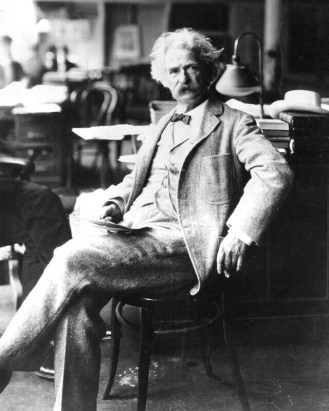
“Cogito, ergo sum.” -René Descartes
To know where you are headed, you have to know where you have been. History, Literature and Philosophy are the Trifecta, the Foundation, the Instruction Booklets to life. These Arts nourish the gift of reflection, something no other creature on earth can possess. One could argue this is why we were given the responsibility to be the stewards of the earth. On the other hand, one could say that is the silliest argument ever made, and on the other hand, it is the most and least important statement a human being can make.
Whence did I come, whither shall I go, and by what virtue?
Every month we celebrate the history of our culture.
In July, the month of Julius, we start with the Greeks and slide naturally into Rome during the month of Augustus. From there we move towards late Rome into September and the lives of the early Christians, pushing through to the Medieval era. In October, we cross the English Channel and explore the stories of the Druids and Celts. November finds us breaking bread and giving thanks. As we make our way into the darkness we look for a spark that will carry us on the path into Advent, as we travel the light grows ever brighter until it shines upon a door that opens to mystical and magical worlds. We are greeted by the faces of Janus who lifts the veil of time that has fallen into the spirit memory of myths and legends, fables and imagination, and the twilight of the Gods. When we return, fresh and renewed, a new birth gives hope, a Renaissance. This takes us down the path and to the threshold of Mars, past Reformation directly into Enlightenment. By April, we have set our foot upon the land, Aphrilis, where ever she steps seeds take root. We are then met by Maia the great mother of peace and beauty. She tells the tales of Struggle, of Labor and of Revolutions, the rising and casting of the seas of change, the building and destruction of great cities and societies. In this stead we find ourselves entangled by Juno, protector of the state, we have arrived in our time, disembarked in Modernity. Yet, we know ahead calling, calling, always calling is the future and into the future we bring with us all the lessons of our past and the richness of our inheritance.
Each month we have speakers and guests who touch on the history we are currently celebrating. Included are historical topics and biography of the philosophers and great thinkers of that period. What was it like to live during that time, what were the norms of society, their customs, foods, dress, their beliefs and social structures? We hope also to understand what part of the Western past our ancestors brought with them and then gasp a bit at the consciousness they experienced, for anyone riding to-and-fro in a cart to get around would have a difficult time understanding a rocket ship to the moon in our time, so too for us to understand their mindset and consciousness will one day be the struggle of a person living in the year 3000 trying to understand or experience ours.
These lectures and the series of lectures are like the story tellers of old, before daily papers and the 24-hour cable news it was people who went from village to village talking and singing about what once happened in far away distant places we now call our past.
We invite Guest Speakers from all over the world who are experts in their field of study and people who have dedicated their lives to uncovering our history from a variety of perspectives and points of view.
Before each lecture there is always music reflective of the time. Club Members who are oft’ dressed in the fashion and spirit of the time greet you at the door and usher you to your seat. Special consumable delights are also available, offered by the Baking Club, who focus on what would have been delectably delicious at any particular time and in any particular place.
Finally, there will also be books for sale by our Guest Speaker and a few recommended authors on the topics of Western History, Philosophy and Literature.
.
History of Philosophy Topics
Ancient Foundations
Introduction Birthplace of Philosophy and Democracy – The Greeks.
Origin, Minoan & Mycenaean Civilization (3000 BC – 1100 BC) Crete, frescoes, labyrinthine, palaces, tombs, Linear B.
Greek Archaic Period (800 BC – 400 BC) Birth of philosophy Draco, Solon, Cleisthenes, Thales, Pythagoras, Heraclitus. Polis system, sanctuaries., coinage, hoplite phalanx.
Greek Classical Age (c. 500–336 BCE): Athens, Sparta, philosophy, democracy, and empire-building .
Hellenistic Age (336–146 BCE): Alexander the Great spreads Greek culture; kingdoms fuse East & West.
Introduction Birthplace of Empire, Power and Authority – Roma.
Roman Republic (509–27 BCE): Expansion by senate and citizen-armies; law and civic virtue.
Roman Empire (27 BCE–476 CE West): Pax Romana, Christianity rises, empire stretches across Europe.
Rise Of Christianity
Late Antiquity (3rd–6th c.): Rome fractures; Christianity consolidates; Germanic invasions reshape the West.
Early Middle Ages (500–1000): Feudal kingdoms, monasteries, and Christendom; Charlemagne crowns a new “Roman” emperor.
High Middle Ages (1000–1300): Cathedrals, Crusades, universities, chivalry; the papacy at peak power.
Late Middle Ages (1300–1500): Crisis and transformation — Black Death, Hundred Years’ War, schism in the Church, rise of towns and trade.
Rise of Western Empires
Early Renaissance & Reformation – Italian Renaissance (c. 1350–1453): Byzantium Falls. Humanism, rediscovery of antiquity, and city-states leading Europe’s rebirth.
High Renaissances & Pre-Colonial Expansion (c. 1400s): Printing Press, Science Astronomy, Calendar, Portuguese and Spanish voyages push Europe toward the Atlantic world.’
Colonialism (1500–1700): Exploration, conquest, early overseas empires.
Absolutism (1650–1789): Louis XIV. Divine Right Of Kings — monarchs as living empires.
Fall Of Kings, Rise of Industry
Enlightenment Superstitions rejected, science and logic favored. Dawn of modern science.
Revolutions & Napoleonic Era (1789–1815): Absolutism ends, kings fall.
Industrial Age (1760–1870): Machine Technology reshapes power.
High Imperialism (1870–1914): Industrial empires expand.
Great Powers
Modernity (1914- Present) Moral decay, endless wars, the rise of Oligarchs & Plutocrats. Industry expands to technology.
.
Lecture Schedule
Spring Lectures: From The Restoration to Modernity. The History of Work: Fine, Practical and Skilled Arts. Labor and The History of Economic, Future Economics and Worker Relationships. The Healing Of Raphael and The Ushering in of Spring. Three-Fold Social Order – The Faustian Bargain and the Full Life.
Summer Lectures: American Resolution, French Revolution, The Olympics, Greco-Roman Theatre, The Roman Circus, Caesars & Empires, Late Rome through Early Christianity. First Harvest, Canning & Drying. Nature’s Zenith. The Judgement of Uriel and The Exaltation of Summer.
Autumn Lectures: Druids & Celts, The Dark Ages, Martinmas, Thanksgiving, Advent & The Early Saints. Mid to Late Harvest. From Darkness To Light, The Significance of Michaelmas and The Vigilance of Autumn.
Winter Lectures: The Light of The World, Great Mysteries and The Lifting of The Veil. From the Gothic Through The Renaissance. The Wisdom of Gabriel and The Quiet of Winter. February Farm Conference: Bio-Dynamic Farming, Animal Husbandry, Butterfly & Bee-Keeping, Perma-Forestry, Land Restoration.
.
.

Musical Arts
“Music is what tell us that the human being is greater than we know.” ― Napoléon Bonaparte
From a mother’s lullaby, to the Pan Flute and Lyre, to the Base Clarinet and Soprano Saxophone, the evolution of western music has been one of the most beautiful developments in the history of the western world. We open our doors to the people who have dedicated their lives to understanding and playing the ancient instruments from Greece to the Folk Art of Bluegrass, and to those dedicated musicians who enjoy the fundamental periods of the Baroque, Classical, Romantic and Impressionist composers. We invite them to coordinate with our Theatre Arts productions, express themselves during individual concerts, to create the atmosphere in our café and tearoom and take full advantage of our facilities as a place to practice their art and play in any corner or spaces we offer.
At the PEACH, we have both indoor and outdoor concerts for the members and the broader community to enjoy throughout the year. From September through June: Sight Reading is offered every Tuesday, 7:30PM – 9:30PM, for winds, brass and percussion. All intermediate level musicians and up are welcomed. Monday is Orchestra, 7:30PM – 9:30PM. All intermediate level musicians and up are welcomed. Open Choir meets Thursday, 7PM – 9PM.
Music Schedule
July
American Revolutions: Fife and Drum Corps, American Folk Singers, Banjo Cat and Fiddle d Dee, Concert Band Traditional Americana music. Bring a blanket, wine, crackers and cheese. Homemade Ice Cream, Italian Ice or Gelato will be available at the Co-Op or tearoom. Americana Fireworks
Bastille Day: Accordion, Concertina, French Folk Singers, Banjo Cat and Fiddle, JW Malaki and his Strolling Guitar, Uri Kai and his Hurdy-gurdy.
Greek Olympics, 3rd Saturday in July. Greco-Roman Theatre with Traditional Instruments, 4th Weekend in July or 1st weekend in August. – Aulos, Cornu, Lyre, Cymbala, Tympanum, Reeds.
August
The Assumption of the Virgin. August 14th – Vestal Singer, Chapel, Garden, Forest.
Ferragosto, August 15th. Concert Band on the patio, Italian Melodies, Family Picnic, Italian Ice.
September
Medieval Harvest Dinner and Play: Hunting Horn, Bugal, Trumpets, French Horns, Saqueboute, Hurdy-gurdy. Also check the Café and Tearoom for guest musicians.
October
Afternoon and Evening Playing Schedule: Pianist, KE Gieseking, JW Malaki and his Strolling Guitar. Also check the Café and Tearoom for guests musicians
November
Afternoon and Evening Playing Schedule: Pianist, KE Gieseking, JW Malaki and his Strolling Guitar. Also check the Café and Tearoom for guests musicians.
December
Advent: Pianist, KE Gieseking, JW Malaki and his Strolling Guitar, Uri Kai and his Hurdy-gurdy during fair and Oberufer Play. Also check the Café and Tearoom for guests musicians and holiday Music.
Christmas Plays: Pianist, KE Gieseking.
New Year’s Eve Ball: String Orchestra.
January
Sunday Afternoon at 2: Wind Ensembles and Sting Chamber Performances (check schedule).
Afternoon and Evening Playing Schedule: Pianist, KE Gieseking, JW Malaki and his Strolling Guitar. Also check the Café and Tearoom for guests musicians.
Mozart’s Masked Ball: Wind and Chamber Music.
February
Renaissance Theatre: The Scottish Play.
Couple’s Valentine’s Day Dance: DJ, MOR. Uri Kai and his Hurdy-gurdy.
March
Sadie St Patrick’s President’s Day Dance: Banjo Cat and Fiddle and the Irish Shakers.
April
Afternoon and Evening Playing Schedule: Pianist, KE Gieseking, JW Malaki and his Strolling Guitar. Also check the Café and Tearoom for guests musicians.
May
May Day: Banjo Cat and Fiddle.
Afternoon and Evening Playing Schedule: Pianist, KE Gieseking, JW Malaki and his Strolling Guitar. Also check the Café and Tearoom for guests musicians.
June
Strawberry Lilac Dance: Ragtime and Victorian Style Music, Pianist, KE Gieseking.
Shakespeare On The Terrace: A Midsummer’s Night Dream.
Afternoon and Evening Playing Schedule: Pianist, KE Gieseking, JW Malaki and his Strolling Guitar. Also check the Café and Tearoom for guests musicians.
Siegfried’s Idyll – Performed annually at the June meeting before the Guardian’s speech, Siegfried’s Idyll is a cornerstone of the PEACH Community’s musical tradition. Composed by Richard Wagner as a private celebration of love and home, its delicate string textures evoke harmony, renewal, and domestic joy. The 1st violin of the chamber orchestra introduce the piece, highlighting its significance: a reflection of the community’s values — love, creativity, skill, and the quiet beauty woven into our daily lives. Members and guests alike are invited to listen with attention, allowing the music to set the tone for the year ahead.
.
Musical History & Concepts
Early Music Forms
Gregorian Chants – 9th c and 10th c
Medieval Modes – Ionian, Dorian, Phrygian, Lydian, Mixolydian, Aeolian , Locrian.
Gregorian Chant
Dates: c. 800–1000 (used 1400–1600). Geography: Western Europe (Rome, France). Nations: Papal States, Frankish Empire. Key Details: Monophonic sacred songs in Latin, standardized under Pope Gregory I (c. 590–604). Used in Renaissance liturgy, influencing polyphony. Creator: Attributed to Pope Gregory I. Quip: “Gregory’s chants: monks singing so holy, even angels took a knee!”
Medieval Modes
Dates: c. 900–1600. Geography: Europe (Italy, France). Nations: HRE, France. Key Details: Scales (Ionian, Dorian, Phrygian, Lydian, Mixolydian, Aeolian, Locrian) shaped sacred and secular music. Renaissance composers like Josquin used modes for emotional depth. Creator: Evolved from Greek theory, no single creator. Quip: “Modes: the Renaissance playlist for every mood, from pious to party!”
Polyphony
Dates: c. 1200–1600. Geography: France, Italy, Netherlands. Nations: France, HRE. Key Details: Multi-voice music, layering melodies. Perfected by Josquin des Prez (c. 1450–1521) in masses like Missa Pange Lingua. Defined Renaissance sacred music. Creator: Developed by Leonin, Perotin (12th c.), refined by Josquin. Quip: “Polyphony: when choirs juggle melodies like Renaissance acrobats!”
Intervals
Dates: c. 1400–1600. Geography: Europe (Italy, England). Nations: Papal States, England. Key Details: Distances between pitches (e.g., thirds, fifths) structured Renaissance harmony. Composers like Palestrina used consonant intervals in sacred music. Creator: No single creator; codified by music theorists. Quip: “Intervals: the musical stairs Renaissance composers climbed to heaven!”
Rhythm
Dates: c. 1400–1600. Geography: France, Netherlands. Nations: France, HRE. Key Details: Renaissance rhythm used mensural notation, allowing complex patterns in madrigals and masses. Josquin’s works showcased syncopation. Creator: Evolved collectively, no single creator. Quip: “Rhythm: Renaissance beats so catchy, even monks tapped their feet!”
3/4 Trinity
Dates: c. 1400–1600. Geography: Western Europe. Nations: France, England. Key Details: Triple meter (3/4 time) symbolized the Holy Trinity in sacred music. Used in dances (e.g., pavanes) and masses. Creator: No single creator; tied to Church tradition. Quip: “3/4 time: three beats for Father, Son, and Holy Ghost!”
Harmony
Dates: c. 1400–1600. Geography: Italy, Netherlands. Nations: Papal States, HRE. Key Details: Combining pitches into chords, harmony enriched polyphony. Palestrina’s masses (e.g., Missa Papae Marcelli) balanced clarity and richness. Creator: No single creator; advanced by Palestrina. Quip: “Harmony: Renaissance chords so sweet, they hugged your soul!”
Counterpoint
Dates: c. 1400–1600. Geography: France, Italy. Nations: France, Papal States. Key Details: Interweaving independent melodies, perfected in polyphony. Josquin and Palestrina mastered strict counterpoint in sacred music. Creator: Codified by Tinctoris (c. 1477), practiced by Josquin. Quip: “Counterpoint: melodies dancing together without stepping on toes!”
Chords
Dates: c. 1400–1600. Geography: Europe (Italy, England). Nations: Papal States, England. Key Details: Simultaneous notes forming harmony, used in masses and madrigals. Palestrina’s works emphasized triads. Creator: No single creator; evolved in polyphony. Quip: “Chords: Renaissance music’s secret sauce for heart-tugging tunes!”
4/4 Nature
Dates: c. 1400–1600. Geography: Western Europe. Nations: France, HRE. Key Details: Common time (4/4) provided a “natural” pulse for secular and sacred music, used in dances and masses. Creator: No single creator; standard in mensural notation. Quip: “4/4: the beat so natural, even trees swayed to it!”
.
Musical Patterns
Dies Irae. Dates: c. 1200–1600. Geography: Western Europe (Italy, France). Nations: Papal States, France. Key Details: A medieval chant for requiem masses, symbolizing death’s judgment. Attributed to Thomas of Celano (c. 1250), its haunting melody influenced Renaissance composers like Josquin in sacred works. Quip: “Dies Irae: the grim reaper’s favorite Renaissance earworm!”
Sol Motif Dates: c. 1400–1600. Geography: Europe (Italy, England). Nations: Florence, England. Key Details: Bright major modes (e.g., Ionian) or solfege “Sol” evoked the sun’s warmth in secular music, like Monteverdi’s madrigals. No single creator; rooted in modal traditions. Quip: “Sol: Renaissance rays to brighten any poet’s day!”
Proposed Briefs – Music and Literature
To build on Musical Patterns and your tea room’s epic poetry focus, I propose 4 1* briefs: 2 for Music (motif-driven works) and 2 for Literature (epic poets), tying to Dies Irae, Sol, Epic Poetry, and Renaissance Literary Humanism.
Requiem Mass – Event, Music
Dates: c. 1400–1600. Geography: Italy, France. Nations: Papal States, France. Key Details: Sacred music for the dead, featuring Dies Irae. Composers like Ockeghem and Palestrina crafted polyphonic requiems, blending solemnity with hope. Quip: “Requiem Mass: sending souls off with a polyphonic bang!”
Orlande de Lassus – Figure, Music
Full Name: Orlande de Lassus. Born: c. 1532, Mons, Hainaut. Died: June 14, 1594, Munich, Germany. Parents: Unknown. Siblings: Unknown. Spouses: One (first: de Monte). Most Memorable Accomplishment: Composed over 2,000 works, including motets with Sol-like brightness (c. 1570s). Quip: “Lassus’s tunes: sunshine in every sacred note!”
Torquato Tasso – Figure, Literature
Full Name: Torquato Tasso. Born: March 11, 1544, Sorrento, Italy. Died: April 25, 1595, Rome, Italy. Parents: Bernardo Tasso, Porzia de’ Rossi. Siblings: Cornelia. Spouses: None. Most Memorable Accomplishment: Wrote Jerusalem Delivered (1581), an epic poem echoing Homer. Quip: “Tasso’s epics: crusaders and muses in poetic armor!”
Renaissance Epic Poets – Event, Literature
Dates: c. 1400–1600. Geography: Italy, England. Nations: Florence, England. Key Details: Poets like Tasso and Ariosto revived epic forms, drawing on Homer and Boccaccio, using musical motifs like Sol for heroic themes. Quip: “Epic poets: spinning yarns grander than a lyre’s strum!”

.

.
Musicians
Anonymous Chants * (Event, Music)
Dates: c. 900–1600. Geography: Western Europe. Nations: Papal States, HRE. Key Details: Anonymous monks composed devotional chants like Gregorian Chant and Dies Irae, used in Renaissance liturgy, expressing acts of devotion. No single creator. Quip: “Anonymous chants: monks’ secret hits for the divine playlist!”
Church and Royalty Patronage * (Event, Music)
Dates: c. 1400–1600. Geography: Italy, France. Nations: Papal States, France. Key Details: Popes and kings funded composers like Machaut and Lassus, supporting sacred and secular music, from masses to courtly songs. Quip: “Church and kings: bankrolling bangers for choirs and feasts!”
Pope Gregory the Great * (Figure, Music)
Full Name: Gregory I. Born: c. 540, Rome, Italy. Died: March 12, 604, Rome, Italy. Parents: Gordianus, Silvia. Siblings: Palatinus. Spouses: None. Most Memorable Accomplishment: Standardized Gregorian Chant (c. 590), shaping Renaissance sacred music. Quip: “Gregory’s chants: so holy, they echoed to the Renaissance!”
Hildegard von Bingen * (Figure, Music)
Full Name: Hildegard von Bingen. Born: c. 1098, Bermersheim, Germany. Died: September 17, 1179, Bingen, Germany. Parents: Hildebert, Mechthild. Siblings: Seven, including Rorich. Spouses: None. Most Memorable Accomplishment: Composed Ordo Virtutum (c. 1151), a liturgical drama, influencing Renaissance sacred music. Quip: “Hildegard’s tunes: divine visions with a medieval groove!”
Secular Music * (Event, Music)
Dates: c. 1400–1600. Geography: France, Italy. Nations: France, Florence. Key Details: Non-sacred music, like Troubadour songs and Machaut’s ballades, used Medieval Modes for love and heroism, rivaling church music. Quip: “Secular jams: Renaissance love songs outshone monks’ drones!”
Troubadour Tradition * (Event, Music)
Dates: c. 1100–1600. Geography: Southern France, Italy. Nations: France, HRE. Key Details: Troubadours like Bernart de Ventadorn sang courtly love songs, influencing Secular Music and Renaissance madrigals (Monteverdi). Quip: “Troubadours: serenading knights with more heart than armor!”
Guillaume de Machaut * (Figure, Music)
Full Name: Guillaume de Machaut. Born: c. 1300, Reims, France. Died: April 13, 1377, Reims, France. Parents: Unknown. Siblings: Jean. Spouses: None. Most Memorable Accomplishment: Composed Messe de Nostre Dame (c. 1360), a polyphonic masterpiece. Quip: “Machaut’s mass: polyphony so slick, it dazzled cathedrals!”
Gioseffo Zarlino * (Figure, Music)
Full Name: Gioseffo Zarlino. Born: January 31, 1517, Chioggia, Italy. Died: February 4, 1590, Venice, Italy. Parents: Giovanni Zarlino, unknown mother. Siblings: Unknown. Spouses: None. Most Memorable Accomplishment: Wrote Le istitutioni harmoniche (1558), codifying Renaissance music theory. Quip: “Zarlino’s theory: tuning Renaissance music to cosmic perfection!”
Instruments
Bow Lyra to Fiddle *
Dates: c. 1100–1600. Geography: Western Europe (Byzantium, France). Nations: HRE, France. Key Details: The bow lyra, a Byzantine bowed string instrument, evolved into the Renaissance fiddle, used by Troubadours for secular songs, blending Medieval Modes. No single creator. Quip: “Bow lyra to fiddle: serenading from empires to taverns!”
**Lute to Gittern *
Dates: c. 1200–1600. Geography: Spain, Italy. Nations: Spain, Florence. Key Details: The lute, a plucked string instrument, influenced the smaller gittern, popular in Renaissance courts for Secular Music, accompanying Machaut’s ballades. No single creator. Quip: “Lute to gittern: plucking heartstrings for Renaissance romantics!”
**Hammer Dulcimer *
Dates: c. 1400–1600. Geography: Middle East, Europe. Nations: Persia, HRE. Key Details: A trapezoidal stringed instrument struck with hammers, the hammer dulcimer added bright tones to Renaissance ensembles, echoing Sol motifs. No single creator. Quip: “Hammer dulcimer: striking sunny vibes in every note!”
**Hurdy Gurdy *
Dates: c. 1100–1600. Geography: France, Spain. Nations: France, Spain. Key Details: A stringed instrument with a crank-turned wheel, the hurdy gurdy droned for Troubadour songs and dances, blending sacred and secular. No single creator. Quip: “Hurdy gurdy: the medieval DJ spinning Renaissance beats!”
**Valve Trumpets *
Dates: c. 1800–1918. Geography: Germany, France. Nations: HRE, France. Key Details: Early valve trumpets (c. 1814) by Heinrich Stölzel expanded brass range, used in Romantic and WWI military bands, adding fanfare. Quip: “Valve trumpets: blowing bold notes from war to waltzes!”
**Variety Percussions *
Dates: c. 1400–1918. Geography: Europe, Middle East. Nations: Florence, Ottoman Empire. Key Details: Drums, tambourines, and cymbals drove rhythms in Renaissance dances and WWI marches, complementing Lassus’s motets. No single creator. Quip: “Percussions: banging out beats from courts to battlefields!”
Bow lyra to the fiddle
Lute to the Gittern
Hammer Dulcimer
Hurdy Gurdy
Valve Trumpets
Variety Percussions
.
.
.
.
Painting Arts
“Good artists copy; great artists steal.” -Pablo Picasso
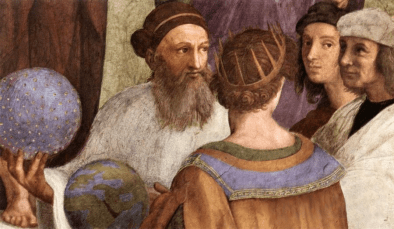
The History of Western Art has traveled a long and arduous path. Painting is indeed the truest expression of a lie. The talent requires great skill, divine wisdom, a conversation with a muse or the revelation and the secrets of the soul. Some believe the zenith and last authentic painting ended with the realists. Others blame the camera and the scientific age for the Impressionist. Salvador Dalí said that he was the last great living artist. Regardless, what an incredible and long and evolving cultural history we have when it comes to the dedication and discipline of this particular finest of arts.
Anyone can paint. It’s really build into our culture. How this ability is drawn out is a different matter. This is why we offer so many styles and materials: oil, plant watercolors, tempera, gouache, pastels, affresco, and encaustic. Each season, we focus on certain sets and disciplines. Each genre has its own temperament and applied skill is built up over time, and like everything else in the arts practice, practice, practice. If you’re a seasoned painter or never picked up a brush, there is a calling for you in this art.
In the winter and spring we focus on watercolor, in summer and fall oil painting. In-between we work with other mediums for different projects, this is when we introduce tempera, affresco, gouache, pastels and encaustic painting materials. We use these other materials and method once people have a feel for painting with watercolor and oil. There are very distinct differences in skill, time and labor, but there’s no hurry. Some have asked why we do not include acrylic painting. It is not that we look down our noses at acrylics, but the medium didn’t come into being until the 1940s, and we stop at the 1920s. This does not mean we forbid acrylic painting, on the contrary, some people are allergic or sensitive to oils it is a wonderful alternative as are the newer water based oils. What we are trying to achieve here is to allow our members to get an authentic feel of the materials that were used by our ancestors so that we can pass these mediums down and preserve this part of our culture. Most of the paints are plant and mineral based, and we will go through the process of making our own pigments. If you ever struggled with chemistry, this is a wonderful way to enjoy the science. You’d be surprised at the gifts that come out of the natural world, not to mention painting using pigments with water from rivers and lakes, One of the most enjoyable parts of painting is to lose all sense of time. Some find painting to be a meditative process, while others find it to be a thrill with each stroke of the brush. I have never met a person who did not find a calling in one area or another working with this Fine Art.
Hilma af Klint Art Building
Painting Schedule
Spring: Watercolor, Pastels
Summer: Oil, Gouache
Autumn: Oil, Alfresco
Winter: Watercolor, Encaustic, Decorative
.
.
.
Photography and Film
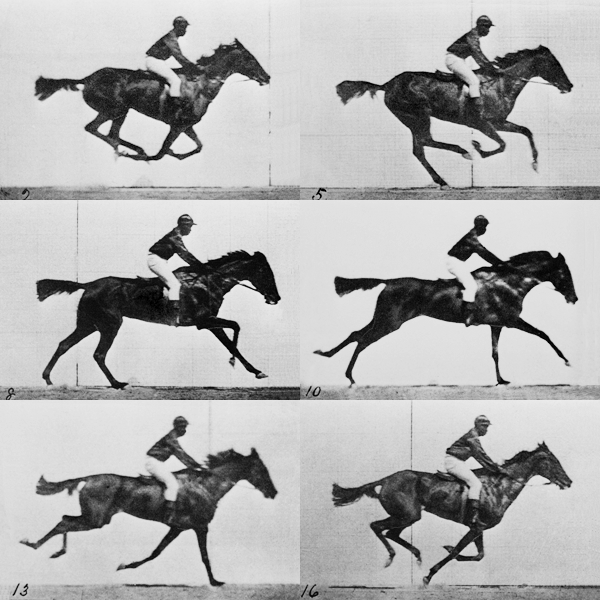 “Life is like a camera, focus on what’s important, capture the good times, develop from negatives and if things don’t work out take another shot.” -anonymous
In the Photography and Film Club, we work with several methods in this visual arts. The old box camera that we construct ourselves. A standard Pentax B&W, which the film is developed in our dark room, and we offer for purposes of the newsletter digital, using it for utilitarian needs only. Fine works produces by members will be matted, framed and placed in the Photo & Lotte Gallery. The Photography club will meet bi-monthly to talk about their prints and share tips and tricks in the dark room.
Aside from the combustion engine, the development of the camera and the projector are the height of technology for the time. Though we touch on the basics and development of moving pictures, it is a very extensive and expensive process to do today what Louis Le Prince and Thomas Edison actually created in the late 1800s. We have decided to jump into the future and have chosen to use the Super 8 mm camera as a learning and teaching tool. In the Film Club, the focus is to understand the history of film making. There are the skilled mechanical aspects, but the areas of concentration in this genre are story telling, settings and lighting. Budding film makes knows what they want to create and part of the Film Club is attending premieres and offering support, but the focus in general is to understand composition, depth of field, value through lighting, ambiance and editing, the skills needed to create an actual film.
The Second part of the Film Club is to watch the works of other filmmakers on the big screen, to learn and discuss the techniques with other like minds. From silent films, early talkies, artistic and experimental works, to the great and grand epics. These are just some wonderful jewels and a legacy handed down to us from our predecessors.
The Film Club will also take part in the Friday Evening Movies, Saturday Matinée, Saturday & Sunday Evening Feature Films. From great opera performances and historical films on the topic of Western Civilization, Art House, Experimental and Film Noir will be presented in the theater hall. Each film will be presented with a brief history and short lecture by our resident film scholar. Popcorn, Hansen Sodas and bottled water will be available.
List of Films:
Film & Photography Schedule
Spring: Build A Box. 1840 Basics Film Development, History of Photography. Friday Night and Saturday Film Matinée.
Summer: The 8 mm, Studio Time. French Film Festival.
Autumn: Pentax B&W, Advance Film Development. Friday Night and Saturday Film Matinee, Film Festival.
Winter: Digital & Computer, Basics in Digital Photography. Friday Night and Saturday Film Matinée.
.
.
Theatre Arts
Plays will be coordinated with the monthly calendar. We hope to acquire a solid repertoire of works that reflect a particular period in our heritage and history that offers the greatest meaning, capturing the cultural atmosphere and transporting the actors and audience back in time. Our goal is to invite experts in the area of the theatre arts for each period, thus remaining true to the simplicity and authenticity of the theatrical art form.
In the theatre, there is a story and speaking parts, but all the arts are tied into the theatre. Music creates the atmosphere, the sewing, mending and design of the costumes, the visual arts that create the stage sets, dancing as an interlude or part of the play, and of course, lighting. This sets up the three walls of the theatre, the audience sits behind the 4th. Yet, on occasion, they are invited in. Some plays at the PEACH are performed every year while others are cycled through the seasons and series. Some plays are written by members of the Writer’s Club or those involved in the Theatre Club. There are occasional workshops given by invited guests and productions from outside our community.
We are currently working on building a traditional Greek theatre modeled after the “Theatre of Epidaurus” with live acoustics so that speakers will be heard without the use of electron amplification
Theatre Schedule
Spring: St Patrick (3 years cycle), Ulysses -On The Steps.
Summer: Midsummer’s Night’s Dream, The French Revolution- The Crown. Play, Greco-Roman Theatre, Roman Circus.
Autumn: St George And The Dragon, Children’s Fairy Tale & Puppet Theatre.
Winter: Oberufer, Chaucer to Shakespeare, Theatre Workshops.
List of Plays
The Thirty-Nine Steps – Buchan
Pygmalion – Shaw
Devil and Daniel Webster [All that money can buy] – Benet
Picture of Dorian Gray – Wilde
History of Theatre
I. Ancient Foundations
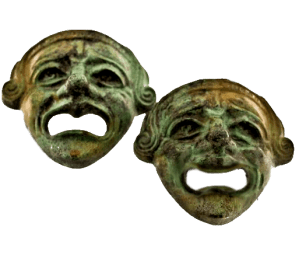
Theatre began in Greece during the 5th-century BC. This art emerged from Dionysian festivals as a formalized performance of tragedy and comedy. Key playwrights such as Aeschylus, Sophocles, Euripides, and Aristophanes explored moral, civic, and human themes. Greek theatre introduced ageless principles, including the order of time, place, and action, and the concept of theatre as a shared ritual.
The Romans adapted Greek forms for popular entertainment, producing comedies, farces, and tragedies – Plautus, and Terence, Greek New Comedy, while Seneca concentrated on Roman Tragedian and Stoic Philosophy. Roman theatre emphasized spectacle, stereotypical characters, and large-scale staging, leaving a lasting imprint on European dramaturgy.
II. Medieval
As Rome faded, theatre largely disappeared from public life. Liturgical dramas, morality plays, and pageants emerged under Church supervision, blending religious instruction with performance. Secular forms, including folk plays and farces, continued in villages, preserving basic performance traditions.
III. Renaissance
During the Renaissance there was a revival, a renewed interest in classical forms. In Italy, commedia dell’arte and court theatre flourished, combining improvisation with recognizable characters. England saw the flowering of Elizabethan and Jacobean drama, with figures like Shakespeare, Marlowe, and Jonson. Across France and Spain, court-sponsored drama codified rules, emphasizing decorum and classical ideals, setting the stage for Neoclassicism.
IV. Neoclassical and Restoration Theatre (c. 1660–1750)
France formalized Neoclassical rules: the three unities, strict separation of comedy and tragedy, and decorum guiding character behavior. Playwrights like Corneille, Racine, and Molière exemplified theatre as moral and civic education; England, following the Restoration (1660), reopened theatres after the Puritan ban. Restoration comedy of manners playwriters Wycherley and Congreve satirized aristocratic life, while heroic tragedies dramatized political and moral questions. Innovations included indoor theatres, proscenium stages, and the introduction of actresses.
V. 19th Century and Pre-WWI Theatre
Romanticism and realism reshaped theatre across Europe. Ibsen, Chekhov, and Shaw emphasized psychological depth and social critique. Opera, ballet, and classical theatre remained vital, but urbanization and industrialization expanded audiences. Theatre before WWI was largely structured, elitist, and geographically confined, though popular entertainments like vaudeville and music halls reached a broader audience.
VI. Post-WWI Theatre and Entertainment (1920s)
After The Great War, Nationalism began to find its way into the Arts. Across the Western world, theatre and performance have split into divergent paths: experimental, ideologically charged theatre in revolutionary contexts; urban, socially critical cabaret in Europe; and mass, commercially driven cinema in the USA. This postwar landscape reflects both the ruptures of WWI and the seeds of modern entertainment culture soon to come.
In Germany (Weimar Republic), Cabarets and avant-garde theatre thrived in Berlin, blending satire, political commentary, and experimental performance. Brecht and Kurt Weill pushed theatre toward social engagement.
France: Urban revues, cabarets, and experimental stage work reflected modernist aesthetics, offering artistic spectacle and popular entertainment. The Années folles, rise of jazz and American culture, fueled a thriving nightlife of clubs and cabaret. After a great fire in 1915, by 1925 the Moulin Rouge reopened and the controversial Folies Bergère became more controversial. The era also featured avant-garde theater and dance with performances at the Théâtre des Champs-Élysées, alongside innovative French cinema, an impressionist movement, and the emergence of surrealist filmmakers.
Russia (USSR): The Moscow Art Theatre revised its approach under revolutionary influence; Stanislavski adapted realism for a new social mission, while Meyerhold advanced constructivist and agit-prop experimentation. Theatre became both ideological and artistic.
USA: Silent films became the dominant mass entertainment, creating a new cultural medium that eclipsed traditional theatre for many audiences. Hollywood’s rise established film as a major global force, shaping narrative, performance, and spectacle.
.
.
.
.
.
.
.
.
.
.
.
.
.
.
.
.
.
.
.
.
.
.
.
.
.
.
.
.
.
.
.
.
.
.
.
.
.
.
.
.
.
.
.
.
.
.
.
.
.
.
.
.
.
.
.
.
.
.
.
.
Living Pan-European and American Cultural and Heritage Community Center
Old Links

.
EMAIL: peachcommunity yahoo.com
.
.
.
.
.
.
.
.
.
.
.
.
.
.
quicklinks
 PEACH COMMUNITY