
.
.
.
SEPTEMBER
.
.

.
.
SEPTEMBER [TBC] – Summary of the complete page harvest]
Ah, September! September is the harvest month — nature’s great exhale after the abundance of summer. The community returns from vacation, the studios and clubs reopen, and the rhythm of autumn begins. The second and largest harvest of the year is underway. Canning, drying, preserving, and cleaning up fill the weeks between Labor Day and Michaelmas. The Autumnal Equinox marks the turning, and the Medieval Harvest Dinner & Festival closes the month in celebration. Welcome back!
Everything is ripening on the vine, the trees and the trellis. Farm and garden fresh. Is there anyone alive who has never picked a tomato from the vine and either sliced it thin with a sharp knife for a delicious grilled cheese sandwich, or simply ate the tomato like an apple. The sad thing is fewer and fewer people have that experience. At the PEACH breakfast, lunch, and dinner are not only affordable, every meal is delicious.
.
.
.
 Early Christianity through Early Medieval
  [TBC Summary of the history w/ link]
Throughout September, October, November, and December, many of the events and topics in the lecture series cover pre-Christian Celts as it seeps into Rome, developing what is known as the Medieval Period. Often called the Dark Ages, we experience this darkness during the seasonal changes, as nature falls asleep into winter.
From the establishment of the Roman Catholic Church, Christendom spread into the South and Western edges of the Roman Empire. With the crowning of Constantine the Great, 310 AD, he became the first Christian Emperor of Rome, creating what we now know as the Holy Roman Empire. As the power of Rome began to fall, in 376, the Celtic Barbarians defeated Rome once and for all. Yet, despite Rome’s defeat Theodosius The Great, 379 AD to 395 AD, emerged as Emperor of Rome. He solidified Christianity, pushing forward Constantine’s dream of making Constantinople the seat of Christendom. His religion spread seeping throughout all the Celtic lands, thus converting the Barbarian tribes in the north to Christianity.
.
Roman Empire, Classical Antiquity – Early Christianity 1 – 400AD
PAX Romana
The Pax Romana (Roman Peace) began in 27 BC, initiated by the reign of Augustus (Octavian) after he became the first Emperor of Rome, and lasted for approximately 200 years until 180 AD. This period of stability was characterized by relative peace, economic prosperity, and reduced civil conflict throughout the Roman Empire.
PAX Romana Initiation – In 27BC, Octavian’s rise and victory in the civil wars granted him the title Augustus, marking both the start of the Pax Romana and the birth of the Empire. In 29BC Augustus famously closed the Gates of Janus which was a symbol of peace and mark the cessation of wars. Augustus utilized propaganda to emphasize stability, order, and a shift away from constant expansion, which established the Pax Augusta. This period is considered to have ended with the death of Marcus Aurelius in 180 CE, followed by the reign of Commodus.
.
.

.
.
.
HISTORY.
Cultural & Historical Foundations Outline – Early Christianity & Medieval Transitions
Decline of Rome and The Rise of Christianity and the Byzantium
The Gradual Fall and fading of Rome 14BC – 376
In the historical lecture series, we briefly cover the height of Rome – 70 AD, followed by the slow fade and conversion of the Pagan Empire to Christendom. What caused the Fall of Rome? Many things, the endless wars, and conflicts, the deaths of many Caesars, the corruption and the battles for power within the Roman Legions, until the rise of Odovacar, the Germanic Barbarians, when in 376 AD they united with all the Celtic Tribes and put the Roman Military Empire at last to rest. This was the Battle of Marcianople – the Gothic Wars 376AD -382AD
.
Height and Gradual Decline of the Roman Empire (c. 14 BC – 3rd Century AD)
Pax Romana peak and early cracks (c. 14 BC – 180 AD)
Persecutions and Christian Resilience (c. 64–313 AD)
Barbarian Pressures and the Fall of the Western Roman Empire (c. 376–476 AD)
Final – End Of Rome (or is it?)
Byzantine Preservation and Transition to Medieval Christendom (c. 395–600 AD)
.
The Beginning of the End
Persecutions and Christian Resilience,64–313 AD.
The End of Classical Rome
Constantine’s Conversion.
Byzantine Preservation (c. 395–565 AD)
.
Knowledge & Faith – Constantinople, New Rome
Justinian I. 527–565 AD – Reconquests, legal code, Hagia Sophia; closes pagan schools, ends ancient mysteries—sealing classical era while safeguarding knowledge through monasteries.
Late Roman Decline & Fall (c. 376–568 AD)
Christian Triumph & Preservation (c. 313–600 AD)
Byzantine East preserves Roman law, learning, and faith Justinian I, 527–565 AD: Hagia Sophia, comprehensive legal code.
Byzantine Continuity: Eastern Empire safeguards Roman/Christian heritage, influencing Western revival.
.
Regional Kingdoms & Daily Life (c. 600–800 AD)
Monastic expansion: Irish monks (e.g., Columbanus, d. 615 AD) found monasteries across Europe, preserving classical texts. copying manuscripts and evangelizing—key preservers of knowledge. Village life: Shift to manorial system, three-field rotation, heavy plough—slow agricultural recovery.
Key Cultural Pillars Monastic Light: Irish and Continental monasteries beacons—preserving classical texts and faith amid instability.
Anglo-Saxon England forms heptarchy kingdoms
Saxons; legends begin forming in oral tradition (no contemporary records).
Carolingian revival starts ~800 AD with Charlemagne.
Romans/Christianity centuries earlier); lingering folk beliefs influence early medieval myths.
Harvest Reflection: Equinox balance mirrors old world yielding to new; canning knowledge. preserved in faith/scriptoria—ready for medieval winter. From Lombard dusk to monastic and Byzantine dawn, September reflects quiet preservation: Roman light safeguarded for the coming centuries—harvested wisdom awaiting
.
The Middle Ages
I. The Early Middle Age, 400 AD – 1000 AD. Also considered part of the Dark Ages and the establishment of Christianity and the formation of Western and Central Europe.
II. The High Middle Ages, 900 AD – 1250 AD. The embracing of Feudalism. The Emergence of Kings and Queens.
III. The Late Middle Ages, 1300 AD – 1500 AD. Ushering in The Age of Discovery and The Renaissance, New Birth.
.
Byzantine – Romaioi Empire through the Dark Ages – New Rome
Theodosius I, Theodosius the Great 347 – 395.
Biography – Augustine’s 354–430 AD Life and Theology
Justinian I, – Justinian the Great 482- 565
.
The Goths Barbarians – Dark Ages- Vandals, Visigoths, Franks all against the Romans
376 – Gothic migrations into Roman territory; Valens admits them
378 – Battle of Adrianople Roman defeat.
410 – Sack of Rome by Visigoths under Alaric.
455 – Sack of Rome by Vandals.
466 – Clovis476 – Fall of the Western Roman Empire – Romulus Augustulus – 461-511, deposed by Odoacer – 433-493
463 –Who were the Franks?
493 – Theodoric consolidates Ostrogothic rule in Italy.
568 – Lombard invasion fragments Italy further.
600 – Pepin of Herstal 635 – 714
Martel 688 – 741
Pepin the Short – 714 – 768. King of the Franks. First Carolingian to become king.
Charlemagne – 748 – 814 [See November]
.
.
.
.
.
.
 Parsifal
The Question of The Grail
The Holy Grail was the chalice used by Christ Jesus at the Last Supper. This was his last meal with the Apostles in his human material form before he was arrested, crucified, and suffered his earthly death. At this meal, the bread represented his spiritual body and the wine his spiritual blood. “Do This In Memory Of Me.”
When he was crucified on the cross, a Roman soldier took his spear, stabbing him in the side. As the blood flowed from his body to the earth, Joseph of
Arimathea placed the chalice under the wound to collect the spiritualized blood. As the blood flowed from the wound and touched the ground, the earth
shook, was consecrated and spiritualized with the blood of The Christ. The significance of this act was the fulfillment of the new covenant, redemption for man, and the forgiveness of sin, the promise of eternal salvation fulfilled.
The blood Joseph collected in the chalice became known as The Holy Grail. The Spear that pierced his flesh, releasing the spiritualized blood, was called, The Spear of Destiny. However, both the cup and the spear have a much longer history and connection, which is discussed during the month of Great Mysteries in January, and during the Easter Lectures.
“If unfaith in the heart find dwelling, then the soul it shall reap but woe; And shaming alike and honour are his who such doubt shall show, For it standeth in evil contrast with a true man’s dauntless might, As one seeth the magpie’s plumage, which at one while is black and white. And yet he may win to blessing; since I wot well that in his heart, Hell’s darkness, and light of Heaven, alike have their lot and part. But he who is false and unsteadfast, he is black as the darkest night, And the soul that hath never wavered stainless its hue and white!.” – Wolfram von Eschenbach
There are 16 books of the Medieval tale by Eschenbach. The rendition below is based mostly on Wagner’s Parsifal, which is taken from several sources, including Eschenbach. The important parts of each version are woven together in this retelling. However, what the poem is remembered for is the question of compassion. In the version by Eschenbach, the question is asked, “What ails thee my King?” In Wagner’s version, he approaches the question with the cure. “How do I heal thee, my King?” In the following version, we see a little of both. Many of Eschenbach’s Parsifal adventures were used by Wagner in his Opera, Tristan and Isolde. Much more information is shared during the month of January in Great Mysteries and during the Easter Lectures. I contend that the mysterious voice, the messenger, is the swan.
Self-Renunciation, Reincarnation, Compassion
Over time, many wondered, what happened to the Holy Grail that once held the spiritualized blood of Christ? As legend tells us, the chalice and weapon were removed, taken up into the region high above the skies, and kept and preserved by the angels. When the Holy Grail and Spear of Destiny were taken from the physical world, man’s spiritual sight diminished; the thaumaturgic abilities that were passed down from the ancients began to fade. The mysteries of blood and folk, knowledge of the stars, and the antediluvian healing powers gradually began to fade. In their place grew abstract thinking, independence, along with reliance upon the material world for healing.
However, the ancient knowledge and the great mysteries still existed in some individuals; through dreams and visions, these men were called Initiates. One such Initiate was King Titurel, The Nobel. Bestowed upon him were visions of the Holy Grail, the cup that gives everlasting life. The heavenly angels charged him with keeping both the Holy Grail and the Spear. His vocation was to build the Holy Grail Temple and found its Protectors. They became known as The Order of Knights of the Holy Grail.
In Northern Spain, on Montsalvat he began his mission. He built the Temple on the Christian side of the mountain. A mist surrounded the land, the trees and sloped hills hid a Temple that lay behind the clouds. The gardens and wood were rich with all manner of plants and animals, which spoke to all who lived there. None lived in fear. In the center were The Solemn Order of the Knights of the Holy Grail, guardians of the Temple, protectors of the Holy Grail and Spear of Destiny. They took an oath of chastity, devotion and gave their lives fully to Christ.
Every day, King Titurel, The Nobel, would serve the mass. When it came time to honor and celebrate the sacraments, the Holy Grail would be lifted and cast the radiance of a violet light from the heavens above, a dove would descend over the head of King Titurel, The Nobel. As he prepared, received and served the host of everlasting life to the Order, all would be rejuvenated and feel the greatest reverence for the deeds of the Lord.
Furthermore, The Knights believed that it was decreed by the angels that one day, when King Titurel, The Nobel, was ready to ascend into heaven, this duty and honor of the mass would be passed on to his son Amfortas, The Fisher King.
 There were many men who joined the Order, but not all were accepted. One in particular, was a Renegade Knight known as Klingsor. He wanted to be a Knight that serve the Holy Grail, but he failed to remain chaste. In a rage of self-anger and disappointment, he castrated himself, but King Titurel, The Nobel still rejected him as a servant of the Holy Grail. The Renegade Knight, Klingsor’s envy and desire for the Holy Grail and the Spear of Destiny grew, as did his hate towards all the Knights of the Holy Grail. He took up the dark arts and became a Necromancer, he became The Dark Wizard. From this knowledge, he built a Magic Castle on the Arabian side of Montsalvat, in hopes of one day stealing the Holy Grail and The Spear of Destiny for his own. He then used his dark powers to possess and curse the woman who caused his demise, The Witch Kundry. He then cursed all the women in the land who abandoned their faith and hope for their lost husbands. He cursed the grieving maidens who lost their loves to war and battle. He turned them all into beautiful flowers, and under his spell, he chained them forever to his gardens. Their floral perfumes would waft in the air, drawing the traveling Knights into his gardens. He would animate the flowers as temptresses, and as happen to him, they would steal the honor and faith of the Knights away from their devotion to find and serve The Holy Grail. Soon after, their souls would wither and die, turning to stones in his gardens.
As The Dark Wizard’s powers grew, Amfortas, The Fisher King, heard of Klingsor’s transformation, he had enough of his betrayals. He took the Spear of Destiny from its holy place in the Temple, his aim, to put an end to this Dark Wizard’s life. However, when he arrived in The Dark Wizard’s Gardens, like the other Knights, Amfortas, The Fisher King had a moment of weakness, he was tempted by the cursed and demonic Witch Kundry. Through a magic spell, she transformed herself into the likeness of the mother of Amfortas, The Fisher King. She reached out to him in the garden and asked what troubled him so. She coaxed him to sit awhile on a stone bench surrounded by the beautiful flowers. As their soporific perfumes wafted in the air he began to feel drowsy. He remarked that she lived in such a beautiful garden. He then tried to shake off his haze. She was attentive and asked him to tell her about his worries and his anger towards the Dark Wizard. She listened patiently. Her face was so kind, so beautiful, so familiar. She asked him about his childhood, and he told her all about his dear mother, how she had died and that he missed her so. He was taken by her kindness and beauty. He looked deeply into her eyes, and at that moment dropped the Spear to kiss her. Just then, The Dark Wizard, appeared. He grabbed the Spear and struck Amfortas, The Fisher King, in his thigh. This strike created a wound that would never heal. The Dark Wizard vanished as quickly as he appeared, stealing the Spear of Destiny. From that time on, Amfortas, The Fisher King, suffered every day of his life, and more so during the service of the mass, the sacrament and rejuvenation of the everlasting life.
The Witch Kundry was distraught at what The Dark Wizard had commanded her to do. She begins to plot her escape. The Necromancer, so enraptured, à corps perdu, of his theft, that he didn’t notice when The Witch, Kundry, slipped out of his garden. She ran to the woods of the Holy Grail and hid deep in the forest. She slept under the ground and ate the herbs and leaves of the trees. When her fears had abated, she began to notice that she could understand the voices of the animals, the birds, and the plants. They spoke to her, and kept her safe in the brambles. There she swore an oath, dedicating her life to redemption for her part in leading Amfortas, The Fisher King, astray. She would devote her life and craft to finding a medicinal potion that would heal and cure the wound of the Fisher King. She is unaware that there is only thing that can heal The Fisher King, and The Dark Wizard, held this as his possession.
Suffering
His father, King Titurel, The Nobel, grew old and fell ill. He could no longer serve the Mass. Amfortas, The Fisher King, must now accept his duty. Yet, he suffered every day for his weakness, and when he served The Mass, and the violet light fell upon him as the dove descended, the pain became unbearable. It was long foretold that there were no healing cures for a strike by The Spear of Destiny other than The Spear Of Destiny. For as long as he lived, the wound would never heal, and as long as the Holy Grail existed, he would never die. A successor must be found, not only to cure the King, but to keep guard and watch over the Holy Grail and serve the Mass.
The Esquires would often carry Amfortas, Fisher King, to the lake. Wading in the water was the only activity that would ease his pain. He would watch the fish, and birds, the creatures of the wood, come to drink the calming water from the spring, but what he cherished most was watching a pair of swans who lived on the lake, they were beautiful and elegant, devoted to each other and their family. Afterwards, The Esquires would help him into the chair as he cried in pain. They carried him back to the Grail Castle. He would then pray to God for death to take him.
One day, as he was in deep prayer, Amfortas, The Fisher King, heard a voice. The voice told him he could be healed, but only by a Pure Fool, who came to his aid in piety. This Fool must know nothing of evil, and resist the beauty and charms of the cursed maidens.
The Prophecy: “Only a Pure Fool, chaste and enlightened by compassion”
The next day when The Esquires were ready to bring Amfortas, The Fisher King, back to the castle from the lake there was a loud cry, like a wild animal. Out of the woods, a young man appeared. In one hand he proudly carried a bow, and arrow, in the other hand, he had a swan by the neck. The creature was near death.
Swans were known to be spiritual messengers, as well as a symbol of death to come. They often brought with them change, for the good or for evil.
The Head Knight, Gurnemanz, admonished the young man and told him that hunting in these woods was forbidden. He then lamented the loss of the swan, how it was one of a pair that lived on the lake, and what beauty and peace they brought to those who enjoyed this blessed sight. The Youth was ashamed. He cast his head down, then suddenly, in a fit of anger, broke the bow and arrows he had carved himself. Amfortas, The Fisher King, still in pain, closed his eyes, lowered his head and bade The Esquires to return him to the Castle.
Once the King had left. The Head Knight, Gurnemanz, asked the Youth his name, but the Youth said he did not know his name. The Witch Kundry crept out of the brush and interjected, “I knew this boy and his mother.” She then recounted that the woman raised him purposely to be a Fool, for the sake of her heart.
The Head Knight, Gurnemanz, thought for a moment. Knowing of the Prophecy, he decided to bring the Youth to the castle, hoping this could be the Fool who would save Amfortas, The Fisher King. The Head Knight, Gurnemanz, would present him to the Knights, and to Amfortas, The Fisher King, as the Fool they were looking for. The Head Knight, Gurnemanz, told the Youth to follow him. The Foolish Youth obeyed.
When they arrived at the church, The Youth was told to stand aside and silently watch.
Amfortas, The Fisher King, was carried into the church and sat before the altar. Still suffering in pain, he refused to stand and perform the sacrament. From the crypt King Titurel, The Nobel calls out, he admonished his son for not staying true to his duties as keeper and protector of The Holy Grail. Amfortas, The Fisher King, rises, still suffering. The violet light descends.
King Titurel, The Nobel, calls out from the crypt, “O heavenly rapture! How brightly Our Lord greets us today.”
Amfortas, The Fisher King, pauses, holding himself up with all of his might. It is clear he is in great pain. He doesn’t move.
King Titurel, The Nobel, again calls out from the crypt, “Uncover the Holy Grail!”
All The Knights sing out. “Thus ran the promise made to you, wait confidently, serve the Office today.”
Amfortas, The Fisher King, speaks, almost in protest. He recounts his sin, how he lost the Spear Of Destiny to a great evil, and now the endless suffering he must endure every day, with no relief. The young Fool clutches his heart. The church is silent. The Knights wait.
Then, with all of his strength, Amfortas, The Fisher King, performs the sacrament, blessing the bread and wine. All the while crying in pain and agony, but he performed his duties. He uncovers the Holy Grail as the dove descends, he again cries in pain. He speaks the words:
“Take of the bread,
turn it confidently
into bodily strength and power;
true until death,
steadfast in effort,
to work the Saviour’s will!
Take the wine,
turn it anew
into the fiery blood of life.
Rejoicing in the unity
of brotherly faith,
let us fight with holy courage!”
Amfortas, The Fisher King, having performed his duty, he then collapses in his chair.
The Knights take Communion. The Young Fool is offered the bread and wine, but he steps back.
After the ceremony, The Knights receive, once again, the body and blood of the Savior. They are refreshed. The Knights sing of the life-giving properties of the Eucharist and Draft rejoicing,
“Blessed in faith! Blessed in love!”
Amfortas, The Fisher King, has now completed his duty. He is slowly carried out of the church. The Esquires who carry him walk towards the Fool. They stop for a moment. Amfortas, The Fisher King, looks up at him. The Young Fool, still clutching his heart, tightens his grip, but he says, nothing. The Esquires carry Amfortas, The Fisher King, back to his room.
As the Knights leave the church, the Young Fool stays behind, frozen in his place. The Head Knight, Gurnemanz, approaches The Young Fool, he begins to questions him about what he has just seen. The Young Fool remains silent.
“Why are you still standing there? Do you not know what you have seen?”
The Young Fool shakes his head. He does not understand the meaning of what has taken place.
The Head Knight, Gurnemanz, is again cross with him. He is convinced, the lad is indeed a simple Fool, not the Prophecy of a Pure Fool. The Head Knight, Gurnemanz, chases him out of the church.
“Be off with you! Look after thy geese, and henceforth leave our swans in peace!”
The church is empty, save The Head Knight, Gurnemanz. He makes his way to leave, and as he does, he hears the voice repeating the prophecy:
“Enlightened through compassion, the innocent Fool.” — “Durch Mitleid wissend, der reine Tor!”.
“Blessed in faith!” — “Selig im Glauben!”
.
ACT II
The Dark Wizard, in his black tower, looks into his Magic Mirror. He sees the Young Fool approaching. He summons the cursed Witch, Kundry. She has not broken his spell, and returns to the garden under his command. He instructs her to seduce the Fool. She resists, but is overcome by the will of The Dark Wizard’s curse.
The Young Fool smells the fragrance of the flowers, this reminds him of his childhood. He follows the aroma, which leads him into The Dark Wizard’s Garden. Before his eyes, all the flowers become beautiful maidens. They try to seduce the Young Fool, he innocently plays with them. They soon fight over him. He admonishes them for their bickering. They acquiesce, then start their seductions again. Suddenly, The Cursed Witch, Kundry, appears, however, she is now transformed into a beautiful siren.
The flower maidens run. She calls the Young Fool, now by his real name, “Parsifal!” This awakens something in the Fool. Memories of childhood and of his mother come to his mind. He remembers now who he is. She tells him how his mother died of a broken heart when he left. She reminds him of his father who died in battle, how his mother did everything in her power, that he, not meet the same fate. Furthermore, she wished to keep him from war and weapons, she kept him innocent and unaware of the evils in the world in order to protect him and not meet the same fate as his father. She kept him naïve, a fool. The Witch Kundry, tells him how he ignored her wishes as he went off seeking adventures, never telling her where he went, leaving her to worry until, at his last leaving, she died.
His resistance is now broken. The Witch Kundry tells him that despite all his carelessness, his mother forgives him and sends him her kisses. She then kisses him passionately. Parsifal recoils in horror. He stands up and throws her off. No longer the Fool, he is now fully aware of who he is and of his destiny. At last, he understands the question, and the nature of Amfortas, The Fisher King’s suffering, that his mission and destiny are to become a Knight of the Holy Grail.
The Witch Kundry tries to win him over through pity for her sake. She tells him what a wretched woman she has always been, how she has lived an accursed life over and over again. She confesses that it all began when she laughed at a man suffering and dying on the cross. All she ever sees is his eyes suffering, looking at her as she laughed. The Dark Wizard saw her mocking and cursed her into his realm and power.
Parsifal is not moved, he tells her, “Yes, sinner, I offer thee Redemption, not in thy way, but in thy Lord Christ’s way of sacrifice!”
She curses Parsifal, for being unsympathetic and cruel. She tells him, in anger, that he will never find the Holy Grail Castle again. Furthermore, she curses him to wander aimlessly, never to realize his true destiny.
In her desperation, she calls for help from The Dark Wizard. He appears on the rampart and hurls the Spear of Destiny at Parsifal. The Spear stops in midair, suspended over Parsifal’s head. He grabs the weapon and uses it to make the sign of the cross.
The Dark Wizard’s castle and tower crumbled, his gardens wither into a desert, all the flower maidens begin to fade then die. The Witch Kundry returns to her old and wretched self as she falls to the ground in a heap.
He tells her,
“Thou alone knowest when we shall meet again!” Parsifal then walks away. She yells at him, “Go! Go! Go! Be gone, you Fool! Redeem the world, if that is your mission!”
.
Parsifal is the Archetype of The Hero’s Journey. Many books have been written concerning the Adventures of Parsifal after laying waste to the Wizard’s Garden. Stories taken from Eschenbach’s Poem, and many other authors, including the tale of the Knights of the Round Table. In the Wagnerian Operas, these adventures are not included. However, there it is suggested in the Opera that these journeys indeed happened, and that Parsifal, who was cursed by the Witch Kundry to never discover his true destiny, finds his way back to the Garden of the Holy Grail. We assume that in one of his adventures he is released of the curse, either through forgiveness, magic, or that he overcame the curse through sheer will. Perhaps, some consultation with Merlin, or simply Divine Providence. What we know now is that much time has passed, and Parsifal has found his way back to the Garden of the Holy Grail.
.
ACT III
A Hermit Priest steps out of a hut, near a lake. It is The Head Knight, Gurnemanz. Many years have passed. He is old, weary, and beaten. His hair is white, his body bent with age, life seems to have taken its toll. He no longer lives in The Grail Castle, he has left and is living now in The Temple Gardens. It is dawn, and we see him struggling to pick up wood for his fire. As he stoops to collect the faggots, he hears someone in distress. He turns to follow the sound. Struggling to clear away the refuse, whatever he has found, it is lying in a heap, and seems to be suffering. Believing it is a wounded or dying animal, he helps to turn it on its back and realizes it is a human being. He speaks,
“The poor wretch is coming to, it is as in a trance.” He recognizes the face, it is The Witch Kundry.
He Speaks, “How long have you been here? How long have you slept?” She staggers to her feet, all the while muttering the word, “Service! Service!”
The Hermit Priest scolds her, “I have wakened you again from your deathly sleep. Have you no words to greet me?”
She replies, “Let me serve!”
He tells her there is little work here, but she can dig for herbs and roots if she likes. He says that each must find for himself now,
“We have watched and learned from the beasts in the forest.”
She hurries about, noticing the hut she goes straight-away to work. The Hermit Priest stands astonished at her energy, considering where she has been for so long. He thinks to himself,
“Perhaps it is this Special Day after all. That’s what it must be.”
She comes out of the hut with two large pitchers, and heads towards the spring to fetch water.
The Witch Kundry runs to the spring and fills the jug. On her return, she hears a rustling in the wood. She turns to look and sees a Knight in full armor drawing near. She runs to the Hermit Priest in fear. He calls out,
“Who there is approaching the Holy Spring, in somber apparel of war? That, is none of the brethren!”
The Knight approaches slowly, he is weary, yet resolute. He speaks not a word. The Hermit Priest calls out,
“Greeting, guest! Have you lost your way? May I direct you?”
The Knight shakes his head. The Hermit Priest scolds him,
“Do you offer me no greeting?”
The Knight remains silent. The Hermit Priest replies indignantly,
“Hey! What? If your vows constrain you to be silent to me, then mine charge me to tell you what is fitting. Here you are in this hallowed place. No man comes here armed, with sallet helmet, shield, and spear. And today, of all days! Do you not know what Holy Day this is?”
The Knight shakes his head again in silence.
In anger, The Hermit Priest says,
“No? Then whence come you? Among what heathen have you dwelt, not to know that today is the supremely Holy Good Friday?”
The Knight bends his knee and bows his head. The Hermit Priest continues,
“Lay down your weapons! Do not offend the Lord, who today, bereft of all arms, offered His holy blood to redeem the sinful world!”
The Knight rises, thrusts the shaft of the Spear into the earth, lays his shield, and a broken sword beneath it. He opens his helmet, takes it from his head, and lays it down with the other arms. He kneels before the Spear in silent prayer.
The Hermit Priest is utterly bewildered, but then his heart wells up with emotion. He beckons to The Witch Kundry. The Knight then raises his eyes devoutly to the Spearhead.
The Hermit Priest looks at the Knight closely and turns to The Witch Kundry,
“Do you recognize him? It is he who once killed the swan.”
The Witch Kundry, assents with a slight nod.
“It is indeed he, the fool, whom I wrathfully drove away.”
He gasps,
“Ah! How did he find the way? The Spear! I recognize it!”
The Hermit Priest is elated,
“O most Holy Day, for me to awaken to now!”
The Witch Kundry realizing what she has done turns away in sorrow and shame.
Parsifal rises slowly from his prayer. He now recognizes the Hermit Priest as The Head Knight Gurnemanz. He gently offers his hand in greeting.
“I rejoice to have found you again!”
The Hermit Priest is astounded,
“You still know me too? You recognize me again, though grief and care have bowed me so low? How have you come now, and from where?”
Parsifal struggles to explain himself,
“I have error and through the path of suffering I came. May I not think myself freed from it, now that I hear again the murmur of the forest, and greet you anew, good old man. Or do I still err? Everything seems changed.”
The Hermit Priest asks,
“Tell me, to whom were you seeking the way?”
Parsifal begins to account his journey. [see the many books written recounting Parsifal’s sojourn.]
He tells the Hermit Priest what has been blocking his way, until this moment.
“To him whose deep lamenting, I once heard in Foolish wonder, to bring him salvation I dare think myself ordained. But ah! An evil curse drove me about in trackless wandering, never to find the way to healing. Numberless dangers, battles, and conflicts forced me from my path, even when I thought I knew it. Then I was forced to despair of holding unsullied the treasure to defend and guard which I earned wounds from every weapon, for I dared not wield this itself in conflict, unprofaned. I have borne it beside me and now bring it home, gleaming clean and bright before you, the Holy Spear of the Holy Grail.”
Through his cursed lost journey, and endless wandering, Parsifal understood what it was he saw that day in the church. Through his own suffering, he has come to realize what he should have asked in that moment before the king.
The Hermit Priest now full of joy,
“O mercy! Bounteous grace! O wonder! Holy, highest wonder!”
He tries to compose himself.
“Sir knight! If it was a curse which drove you from the rightful path, be sure its power shall be broken now. For here you are, this is the domain of the Holy Grail whose brotherhood awaits you. Ah, it needs the healing, the healing that you bring!”
The Hermit Priest recounts the sad tale to Parsifal of what happen the day he left.
Since the day you tarried here, the sorrow then made known to you, the anguish, increased to the extremes of distress. Amfortas, The Fisher King, fighting against his wound, which brought torment to his soul, in maddened defiance craved only for death. No entreaties, no misery of his Knights, could move him to perform again his holy office. The Holy Grail has long lain enclosed within the shrine, thus, its guardian, repentant of his sin, hopes to hasten his end, since he cannot die while he beholds it, and with his life to end his torment.”
The Hermit Priest then laments,
“The divine bread is now defined us, and common food must sustain us; thereby our heroes’ strength is exhausted. Never more do messages come here or call from afar to holy war, our dispirited and leaderless knighthood wander about, pale and woeful. In this corner of the forest I myself lie hidden, silently awaiting that death to which my aged warrior lord surrendered. For King Titurel, The Noble, my holy hero, whom the sight of the Holy Grail no longer revived, is dead – a man like all men!”
Parsifal now fully understands what the question was that needed to be asked. He is guilt-ridden and filled with intense grief,
“And it is I, I, who caused all this woe! Ah! What transgression, what burden of guilt must my foolish head have borne from eternity, since no repentance, no atonement can free me of my blindness, though I was appointed for this deliverance, the last path of deliverance escapes me, lost as I am in hopeless error!”
Parsifal collapses in a fever, the Hermit Priest holds him upright, then gently sets him down on the soft grass. The Witch Kundry, runs to the hut and fetches a bowl of water to cool his brow. The Hermit Priests snaps at her,
“Not with this! The Holy Spring itself shall refresh and bathe our Pilgrim.”
Lifting him up, the Hermit Priest says,
“I suspect he has today to fulfil a lofty task, to perform the Holy Office. Then let him be free of stain, and the dust of lengthy wanderings now be washed from him.”
They gently lead Parsifal to the edge of the spring. The Witch Kundry, loosens his greaves while the Hermit Hermit Priest removes his body armor.
Parsifal asks,
“Shall I be led today to Amfortas, The Fisher King?”
The Hermit Priests tells him,
“Assuredly, the great castle awaits us, the solemn death-rites of my dear lord summon me within. Once more to reveal to us the Holy Grail, once more to serve today the long-neglected Office to sanctify the noble father slain by his son’s misdeed, which he thus now may expiate this Amfortas, The Fisher King has vowed to us.”
The Witch Kundry, bathes Parsifal’s feet. He watches her in silent wonder. Parsifal says to the witch,
“You wash my feet,”
He then looks to the Hermit Priest,
“now old friend, bathe my head.”
The Hermit Priest takes water from the spring and sprinkles Parsifal’s head. He speaks,
“May this purity bless you, pure one! Thus may the burden of all guilt be washed away!”
The Witch Kundry, then draws from her bosom a golden phial. She pours the oil over Parsifal’s feet, then dries his feet with her long hair. He gently takes the phial from The Witch Kundry, and hands it to the Hermit Priest.
“You have anointed my feet, let the Knight of Titurel, The Nobel anoint my head, that he may greet me today as King!”
The Hermit Priest empties the phial over Parsifal’s head. He gently strokes it, then folds his hands upon it, speaking,
“Thus was it promised to us; thus do I bless your head, as King to greet you. Pure of heart! Pitying sufferer, enlightened healer! As you have endured the sufferings of the redeemed, lift the last burden from his head!”
Parsifal rises, walks to the edge of the spring, he gathers water from the spring. He stands and turns to The Witch, Kundry, she kneels before him, he says,
“My First Office I thus perform. Receive this baptism and believe in the Redeemer!”
In this act, he forgives The Witch Kundry, for her curse that has caused him so much confusion and suffering, and for the guilt she carried for centuries, the mocking of Jesus on the cross.
The Witch Kundry, bows her head and weeps. She is now reborn.
Parsifal then turns his gazes towards the wood and meadows now covered in a blanket of the glowing morning light. He sighs in wonder.
“How fair seem the meadows today! Once I came upon magic flowers which twined their tainted tendrils about my head, but never did I see so fresh and charming the grass, the blossoms and flowers, nor did they smell so sweet of youth or speak with such tender love to me.”
The Hermit Priests replies in a quiet voice,
“That is the magic of Good Friday, my lord!”
Parsifal exclaims in great sorrow,
“Alas, for that day of utmost grief! Now, I feel, should all that blooms, that breathes, lives and lives anew only mourns and weep!”
The Hermit Priest assures Parsifal,
“You see that it is not so. It is the tears of repentant sinners that today with Holy dew besprinkle field and meadow, thus they make them flourish. Now all creation rejoices at the Saviour’s sign of love and dedicates to Him its prayer. No more can it see Him Himself on the Cross, it looks up to man redeemed, who feels freed from the burden of sin and terror, made clean and whole through God’s loving sacrifice.
Now, the grasses and flowers in the meadow know that today the foot of man will not tread them down, but that, as God with divine patience pitied him, and suffered for him, so man today in devout grace will spare them with soft tread.
Thus all creation gives thanks, all that here blooms and soon fades, now that nature, absolved from sin,
today gains its day of innocence.”
The Witch Kundry, has raised her head and looks up at Parsifal with tearful eyes, calm and earnest entreaty.
Parsifal speaks to The Witch Kundry,
“I saw them that once mocked me wither, do they long for redemption today? Your tears too are a dew of blessing, you weep and see, the meadow smiles.”
He kisses her gently on the forehead. In the distance, bells from the temple ring.
The Hermit Priest speaks to Parsifal,
“Tis Midday, the hour has come. My lord, permit your servant to guide you!”
The Hermit Priest retrieves his Knights of the Holy Grail mantle. Parsifal takes up the Spear. The Hermit Priest leads, followed by The Witch Kundry, and Parsifal. As they approach the vault, the bells grow louder and clearer. The wall opens, this is the entrance at the top/ Before them is the great hall of the Holy Grail. They remained in the shadow of the entrance and watched.
The lights are dim. At the far entrance a group of Knights carry a coffin. Inside is the body of King Titurel, The Noble.
From the other side, the Esquires enter, they carry Amfortas, The Fisher King. Behind them is the procession, they carry the Holy Grail.
The Holy Grail Procession Sings,
“We carry in its sheltering shine the Holy Grail to the Holy Office, whom do you shelter in yon gloomy shrine and bear here in sorrow?”
The Knights Who Carry King Titurel, The Noble’s Coffin, Respond,
“Within the shrine of mourning lies the hero with the holy strength, whom God Himself once took as His Guardian. We bear King Titurel, The Noble hither.”
The Holy Grail Procession Sings,
Who brought him low that, in God’s keeping, once guarded God Himself?”
The Knights Who Carry King Titurel, The Noble’s Coffin, Respond,
“The conquering weight of years laid him low, since he no more might look upon the Holy Grail.”
The Holy Grail Procession Sings,
“Who barred him from looking of the Holy Grail?”
The Knights Who Carry King Titurel, The Noble’s Coffin, Respond,
“He whom you carry there, its Sinful Guardian.”
The Holy Grail Procession Sings,
“We bear him in today, because once more, for the last time, he will serve the Holy Office.”
Amfortas, The Fisher King’s chair, is placed facing the altar, looking down at the Knights. The Holy Grail is placed on the altar. King Titurel, The Noble’s Coffin is placed in front of the altar, the Knights all turn towards him.
The Knight Zweiter, second in command, stands at the foot of King Titurel, The Nobel’s coffin, and implores Amfortas, The Fisher King,
“Alas! Alas! Guardian of the Holy Grail, for the last time, be mindful of your charge!”
Amfortas, The Fisher King, feebly raising himself up, still bent. He is in great pain, hangs onto the arm of the chair.
“Alas indeed! Alas! Woe be on me! Thus, I willingly cry with you. More willingly yet would I accept from you death, the lightest atonement for sin!”
The Knights open the coffin. At the sight of King Titurel, The Nobel’s body, all utter a sudden cry of woe.
He raises himself high, struggling to stand upright. He looks at his father in the coffin.
“My father! Most blessed of heroes! Most pure, to whom once the angels bowed. I, who alone longed to die, to you brought death! O you who in divine radiance do behold the Redeemer’s very self, entreat of Him that His Holy Blood, if once more today His blessing shall revive these, my brothers, as it gives them new life may at least grant me death! Death! To die! Unique mercy! Take from me the hideous wound, the poison, paralyze the heart it eats away! My father! As I call to you, I beg you call to Him, “Redeemer, grant my son repose!””
The Knights move closer to Amfortas, The Fisher King, they beseech him,
“Uncover the Holy Grail! Serve the Office! Your father exhorts you! You must! You must!”
Amfortas, The Fisher King, leaps up in wild despair, he rushes among the Knights, they recoil. He scolds them in frustration,
“No! No more! Ha! Already I feel the darkness of death enshroud me, and must I yet again return to life? Madmen! Who would force me to live? Could you but grant me death!”
In a frenzy, he tears open his garment,
“Here I am. Here is the open wound! Here flows my blood, that poisons me. Draw your weapons! Plunge your swords in deep, deep, up to the hilt! Up, you heroes! Slay the sinner with his agony, then once more, the Holy Grail shall shine clear on you!”
The Knight pull back in dread.
Parsifal, The Hermit Priest and The Witch Kundry, step out of the shadows.
Parsifal extends the Spear and points it at Amfortas, The Fisher King. In a clear and commanding voice, he says,
“One weapon serves. Only the Spear that smote you can heal your wound!
A look of relief comes over Amfortas, The Fisher Kings, he almost collapses. The Hermit Priest reaches out to help steady him.
Parsifal speaks in a commanding voice,
“Be whole, absolved and atoned! For I now will perform your task. O’ blessed be your suffering, that gave pity’s mighty power and purest wisdom’s might to the timorous fool!”
Parsifal steps towards Amfortas, The Fisher King, holding the Spear above him, exclaims,
“I bring back to you, The Holy Spear! The Spear of Destiny!”
Amfortas, The Fisher King’s wound is healed, all pain and suffering is gone.
The Knights gaze in wonder at the uplifted Spear. Parsifal speaks,
“O supreme joy of this miracle! This that could heal your wound. I see pouring with holy blood, yearning for that kindred fount which flows and wells within the Holy Grail. No more shall it be hidden, uncover the Holy Grail, open the shrine!”
Parsifal walks up the steps to the altar. He takes the Holy Grail and lifts it up and falls to his knees. In silent contemplation, he prays. The Holy Grail gradually glows with a soft light that is growing brighter.
The Knights are in awe, their hearts filled with joy.
“Miracle of supreme salvation! Our Redeemer redeemed!”
The Witch Kundry, falls lifeless to the ground, her eyes uplifted to the light. The Hermit Priest and Amfortas, The Fisher King, kneel in humbleness and reverence. Parsifal makes the sign of the cross with the Holy Grail in blessing over the Brotherhood of Knights. Their hearts fill with gratitude, the Holy Grail glows brightest. From the dome the violet light falls over Parsifal and the altar, a white dove descends, hovering over Parsifal’s head.
Lecture: 3rd Friday
Opera: 3rd Sunday
.
.
.

.
.
.
.
.
.
.
.
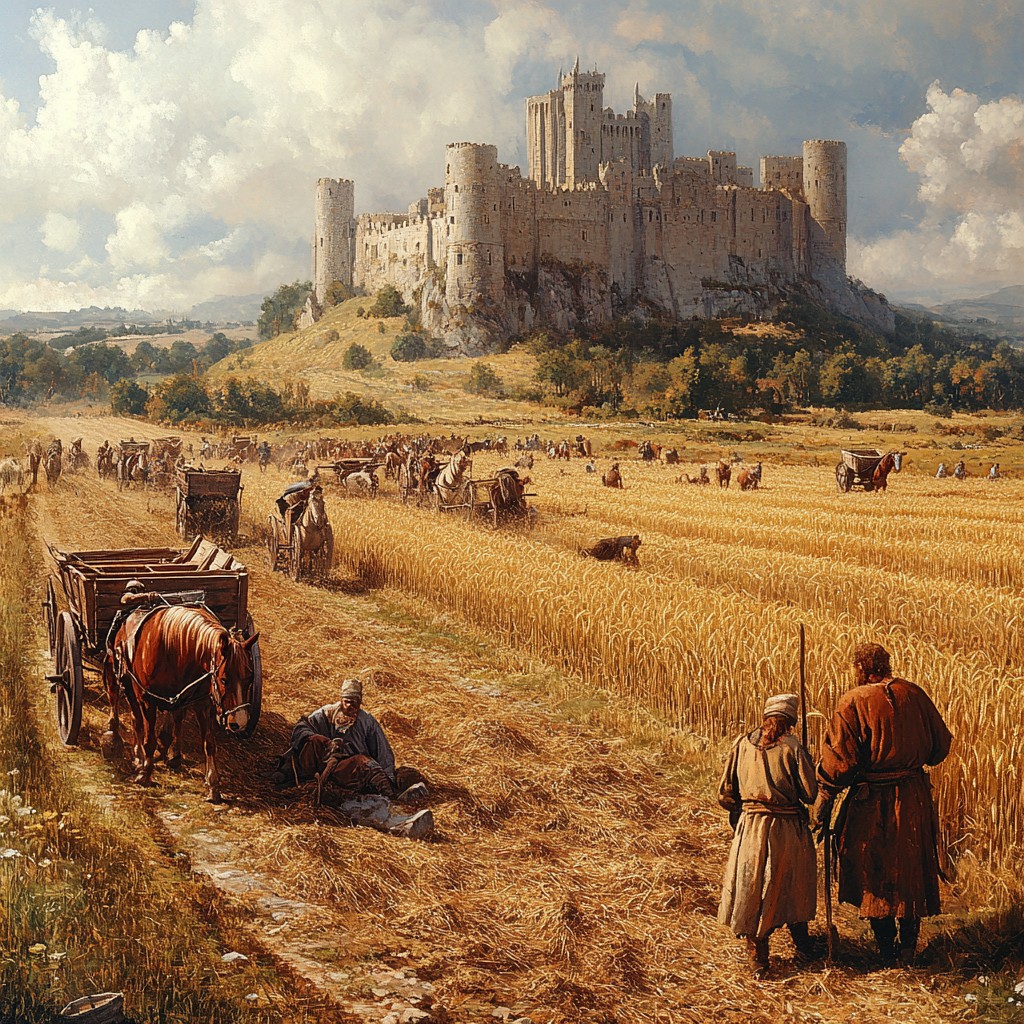
Harvest
September is the 2nd Harvest in the gardens. A Full Rose Moon. It is the largest harvest of the year. Two weeks of canning and drying, breaking down and sealing up. Cooking, blanching, cutting, pickling, creating tinctures, wrapping herbs, drying spices, storing roots in the cellars. This is the time to work with the moon and the stars, the ancient druid ritual of setting the horns, turn the compost, cover the fields, and put some to rest. We set the animals loose in the gardens, this is their thanksgiving feast.
We also have a wonderful variety of trees and shrubs on the property from conifers to hard wood maples, birches and oaks, a small orchard full of apples, cherries, pears, and plums. There are briars and spirals, vines and tubers, rhizomes and bulbs. We pick the fruit for canning and freezing when it is ripe during the harvest months, and tap the maples in the late winter, cooking and bottling the syrup outside in early spring.
The honey collected, the silk gathered, and the worms roam free in the now near empty gardens. One Last Harvest to go, for the cold crops, the stinkies: broccoli, cauliflower and cabbage, and mind an onion, potato, a turnip or two, pumpkins, black corn, delicate green gourds and cold blood beets, least ye forget to let seed and collect the last carrots for the horses to inherit.
The old gives way, time alters all,
And new life blossoms from the ruins.— Friedrich Schiller
.
.
..
.
.
.
.
.
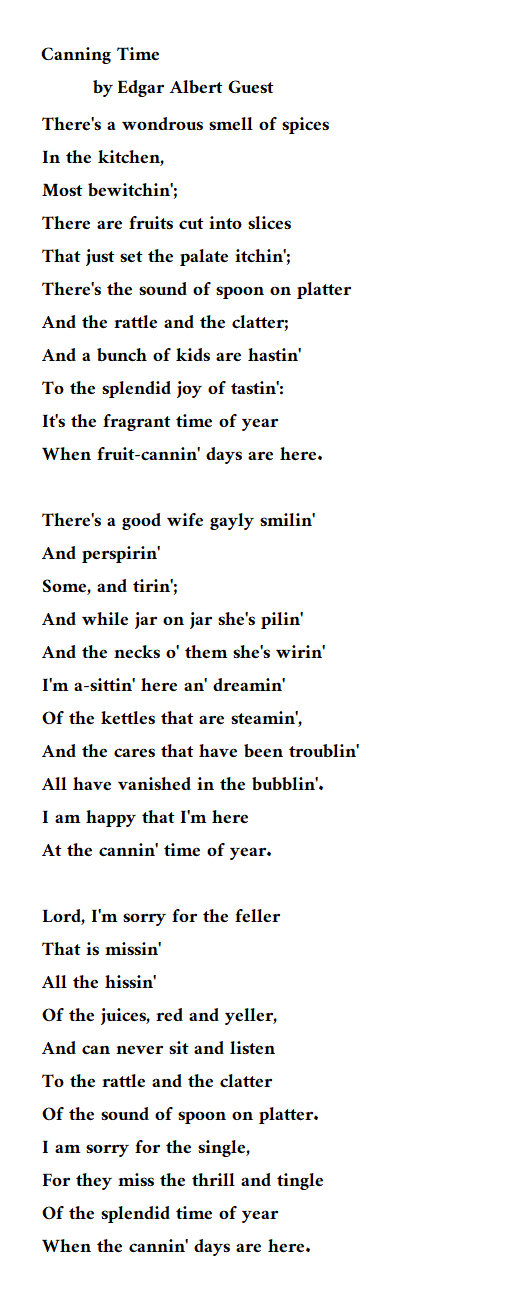
Autumn Canning – Canning is the art of preservation at the peak of freshness. Canning is a science, a math, it’s organization, and at the very end, in order to know, if you got it right, it’s music.
Where and when did canning start?
Napoleon’s army, 1809. That origin story — Napoleon’s army, the prize, the green bottles, the cork — Nicolas Appert won a prize from the French government for solving the army’s food preservation problem.
Napoleonic Canning: In 1795, Napoleon offered a 12,000-franc prize, a fortune at the time, for a reliable way to preserve food for his armies during long campaigns. French confectioner Nicolas Appert won it in 1809–1810 with his method of sealing food in glass jars, boiling them to create a vacuum, and preserving it for months or years. Even though he he didn’t fully understand the microbiology of sealing and heating th bottles,; Pasteur figured that out later, he solved the problem of food on the road. Nicolas original method used wide-mouthed glass bottles, champagne corks, and a water bath. He spent 14 years perfecting it before winning the 12,000 franc prize in 1809. The cork was wired down and sealed with wax
Peter Durand patented the tin can in England 1810, partly because glass broke in military transport. The irony being that home canners went back to glass eventually because it’s safer and you can see what’s inside. This was explicitly a military logistics solution — feeding troops better than foraging or spoiling rations. It eventually revolutionized civilian food too.
Later Ball Brothers made home canning accessible in America.
Who is given credit for expanding this technology?
Has canning changed much since it started?
surprisingly little. The science is the same. The pop is still the test.
[add]
How do we can at the PEACH? [tbc]
At the PEACH — water bath for high acid foods, pressure canning for low acid. The pop tells you everything.
.
.
pressure canning for shelf stable preservation.
Recipe: Water Bath Canning
High Heat The heat processing is what kills the bacteria — the vacuum alone doesn’t do that job.
Hermetic Sealing – pop
.
.
.
.
.
.
.
.
.
.
.
.
.
.
.Medieval Harvest Dinner & Festival
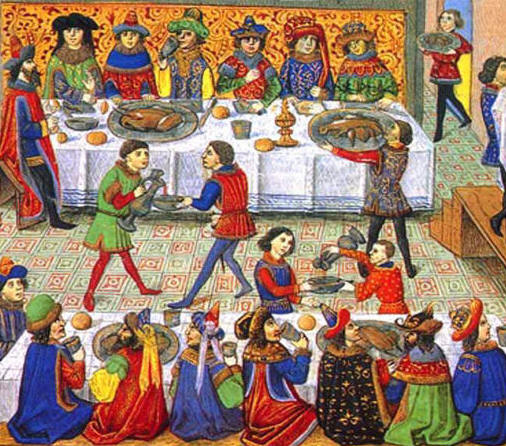
I can’t decide, the food or the play? This is such a great dinner event and the theatrics are so engaging and fun. I’d like to list every detail of this Event, but I don’t wish to spoil it for those who have not yet, attended, and each year there are new and more wonderful surprises. It’s all part of, The Great Secret.
However, I will paint a brief overview for this entrée, there is meat and drink, theatre and song, fire, horses, beautiful costumes, a dragon, a damsel in distress and of course the hero, and then there is the flaming dessert and the hurdy-gurdy. What a way to spend the evening. Nay, I’ll say no more!
Date: TBA
Time: TBA
Tickets: TBA
.
.
.
.
.
.
.
On Keeping Time
It’s the time of the season
Before the clock there was the sun. Before the sun there was the body — the hunger that said noon was near, the heaviness of limb that said evening had come, the cold that crept under the door and said winter was no longer a rumor.
For most of human history, time was not measured. It was felt. The farmer did not need a clock to know when to plant — the angle of the light told him, the behavior of the birds told him, the temperature of the soil under his bare feet told him. The shepherd did not need a calendar — the ewes told him when lambing season had arrived. Time was a living thing, inseparable from the natural world that produced it.
The oldest timekeepers were the simplest. A stick in the ground casting a shadow — the gnomon, ancestor of the sundial. A candle marked with lines — burn one section, an hour has passed. King Alfred the Great divided his day into three equal parts using horn lanterns to shield his candle clocks from drafts: eight hours of work, eight hours of prayer, eight hours of sleep. A king, measuring his life in wax. Water clocks — the clepsydra — dripped their way through Greek courtrooms and Roman forums, measuring the time allotted to each speaker. Socrates himself was timed by dripping water at his trial.
And then there are the Greeks who built something we still cannot fully explain — the Antikythera Mechanism, recovered from a shipwreck off the Greek island of Antikythera in 1901, dating to around 100 BC. A bronze astronomical calculator of extraordinary complexity, capable of predicting eclipses, tracking the Olympic cycle, modeling the movements of the sun and moon. It contains differential gearing that was not reinvented in the Western world until the 17th century. We built it. We forgot how. We found it corroded in the sea, fifteen centuries after we had forgotten it existed.
The mechanical clock came later — invented by medieval monks who needed a reliable way to wake for the canonical hours, the seven daily prayers that structured the entire monastic day. The clock did not create the schedule. The schedule created the clock. And from that moment, time changed its nature — from something felt and lived to something measured and managed. From the rhythm of the body and the sun to the tyranny of the minute hand.
On the Autumnal Equinox — the one day of the year when day and night stand in perfect balance — it is worth pausing to remember that this moment was tracked with extraordinary precision by every civilization that ever lived close to the land. Stonehenge. Newgrange. The temples of Egypt. The Greek gnomon. All of them clocks. All of them calibrated to this exact moment — the sun crossing the celestial equator, the days beginning their long retreat.
We still feel it. The light is different today than it was yesterday. The air has a different weight. The harvest is in, or nearly so. The animals know. The bees know. The trees know.
What time is it?
It is the turning of the year. It has always been the turning of the year. No clock required.
.
.
.
.
.
.
Autumnal Equinox
The balance between the day and the night, the dusk and the dawn, the gateway into the darkness.

Summer Has Ended
“Summer has ended!” Father bear said,
“In yonder tree hollow, I’ll make me a bed.”
“Summer has ended!” said all the gold weeds,
So softly sighing they scattered their seeds.
“Summer has ended!” the hurricane cried,
Hurling and whirling, harsh rains high and wide.
“Summer has ended!” said fiery King Sun,
“My flame must grow fainter, then fade out to none!” –Anonymous
As the autumns winds blow, this is the season of the Kite Masters. By a string this tailed creature tries to break free, to fly chaotically, full of tumult and pandemonium, away with the wind. The Master holds taut the string, the creature spins, twirls, bobs and dances until it finds the rhythm and symmetry between the earth and the sky. It floats above, effortlessly, then once mastered it calmly returns to the ground.
The Autumnal Blessing [tbc]
.
.
.
.
.
.
.
 Michaelmas
September 29th
St Michael, Arch-Angel Mi-chi-el, is the Angel of the Age. To children, he is personified by St. George who slays the dragon, good always triumphs over evil. To the adult, he is the eagle, the warrior, protecting and preserving the good. He, with his sword or spear, transforms thought and deed, from the center of the earth to the heights of the heavens. He is also the harvester, separating the wheat from the chaff.
The aster; Latin for star, also known as, the Michaelmas flower, and star flower. It is native to Europe. Strong, hearty and will not die back after the first frost or snows, which is especially good news for the bees and butterflies.
The Michaelmas Celebration is an Outdoor Festival for children and parents. There are so many wonderful events for the children to take part in: kite flying, horse shoes tossing, a relay race around the track, archery for the older children, pony, and donkey rides for the little ones. There’s time to pet the goats, feed the chickens, perhaps gather some eggs. Our woodworkers create swords and shields for the children to sand finish and, if they wish, paint. There’s a hike in the edible woods, a walk through the apple orchard; bring your basket, and in the bramble the children delight in picking and eating the berries, but watch out for the devil he bites. In the pumpkin patch children can pick a pumpkin to bring home, those living on the property can make a claim and allow their pumpkin to continue growing until Allhallows. There is also a demonstration how to bake a small pumpkin whole and make a delicious pumpkin pie. Out in the prairie, there are acres of star flowers to gather and take home for the dinner table. Off the kitchen patio there are plenty of warm homemade pretzels to munch, delicious bread puddings, spicy apple cider, pear and currant soda, and as always, the wonderful sounds from our strolling musicians. The Festival concludes with a brilliant performance of St. George and the Dragon, a play performed by the children’s theatre for the children.
Autumn is this season’s ripened fruits, that which was sown is now reaped. The trees dress in their true colors, and all nature begins to fall into a deep, deep sleep. Whereas, man in his thinking begins to wake, his power of thought grows sharper as the days grow darker and the cold winds begin to blow.
.
.
.
.
.
.
.
.
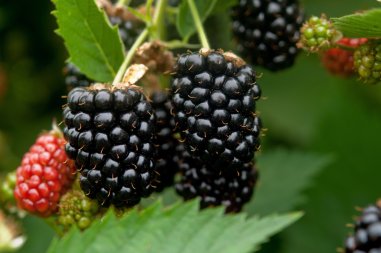 Devil’s Day
blackberry harvest
When the Devil was cast out of heaven by the Archangel Michael, he fell to the earth. As he fell, he left a trail of ice in the shape of a serpent behind him. This was the first frost. Landing, he tumbled into the bramble of a briar. The fruit on the briar immediately turned black. As he pried himself loose of the thorns, he turned and cursed the berries with his spit. The berries began to swell, some froze, some grew mold, some of them filled with maggots. This is why you never pick and eat blackberries after the first frost. Be wise lads, there is no set date for the Devil’s Day, it only comes with the first frost, when picking blackberries do it before the first frost, and when the sun is shining fully and on the briar.
.
.
.
.
.
Harvest Blessing —
Domine, sana vulnera terrae,
Lord, heal the wounds of the earth,
Et lumen tuum infunde in tenebras nostras.
And pour Your light into our darkness.
In misericordia tua invenimus pacem,
In Your mercy we find peace,
Et in gratia tua reparatur anima nostra.
And in Your grace our soul is restored.
. [TBC]
.
.
.
.
.
.
Friday Spaghetti Dinner
St Joseph Autumn Friday Meal – Spaghetti Dinner
4PM-8PM. Factory Hall.
St. Joseph Friday Spaghetti Dinner is a wonderful community tradition. Beginning in September, Friday evenings gather the family, neighbors, members, and guests together at the Swan Factory. Our large hall has plenty of room and tables to brings all the local folks together.
Every Friday in Autumn we serve a delicious homemade family style spaghetti dinner, with rich tomato sauce, savory meatballs, and parmesan cheese. Dinner includes: salad, bread, coffee, tea, milk, juice, and a homemade cookie. For A la Carte items, beverages and desserts will be available at an additional cost.
Music is provided by Banjo Cat and Fiddle De Dee, Guitarist JW Malaki, with occasional special guest Kylan Elliot Gieseking on the piano, and let’s not forget Fun-time Jim Welks will bring his concertina. Join us for a lovely dinner and music night out with family and friends.
You may Responsibly bring your own bottle of wine.
Dine-in and carry-outs are available. You may pre-order for carry-outs using our Spaghetti & Meatballs Dinner Pre-Order Form. The pre-order deadline is Wednesday 5PM.
Adult Meals $10.00
Child Meals $5.00
Volunteers
Join us every Thursday, at 3PM in the cafeteria to help roll the meatballs, wrap silverware and set up the hall and kitchen.
On Fridays, we need waiters and a dishwasher from 4PM to 8PM.
On Friday, we also we need help cleaning the hall starting at 3PM and again at 8PM.
If you plan on helping, please make sure to contact the volunteer coordinators so they can plan accordingly.
Please, leave your name, phone number, along with duty and shift you prefer to work with the wonderful cooks from St Josephs.
All Volunteers are entitled to a free dinner.
All Proceeds support St. Joseph’s Kitchen, Sports Programs, Father & Sons camping & skilled events.
We are a non-profit organization, donations are always welcomed – tax forms available.
Please join us for Dinner every Friday evening, from 4PM until 8PM in the Swan Factory Hall.
Spaghetti, tasty meatballs, good company, and a bottle of your own.
Yearly Friday Night Dinner Calendar
~September through Thanksgiving – Spaghetti & Meatballs Dinner, Salad, Italian Bread, Cheese, and Cookie.
~Advent through The Friday Before Ash Wednesday – Chicken Chili, Tossed Salad, Sourdough Bread, Cheese, and Pie.
~Ash Wednesday through Good Friday – Fish, Tartar & Lemon, Coleslaw, Rye Bread, and Custard.
~Easter through St Johns Tide – Chicken or Veggie Soups, Salad, 12 Grain bread, and Brownie.
.
.
.
.

Looking Ahead
The Christmas Play is coming! — and it begins now. Theatre Club opens rehearsals this month for the annual Christmas Medieval Play. New and returning cast members welcome. Children’s parts available. If you’ve ever wanted to be on stage this is your moment. Sign up at the Front Office starting September 1st, or contact the director directly.
Contact: Anatoly Bergman & Patrick Manda — [phone/email] — Rehearsals begin [October].
.
.
.
.
.

.
.
SEPTEMBER SCHEDULE
Most of the PEACH is closed from August 15th through Tuesday after Labor Day
The PEACH Community is closed on Labor Day
September is the harvest month — nature’s great exhale after the abundance of summer. The community returns from vacation, the studios and clubs reopen, and the rhythm of autumn begins. The second and largest harvest of the year is underway. Canning, drying, preserving, and cleaning up fill the weeks between Labor Day and Michaelmas. The Autumnal Equinox marks the turning, and the Medieval Harvest Dinner & Festival closes the month in celebration. Welcome back!
.
.

.
I. Festivals & Celebrations
All participants check in with Club Leaders the day before each event at 4PM. Potluck Dinner at 6PM.
Devil’s Day: “Sep, reminder of harvest, radio stories, or folklore (e.g., blackberries bitter after frost).”
Weekend Canning and Drying. Breaking Down and Sealing Up.
Autumnal Equinox — September 21st – September 21st or 22nd. Gathering in the Garden to the Woods at the Turning.
Harvest Blessing: “Last Sunday [See Spiritual].”
Harvest Festival Choirs: “Sep 21st [See Fine Arts > Music].
Gathering in the Garden to the Woods at the Turning. At the hour, at First Dawn, and at First Twilight, the Bell is rung 12 times. Tours at 10AM, 2PM, and 4PM. Must register. All skill shops open and on display.
Harvest Festival Dinner — Time: Last Weekend in September, 6PM – 9PM. Topic: Royal Huntsmen, St George and the Dragon, Dinner, Eat Like it’s 476, 800, or 1066! Medieval Harvest Dinner & Festival — Last Weekend in September Medieval Harvest Dinner & Play: St George and the Dragon 300 AD.
The Great Secret. Meat and drink, theatre and song, fire, horses, beautiful costumes, a dragon, a damsel in distress, a hero, a flaming dessert, and the hurdy-gurdy. Nay, we’ll say no more! See schedule for dates and times.
Michaelmas — September 29th – Outdoor Festival for children and parents. Kite flying, horseshoes, relay races, archery, pony and donkey rides, goat feeding, egg gathering. Woodworkers create swords and shields for children to sand and paint. Hike in the edible woods, apple orchard walk, pumpkin picking, pumpkin pie demonstration. Star flowers in the prairie. Warm pretzels, bread pudding, spicy apple cider, pear and currant soda, strolling musicians. Concludes with St. George and the Dragon performed by the children’s theatre.
(tied to harvest, radio stories, or folklore, e.g., blackberries bitter after frost); members submit stories to celebrate imagination.”
..
.
.
.
II. Clubs
*All Art Classes and Work Studios reopen after Labor Day. Welcome back!
Clubs resume after Labor Day unless otherwise noted.
No Shop September 1st through Labor Day.
Members, Studio at will unless noted.
Studio access: 24/7 for skilled members only; general arts members use regular hours with appointment, time banker required.”.
IIa. Fine Arts
— Rehearsals resume for Medieval Harvest Festival. Dance, Theatre, and Music preparing for the September festivals and the Autumnal Equinox gathering.
Dance and Movement Club — Time: 24/7. Topic: Skilled Members. Location: Dance Studio Northwoods.
- Focus: Rehearsal, Event – Medieval Dinner Dances, [Prokofiev]. S, 2PM-4PM & R, 7PM-9PM.
- Practice: Traditional Dance:. S, 1PM-4PM.
- Couples Dancing Lessons: T, 7PM-8PM. S, 4PM-6PM.
- Ballet & Stretching: T, 4PM-6PM.
- Personal Dance Studio: Specialty Dance – M-W, 1PM-3PM, 3PM-5PM. Sign Up.
Film & Photography Club —
- Film Work – Time: F, 7PM. Klint Art Building Theatre.
- Film Friday – 8PM. Topic: Hitchcock. Saturday Matinée 2PM. Theme: Depicting Early Christian and Medieval films. Location: Klint Art Building Theatre.
- Film Class – Time: D, 3PM. Questions. Topic: 8mm, Monthly Studio Work. Meeting 1st Sunday 3PM–6PM. Location: Lower Level – Klint Art Building.
- Photography – Time: Studio – Open 24/7 to members. Topic: Dark Room. Studio Dark Room: 8AM -10PM newbies. Location: Lower Level – Klint Art Building.
- Photography Classes – Time: D, 4PM-6PM. Topic: Box Camera & Intro B/W. Location: Lower Level- Klint Art Building.
Music Club —
- Concert Band Performance Rehearsals – Time: T–W–R, 4PM–9PM. Topic: Harvest Festival. Royal Huntsmen. Lower Level – Klint Art Building.
- Epic Concert Ban – Time: Friday 7PM – 10PM. Topic: Sight Reading. Lower Level – Klint Art Building.
- Choir Performa Rehearsal- Time: T–W–R, 4PM–9PM. Topic: Harvest Festival. Royal Huntsmen. Lower Level – Klint Art Building.
- Choir Rehearsals – Time: R, 7PM–9PM. Topic: Practice & Warm-ups. Chapel.
- Chamber Ensemble – Time: M, 7PM–9PM. Topic: Rehearsals & Sight Reading. Lower Level – Klint Art Building.
- Wind Ensemble – Time: T, 7:30 PM. Topic: Rehearsals & Sight Reading. Lower Level – Klint Art Building.
Music Performances —
- Concert Band – Time: 2PM to 4PM Labor Day. Topic: Summer Afternoon Labor Day Patio Concert, Americana.
- Harvest Festival Performance – Time: Friday September 25. 4PM–9PM. Topic: Hunting Horn, Bugle, Trumpets, French Horns. Ancient Instruments. Contact: Dr. Spyros Poieo.
.
Painting — Time: T, R, 2PM – 5PM. Topic: Oil & Gouache. Location: Klint Art Building.
.
Theatre —
- Harvest Theatre Club — Time: T–W–R, 4PM–9PM. Topic: Harvest Festival; St. George and the Dragon. Gym.
- Oberufer Theatre Club — Time: M- F, 6PM-8PM. Topic: Sign Up 15 September – Oberufer Rehearsal Christmas Medieval Play Preparation. Location: Theatre – Klint Art Building.
- Theatre Roman Circus wrap-up. Time: Saturday 3PM–5PM Location: Gym.
Theatre Performances —
- Harvest Festival Performance – Time: Friday September 25. 4PM–9PM. Topic: Harvest Festival; St. George and the Dragon. Gym.
.
IIb. Folk Art
— Autumn collecting season begins in earnest. Wool washing, natural dyes, basketry materials gathered. Papermaking continues. Nature field trips posted on the bulletin board and online.
Bakers Club — Time: Monday: 4PM. Topics: Jam, Preserves & Pickling. Location: Cafeteria.
Book Binding — Time: Saturday Classes 9AM–Noon. Topics: Fabrics, Binding with Glue. Apprentices – W-R-F, 10AM–4PM. T, Farmer’s Market, 10AM-4PM. Location: Big House.
Cordwaining — Time: Saturday Classes, 9AM-Noon. Topic: Intro to Tools. Apprentices Hours W-R-F, 10AM–4PM. T, Farmer’s Market, 10AM-4PM. Location: Bog House.
Culinary Arts Club — Class I – Time: 2nd and Last Wednesday, 10AM–Noon. Topic: Jam, Preserves & Pickling. Class II – Time: 2nd and Last Wednesday, 1PM–5PM. Topic: Pickling & Cheese. Community Canning. Location: Cafeteria. No Solo Studio
Folk Arts Clubs — Time: M-W-F – 9AM- Noon. Topic: Craft Class – General meeting and orientation for the folk craft season held the week before the Autumnal Equinox. Location: Klint Art Building.
Field Trip – Time: F-S D 9AM-Noon. Topic: Nature collecting field trips. Collecting & Brewing – Making of plant pigments and natural dyes. Silk & Wool Washing. Cording & Basketry materials gathered. Dates and times posted online and on bulletin board. Location: Meet-up at the Skilled Shed.
Sewing Club — Time: M–W 9AM–Noon, and at will. Topic: Quilting continues. Creating, mending, and fitting of costumes for Medieval Harvest Festival. Location: Klint Art Building; top floor and Mom & Tots Patio Room.
Stained-Glass — Time: S, 11AM-2PM & W 5PM-7PM. Topic: Lamps, Windows, Individual Creations. Location: Swan Building 4th Floor. No Solo Studio
.
IIc. Skilled Art
Skilled Arts — All shops reopen after Labor Day. Stonecutters continue through September. Ceramics, Glassblowing, Blacksmithing, Woodworking, and Printmaking resume regular hours.
.Blacksmithing — Time: T,W, R, F, S 9AM–4PM. Journeymen Only. Topics: Fire, Forging, Ventilation, Tools & Practice. Saturday Class 1PM–4PM. Iron forging demonstrations last Friday of month 4 PM to 6 PM. Location: Studio Buildings. No Solo Studio.
PEACH Farm & Garden Club — Time: Sun up till sun down – Topics: September 1st Farm meeting 7PM. Monthly Schedule Location: Farmer’s House
- Check-in — Harvest work, Farm and garden work intensifies with the harvest. September is the second and largest harvest of the year. All hands welcome for harvest work.
- Ground Walkers – 3 volunteers rotate, 7 elders backup. Follow List, check for Distress.
- Ongoing daily care essentials & animal care. Morning and afternoon chores at the crack of dawn. Location: Barn & Busy Triangle.
- Every Tuesday, Farmer’s Market in the parking lot 10AM–4PM through October. If weather is harsh, vendors move to the gym.
- Check schedule for impromptu guest speakers. Topic: List [Farmer & Admin Sec].
- Perma-forest Farm, Animal & Land restoration – Topic: Seeding, State of the land.
- Gardens: landscaping – Berry picking, Straw cover, mix Compost.
- After Harvest – Straw cover, mix Compost.
- Knotting, & Whittling – After Dinner. Location: Farmer’s House.
Glassblowing — Time: M, W, 4PM-8PM. F, 2PM-6PM. Topics: Class – History Lecture, Tools, Expectations, Safety. Studio Hours – Experience & Demonstration by appointment. Topic: Basic Glass Techniques. Location: Swan Factory. No Solo Studio
Masonry & Mosaic — Time: Between 8AM and 7PM. This is not a traditional club, more of an apprenticeship. Topic: The Art Building floor project, and going out on jobs with Kip. — learn by doing. Location: Mason’s Shed, Job site, Klint Art Building, & Small Office Next to Swan Building .
Pottery & Ceramics — Time: T & R, 1PM-4PM. Topic: Pinch Pots, Slab, Wedging, Kneading, Slip. Location: Studio Buildings. Wheel-throwing Demonstrations last Friday of month 4PM to 6 PM.
Printshop & Printmaking — Time: T, R, 9PM-Noon. S, 9AM–Noon. Topic: Wood Cut: Tools & Brayer. T, 10AM-4PM Farmer’s Market. Location: Printer’s House, Post Office, Farmer’s Market. Gutenberg-style printing Demonstrations last Friday of month 4PM to 6 PM.
Woodworking —Time: W-F, 1PM-4PM.Topic: Building, Drawing, Design, Layout, Carving. Location: Studio Buildings.
.
IId. Educational Art
Book Clubs — There are a number of Books Clubs within the community based on topic, genre and age. The Weekly Book Club is held in the Great Room in front of our beautiful stone fireplace. For smaller Book Club groups, there are several available meeting rooms, as well as, the library. Please check with the Scheduling Office. We ask that participants please clean up after their meeting, replacing chairs, wiping tables, sweeping and vacuuming, so that all is clean and orderly for other group meetings in the future. Book Clubs may form several groups and meet more than once a week. Check the Book Club Schedule in C&K.
- Book Club – Adult — Time: R, 7PM. Topic: Classic Novel Brother’s Karamazov. Location: Lobby. ALT-Locations: Administration, Solon, Cabin & Library Buildings.
- Book Club for Tots — Between the ages of 3 and 7 — Time: 2nd and 4th Sunday at 2PM. Topic: Fairy Tales told by the puppet troupe. Location: Mom and Tots Room.
- Book Club for Children -Between the ages of 8 and 11 — Time: S, 2PM Topic: 1 hour of reading out loud in the Administration Building Lobby by the fireplace.
- Book Club – Teens — Time: F, 4PM. Topic: Lord of the Rings. Location: Library Conference Room. ALT-Locations: Administration, Solon, Cabin & Library Buildings. Book Clubs may form several groups and meet more than once a week. Check the Book Club Schedule in C&K.
Business Club —Time: Adv. M-W, 3PM. – Beg. M-W, 4PM. Topic: Need Help with Math? School Work, Book Keeping, Taxes, Grants. Location: The Cabin.
Father & Sons Club — Time: M, 7PM-9PM. S, 10AM-4PM. Topic: Skill Animal Husbandry and Gardening continue. Harvest work. Archery, Fishing, Sailing. Meetings Monday 7PM. Location: Farm & Admin. Free Speech Conference Room.
Goethean Science — Time: S, D. 9AM – Noon. F 7PM – 9PM Topic: Week 3: How Goethe’s Theory of Metamorphosis Arose. Week 4: How Goethe’s Thoughts on the Development of the Animals Arose. Week 5: Goethe’s Writings on Organic Development. Locations: Dance Studio In the Woods & Lecture Hall 1. Member’s only with exception.
Home Life Club — Office Hours: T, R, 10AM-Noon. Group Meetings – Time: 7PM, 2nd Wednesday of each Month. Topic: History of Parenting. Location: The Cabin.
Lecture Series — History of Western Culture – Topics: History, Art, Philosophy. Location: Lecture Hall 1. Theatre, 1st Floor Conference Room. Lunchroom, Swan Building. Cabin in the woods. Art Studio – Klint Art Building Conference Room 5th floor. Chapel.
- History of Western Civilization — Time: 7PM, 1st and 2rd Wednesday. Topic: Part I—First Council of Nicaea, Roman Emperor Constantine I, 325 AD. The Celts Pre-Christian through 376 BC. Farming, The Harvest. Equinox. Location: Lecture Hall I – Admin Building. Speakers: Professor James Burke & Alexander Archiver.
- Art History of Western Civilization — Time: 7PM, 2nd and 3rd Mondays. Topic: Early Christianity through Early Medieval; Pagan & Christian Art Evolution. Location: Lecture Hall I. Admin Building Speakers: Professor Knestor Jackdaws & Alexander Archiver.
- Philosophy History Of Western Civilization — Time: 7PM Friday. Topics: End of Rome to Christianity. Constantine, Augustine, Early Church Fathers. Location: Lecture Hall I. Speakers: Alexander Archiver & Keith Woods.
- Religion & Spiritualty Series— Time: 7PM, 1st Sunday of the Month. Topic: The Esoteric Mission of Michael. Location: Chapel. Guest Speaker: Rev. Bergmann.
Mom & Tots — Time: M–W 9AM–Noon. Topic: Regular Schedule Outside Water and Sandbox Play, Baking, Nature Walks, Storytime. Location: Admin. Building Play Room & Patio.
Writer’s Club — Time: 2nd Saturday 1PM–3PM. Topic: Foundation seasonal short story: physical descriptive detail, feeling of the season, senses, includes a memory, and the “just-then” element. NOTE: Members submit stories to celebrate imagination of the Season & Harvest.
.
.
.
.
III. Sports & Movement
All sports resume after Labor Day unless otherwise noted.
Dance Studio In The Woods — Open to all performers at various times. See Dance Club Schedule.
Father & Sons — Archery, Fishing, Sailing. With permission others may join. See Schedule and Itineray.
Field Sports, At-Will— Tennis, badminton, softball, hiking, camping, fishing, biking, snow shoes, cross country. Summer equipment available M–D 8AM–6PM. Please return all Equipment to the shed when finished. If something is broken please report it to Nancy Dean, Rev. Graham or Father Tim.
Roman Circus Rehearsals — Saturday Afternoons 3PM–5PM, ages 12 and up. Wrapping up for the season.
Softball Teams— June through Labor Day. Tuesday 4PM ages 12–16. Thursday 4PM mixed ages and picnic. Thursday 7PM men’s softball. Field & Gym. Adult Softball can go past Labor Day.
Spatial Dynamics — Saturday mornings. Tiny dancers 9AM–10:30AM ages 6–9 and 12–15. Ages 16 and up 11AM–12:30PM.
Sun Walkers — Daily, 10 minutes before sunrise. Chapel Door.
Yoga — Dance Studio In The Woods. Independent Group. M–F 8AM–9AM.
.
.
.
.
IV. Spiritual
Services – Sundays 7 AM, 10AM, Noon.
Holiday Service very check
Note: Yearly Schedule Link via Admin: Nancy Dean.
Ásatrúarfélagið Magnus Hjaltason – Asatru.
Revered Thomas Graham – Lutheran.
Father Timothy Meadows – Catholic.
Revered Rosemary Bergman – Christian Community.
.
.
.
.
V. Administrative
All offices closed August 15th through Labor Day
Regular Business Hours, 9AM–5PM. Meetings, Thursdays 2PM, Conference Room.
Office of the President — Contact Nancy Dean for scheduling and appointments.
Community Events Committee — 1st and 3rd Weeks, Thursday 1PM, Library Room 1.
Elder’s Club & Guardians — Thursdays, 4PM, Conference Room. Potluck dinner.
Festival & Seasonal Events Calendar Committee — Members meet M–W–R, 9AM–Noon (by appointment), Festival’s Office, Library Room 2. All participating leaders meet the night before each event at 7PM for updates and last-minute changes. Potluck Dinner at 6PM (in the cafeteria).
Guardians — First Thursday of the month, Noon 4PM. Lunch served in the Conference Room.
Maintenance — Regular hours. Leave a phone message, fill out a form at the Post Office, or contact online. Emergency number for after-hours only.
Residents — Residents are asked to keep a watchful eye for any problems or emergencies and report them to the police if necessary, but always notify maintenance immediately. If it causes you worry, it is not a burden, we want to know. Please use common sense, do not put yourself in harm’s way. Never speculate — report as many physical and factual details as possible, including numbers, times, and dates. We want everyone who lives, works, and visits our community to remain safe and always feel that they can enjoy our community without Eris or Discordia (strife or discord).
.
.
.
.
VI. Businesses
Note: Most businesses resume regular autumn hours after Labor Day.
All Businesses are Closed Mondays – Some Closed on Sundays.
The PEACH is not automated, it is a People Orientated Community [POC]. Please, keep that in mind and call first to see if the business is open or in attendant. Note; If we are here a person will answer.
Bicycle & Ski Co-Op — Summer Hours: T–W–R–S 10AM–6PM. F 10AM–10PM. D 10AM–4PM. 24/7 Emergency Bicycle Repair Box.
Café Four Seasons — Summer Hours: T-W-R 11AM–8PM, F-S 10:AM–9PM. Saturday Morning Farmer’s Breakfast: 8AM-11AM. Sunday Brunch: 11AM-2PM.
September Menu: Harvest Bounty. Lunch 11AM – 2PM. Dinner 4PM-8PM.— Appetizers: Peasant Fair – sliced Apples, Farmer’s Cheese & Fresh Onion Bread. Harvest Delights: Toomuchofthis & Thisagain?. Salads: Tossed or Kale, Beet, & Cottage Cheese w/Mustard Dressing, Chopped Red Onions & Walnuts. Dessert: Everything Apple. Refreshments: Apple, Lemon & Bancha Twig Tea (hot or cold), Apple Cinnamon Soda, Cinnamon Coffee, w/ honey & cream, and a slice of apple.
Charlotte “Lotte” Gallery — Library Hours 9AM – 5PM. S, 9AM – 2PM.
Daughters of Asclepius Apothecary — Store Hours: T,W,R,F,S.10AM- 6PM. Services: Field Trips and Preparation. S. 9AM-3PM. Home Visits & Delivery: 11AM-4PM. Closed Sundays & Mondays.
Daughters of Asclepius Clinic — Clinic Hours: T,W,R,F. 9AM-3PM. Closed Sundays & Mondays. Home Visits After, 4PM (appointment only). Closed Sunday & Monday. Lecture : August 1st, 7PM – The Art of Medicine and Healing, Rafael.
Four Winds Co-Op — Summer Co-Op Hours: T-W-R-F-S 9AM–9PM. D,11AM–4PM.
Four Winds Co-op Bakery — Summer Co-Op Bakery Hours: T-W-R-F-S 7AM–2PM, D, 7AM – Noon.
Farmer’s Market — Tuesday 10AM–4PM, Circle Drive through October. Gym if weather is harsh. For a table call the Farmer’s Wife.
Fensalir Thrift Shoppe — Summer Hours T–W–R-F-S 10AM–4PM. Closed Sunday & Monday. Drop-offs by appointment. 10% off with any theatre ticket. Also See Table at Farmer’s Market.
Mason & Mosaic —Irregular Hours, CALL. Always M–D 8AM–7PM. Closed all Holidays. Masonry, Walls, Penny & Mosai Floors.
Musicians — Many people ask us about our strolling musicians. Folk, Classical, Solo, Duet, Piano, etc… They available for many special events. Contact Nancy Dean in the office for direct connection to our instrumentalist and entertainers.
Post Office — Regular Hours M–F 9AM–4PM. S 9AM–Noon.
Print Shop — Monthly Newsletter.
St Crispin’s Cordwaining —Hours W–R–F 10AM–4PM, and by appointment. Tuesday Farmer’s Market 10AM–4PM.
Swan Glass Factory — Summer Hours: M–F 9AM–4PM. Closed Lunch Noon–1PM.
Tè Chay Tea Room & Confectionery — Summer Hours: T-W-R-F-S, 2PM-10PM. D, 11AM-9PM. Feature Menu: Apple Pie, Lemon Ice, Custard with Fresh Fruit.
-
- Tè Chay September Events: In The Closet: Chess Boards, Backgammon, Mancala, Hounds and Jackals, Hnefatafl, Scrabble, Cribbage, Go, Chinese Checkers, Tarot.
- Bookshelf full of Poetry and Short Stories, available at all times. Sit in the Tea Room or out on the porch. The Tea Room is self-order, but we serve.
- Tuesday 6:30PM till close — Chess, 6 tables. Contact: General Chief.
- Wednesday 8PM till close — Live Open Poetry, 6 tables. Contact: Emily Dickinson.
- Thursday 6PM till close — Candlelight Conversations, 12 tables. Contact: Staff.
- Saturday [TBA] — Conversation With The Author, 10 tables. Contact: Silvia Zelts.
- Sunday 11AM–2PM — Musical Trios, Duets, Solo. Contact: Staff.
- Sunday 2PM–4PM — Trivia, 10 tables. Contact: Greg Smith.
- Sunday 4PM–6PM — The Stoics are back.
- Sunday 6PM–9PM — Epic Poetry Reading: Iliad and the Odyssey, Beowulf, Gilgamesh.
Vidar & Seshat Book Binding — Hours W–R–F 10AM–4PM, and by appointment. Tuesday Farmer’s Market 10AM–4PM.
.
.
.
.
VII. Community Events
Labor Day will not effect any of these Events.
Labor Day Member’s & Guests Only Picnic — 10AM – 7PM. Nothing scheduled. Come hangout, bring a picnic, sports gear, equipment shed is open. 1st floor Art Building bathrooms are open. Member’s and Guests only.
Contra Dancing & Potluck — Saturday, 7PM–10PM. Continues through Thanksgiving Weekend. Location: Gym or Swan Factory Lunchroom. Member’s and Guests only.
Chapel — Sundays & Holidays. Services Information: Newsletter, Chapel Reader Board, and The Front Office. Open to the Public Without Distress.
Eurythmy — Friday, 10AM-Noon, Movement. 1PM-5PM, Curative (appointments only). Dance Studio in the Woods.
Farmer’s Market — Tuesday, 10AM–4PM. Location: Circle Drive, Admin Building, or gym if weather is harsh. Open to the Public Without Distress.
LD District Rep — 9/15 at 7PM – 9PM. Local District Representative. Hour 1: State of the wider Community. Hour 2: Questions and Answer. Location: Lecture Hall 1, Admin. Building. Open To All Local Residents. Open to the Public Without Distress.
Sun Walkers — Daily, 10 minutes before sunrise. Meet at Chapel Door. Open to the Public Without Distress.
Sunset Watchers — Daily, 1 hour before sunset. Meet at Track Stands. Open to the Public Without Distress.
Yoga — Monday, 10AM-Noon. Location: Dance Studio in the Woods. Open to the Public Without Distress.
.
.
.
VIII. Resources & Classes
All Educational Resources resume after Labor Day.
Member’s & Guests only, with exception.
Family Education — Family Gardening at will. Home & Community Walk-in Wednesdays 4PM–9PM.
Art Fundamentals 2-D — Time: T, R, 4PM – 6PM. Topic: A 6 week course offered twice a year. Covering Hands-on Elements and Principals of Art. Location Arts Building 4th Floor – September 15 – October 24 & March 15th – April 24. Open to the Public Without Distress.
Goethean Science — Friday 7PM-9PM, Lecture I. Goethean Science — How Goethe’s Theory of Metamorphosis Arose. How Goethe’s Thoughts on the Development of the Animals Arose. Goethe’s Writings on Organic Development. Locations: Lecture Hall 1.
History Lectures — History of Western Civilization: Early Christianity through Early Medieval. 1st and 2nd Wednesdays 7PM. Lecture Hall I. Open to the Public Without Distress.
Languages — Study at will. Audio in Library. Independent meet-ups at the Tea Room. Study and practice, Celt & Greek. W, 9AM – Noon.
Library & Charlotte “Lotte” Gallery — Hours: M through R 9AM – 5PM. F 6PM S, 9AM – 2PM. Open to the Public Without Distress.
Mosaics — Outdoor and indoor marble work continues through September with Master Mason Kipling Scott. Contact Kip, or see schedule for dates.
Newsletter — Hours: M–F 9AM-Noon. Monthly Newsletter: Released Weekend of the 15th. Quarterly Newsletter: Released September 20. Submission Due: 1st Monday of the month. Volunteers Welcomed.
News & Radio — Music and books based on season. Broadcast LIVE: Autumnal Equinox gathering Live Reporting. Medieval Harvest Festival Live Reporting. Radio Show Schedule Open to the Public Without Distress.
Philosophy Lectures — History of Western Civilization: Early Christianity, Augustine, Neoplatonism. Fridays 6PM. Lecture Hall I. Film follows at 8PM in the Theatre. Open to the Public Without Distress.
Radio — Chapter A Day — September: [See Addendum] – (tied to harvest, radio stories, or folklore, e.g., blackberries bitter after frost); members submit stories to celebrate imagination,: Open to the Public Without Distress.
Salon Rambouillet — Submit Need Of This Room For for the Year by Labor Day – 1st come 1st served. If there are conflicts please resolve them amicably. Contact Nancy Dean In the Office.
Strolling Musicians — Throughout September, strolling musicians play old and familiar tunes. Grace them with a few sovereigns if you can. Available for birthdays, anniversaries, and just-because. Places you can hears them and where they are most welcomed: Chapel, Swan Factory at Lunch, Dance Studio In the Woods, Art Lobby, Admin Lobby, Elder Building, Tea Room, Café, Kindergarten, Happily Walking the Grounds.
Spiritual Wisdom — Pagan, Christian Groups, Junto Club. Michaelmas Chapel Service September 29th. Check schedule. Open to the Public Without Distress.
Studio — Open to all members based on skill level and attendant present.
.
.
.
.
IX. MISC — Announcements
Outside & Inside Organizations News & Hosted Events
~Catholic Church — PASSED – Italian Friday Night Dinners — Beginning this autumn, Friday evenings in the cafeteria. Suggested donation. Bring your own wine. Open to the public. Sign up through Home Life Club.
~Paper Bluegrass Fest — PASSED – 3rd Friday and Saturday in August [note for next year’s planning]. Printer’s Members & Guest Event. Community welcome by invitation. Contact Albert Kirchner.
.
.
.
.
X. Addendum — What’s New, Proposal, Updates, Topics
What’s on the agenda? Get informed early.
Proposal – Prepper Store. “The Sutler” (zoetelaar)
Update – Mission Statement.
Updates – UP Expansion — Long-Term SEEDS Community Goal.
Proposal – Basque Shepherd — Community Recruitment Goal.
Ongoing – University Partnership & Academic Credit Goals.
Update – Guardian Selection & Governance.
Update – Time Banking.
Update – Volunteer Guidelines.
Topic – Our Foundation Relationship.
Ongoing- Community Outreach & Partnership Goals.
Updates – Theatre Development Goals.
.
.
.
.
.
.
..
.
End Note
September is our deep breath after the long summer. The harvest is in, the canning is underway, the studios are humming again, and Michaelmas reminds us that the good always triumphs. Welcome back, everyone. There is, as always, never nothing to do at the PEACH.
.
.
.
.
.
.
Living Pan-European and American Cultural and Heritage Community Center

.
EMAIL: peachcommunity yahoo.com
.
.
.
.
.
.
.
.
.
.
.
.
.
.
.
quicklink
 PEACH COMMUNITY