ROME
.
.
.
.

.
.
Rome, where to begin?
.
.
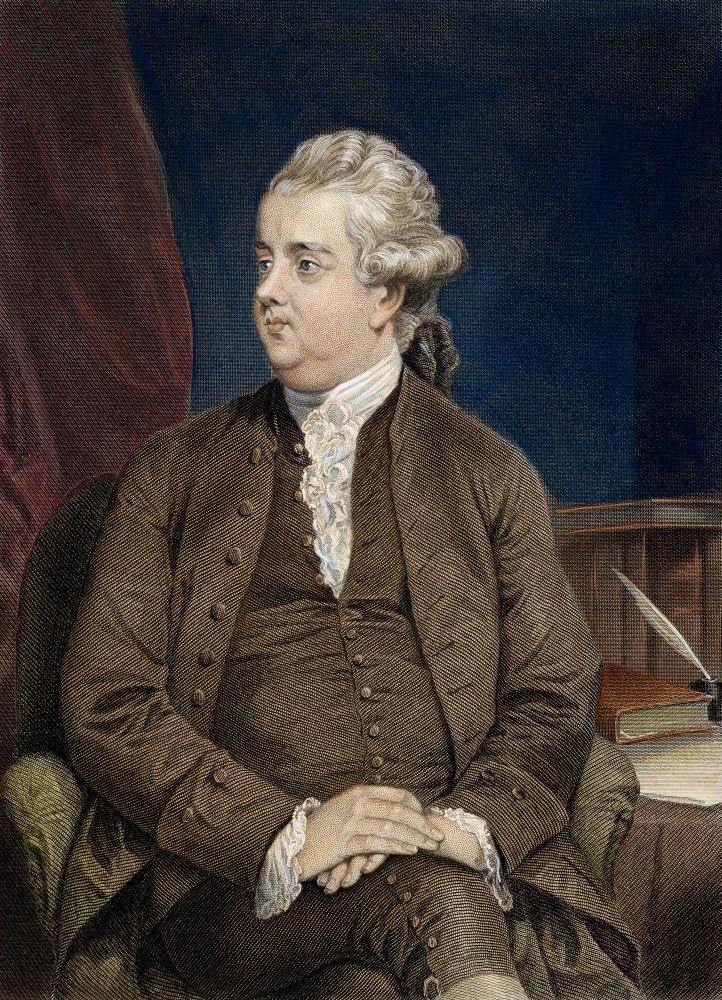 Edward Gibbon & The Decline and Fall of the Roman Empire
There is a story about how one of the greatest historical works ever written came to be. On the evening of October 15th, 1764, a young English historian sat among the ruins of the Capitol in Rome, watching the sun go down over the Forum. Barefoot friars were singing vespers in what had once been the Temple of Jupiter. As their voices rose into the autumn air above the broken columns and scattered stone, Edward Gibbon conceived the idea that would consume the next twenty years of his life — to write the history of the decline and fall of the Roman Empire.
He was 27 years old. He would not finish until he was 49. The result — twelve volumes, spanning thirteen centuries, from the height of the Antonine emperors to the fall of Constantinople in 1453 — is one of the most extraordinary achievements in the history of Western literature. It is not merely history. It is philosophy, biography, theology, satire, and moral reckoning all woven into a single vast tapestry. Gibbon writes with the precision of a scholar and the wit of a man who finds the human comedy inexhaustible. His footnotes alone are worth the price of admission.
He asked one question above all others — how did the greatest civilization the Western world had ever produced destroy itself? — and he pursued that question with unflinching honesty across twelve volumes and thirteen centuries.
The answers he found are uncomfortable. They were uncomfortable in 1776 when the first volume was published — the same year, not coincidentally, that the American founders were declaring their own republic, having studied Rome carefully and hoping to avoid its fate. They are no less uncomfortable now.
“All that is human must retrograde if it does not advance.” — Edward Gibbon
Why We Read Gibbon in August
August is Rome’s month at the PEACH. We celebrate Augustus Caesar, the Pax Romana, the Assumption, Ferragosto — the height of Roman civilization in its most human and celebratory form. It is precisely the right moment to begin the long, honest reckoning with what happened next.
You cannot truly celebrate Rome without understanding its fall. And you cannot understand its fall without Gibbon. We begin on August XV at V:IX PM — Ferragosto evening — in the Salon Rambouillet. The time is not accidental. V:IX echoes 509 BC — the year the Roman Republic was founded, the year the kings were expelled, the year SPQR began. We launch our study of Rome’s end at the hour that recalls its most glorious beginning.
From the Salon we make our way out to the Ferragosto festivities — Caesar Augustus on his throne, the Roman Circus in full swing, the concert band playing old Italian songs under the stars. We toast the Emperor whose name graces this month, carrying in our minds the first pages of the book that will tell us, over the next twelve to twenty-four months, exactly how it all came undone.
Acta est fabula, plaudite. The play is over. Applaud.
About the Roman Book Club
The Roman Book Club meets twice a month in the Lecture Hall for two hours, with four additional three-hour sessions in the Salon Rambouillet throughout the year. The full work requires a 12 to 24-month commitment — not everyone will make every meeting, but the commitment to the full arc of the work is what defines the Club.
All members are welcome regardless of affiliation. The Junto Club and Skilled Workers are especially encouraged — Franklin himself read and admired Gibbon, and the craftsman-intellectual tradition is as old as Rome itself. The Salon welcomes the smith and the philosopher equally.
The books are available at no charge. Modest fees apply for Salon sessions. Open to the public — though those who commit to Rome for 12 to 24 months tend to find themselves committed to PEACH as well.
Contact Jason Aeson for details and registration.
.
.
.
.

Rome History & Events
Founding of Rome, Romulus & Remus (753 BC): Founding by Romulus, establishing Rome’s cultural and political identit,setting cultural roots.
Etruscans, Lucretia, SPQR (509 BC): Overthrow of Etruscan king Tarquin the Proud after Lucretia’s assault, founding the Roman Republic (SPQR). Monarchy overthrown, Republic begins
Cincinnatus (458 BC): Legendary dictator who saved Rome and returned to his farm, symbolizing civic virtue, a model for Machiavelli’s ideal leader.
Rome Takes Greece, 197 BC end of the Hellenistic era but Rome carries its torch.
Greco Roman Era Begins
Punic Wars (264–146 BC): Rome’s victory over Carthage, establishing Mediterranean dominance.
Triumvirates I & II (60–53 BC): First Triumvirate (Caesar, Pompey, Crassus, 60–53 BC). Julius Caesar’s Assassination (44 BC): Sparked Republic’s end, Empire’s rise.
Second (Octavian, Antony, Lepidus, 43–33 BC) marked power struggles, leading to the Republic’s end, Augustus Becomes First Emperor (27 BC): Octavian’s rule began Pax Romana.
Constantine (306 AD): Likely refers to Constantine’s rise (306 AD) or Edict of Milan (313 AD), legalizing Christianity, Edict of Milan (313 AD): Legalized Christianity, shifting Rome’s culture.
Fall of Western Roman Empire (476 AD): Odoacer deposes Romulus Augustulus, marking medieval transition.
.
.
.
.
~Rome: Rise and Fall of an Empire
~Rome – 500BC
Rome: The Empire of Innovation chronicles the rise and fall of the ancient Roman Empire, from its humble beginnings as a small city-state to its transformation into a vast and powerful empire. This text explores the political, social, and technological developments that shaped Roman history, examining the establishment of the Roman Republic, the rise of Julius Caesar, and the Pax Romana under the emperors Augustus and Marcus Aurelius. The book delves into the remarkable engineering feats of the Romans, from the construction of aqueducts and roads to the creation of monumental architecture like the Colosseum and the Pantheon. Rome: The Empire of Innovation is a testament to the enduring legacy of Roman civilization and its impact on the world.
Ancient Rome:
Roman Kingdom (c. 753 – 509BC)
Legendary founding of Rome by Romulus and Remus (c. 753BC)
-
-
- Reign of the Seven Kings of Rome, ending with Tarquinius Superbus
-
Roman Republic (c. 509 – 27BC)
-
-
- Overthrow of the monarchy and establishment of the Roman Republic (c. 509BC)
- Punic Wars against Carthage (c. 264 – 146BC)
- Conquests of Julius Caesar in Gaul and the Civil Wars (c. 49 – 45BC)
- Assassination of Julius Caesar (44BC) and the rise of Octavian (Augustus)
-
Roman Empire (c. 27BC – 476AD)
-
-
- Early Empire (c. 27BC – 180AD): Julio-Claudian, Flavian, and Antonine dynasties
- Crisis of the Third Century (c. 235 – 284AD): Period of political instability and military anarchy
- Late Empire (c. 284 – 476AD): Diocletian’s reforms, Constantine’s conversion to Christianity, and the division of the empire into East and West
- Fall of the Western Roman Empire (c. 476AD): Deposition of the last Emperor Romulus Augustulus by the Germanic chieftain Odoacer
-
.

Here are five historical markers from ancient Rome that showcase significant events, structures, and achievements:
-
-
- The Founding of Rome (753BC) – According to legend, the city of Rome was founded by the twins Romulus and Remus, who were raised by a she-wolf. This event marked the beginning of the Roman Kingdom and the foundation of what would become a powerful empire.
- The Colosseum (80 AD) – An iconic symbol of ancient Rome, this amphitheater could seat up to 50,000 spectators and hosted various events, including gladiator battles, wild animal hunts, and public spectacles.
- The Roman Forum – The center of political, economic, and religious life in ancient Rome, featuring important temples, government buildings, and public spaces, such as the Temple of Saturn, the Rostra, and the Arch of Septimius Severus.
- The Roman Aqueducts – A remarkable engineering feat, these aqueducts transported water from distant sources into the city, enabling the growth and prosperity of Rome. Famous examples include the Aqua Claudia and the Aqua Marcia.
- The Fall of the Western Roman Empire (476 AD) – Marked by the abdication of the last Western Roman Emperor, Romulus Augustulus, this event signaled the end of the Western Roman Empire and the beginning of the Middle Ages in Europe.
-
.
text
-
-
- “The Aeneid” by Virgil (19BC) – An epic poem that tells the story of Aeneas, a Trojan hero who becomes the ancestor of the Romans, and the founding of Rome.
- “The Annals” by Tacitus (117 AD) – A historical work that covers the reigns of the Roman emperors from Tiberius to Nero, providing valuable insights into the early Roman Empire.
- “The Twelve Caesars” by Suetonius (121 AD) – A collection of biographies of the first twelve Roman emperors, from Julius Caesar to Domitian, offering a glimpse into their lives and reigns.
- “Meditations” by Marcus Aurelius (170-180 AD) – A philosophical work by the Roman emperor Marcus Aurelius, reflecting on Stoic principles and the nature of life and death.
- “The City of God” by Augustine of Hippo (426 AD) – A theological and philosophical work that defends Christianity and examines the relationship between the earthly city and the divine city.
- “Natural History” by Pliny the Elder (77-79 AD) – An encyclopedia of the natural world, covering topics such as geography, astronomy, medicine, and zoology.
- “Metamorphoses” by Ovid (8 AD) – A narrative poem that explores the theme of transformation through a collection of myths and legends from Greek and Roman mythology.
- “The Satyricon” by Petronius (1st century AD) – A satirical novel that parodies the excesses and vices of Roman society during the reign of Nero.
-
.
people
Roma
Between AD 500 and 1100, Rome and it’s northern lands became Fiefdoms and Kingdoms, the northern areas specking mostly Germanic languages. As the Roman Christian Church expanded, by AD 1100 Latin became the uniting language, eventually connecting all the old Roman lands to the north and south.
Belisarius
Persia AD 545 – Sacking of Antioch
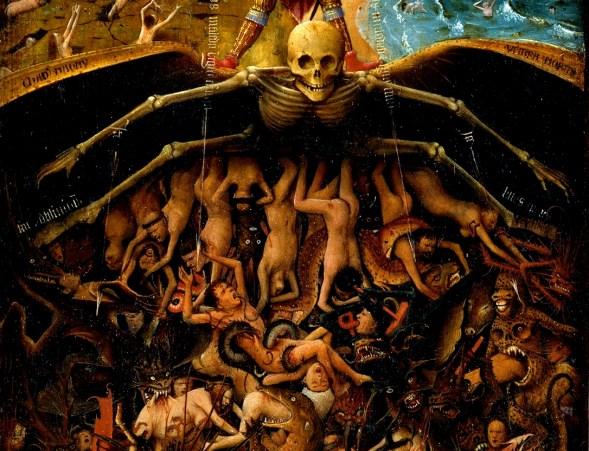
AD 541 Bubonic Plague, black plague, [bacterium yersinia pestis] buboes (groin swelling), inflamed lymph nodes infection, can turn into open sores and fill with pus. , pestilence, Alexandria, Dei Educationis [God’s Education]
The Franks
AD 771 The West – Feudalism.
AD 774 Lombardi Conquer Rome, Italy.
Byzantium – Romaioi continues on for another 1000 years. Flag of Byzantium- Romaioi was the Greek Moon symbol for Goddess Artemis, this eventually became the symbol and flag of Islam. Earthquake, Refuge of Strangers, Justinian AD 482-565, Renovatio Imperii, Nika Riots, Hagia Sophia, Silk monopoly vast wealth AD 550, Eastern Gothic War (535–554) Reconquest, No rise of Nobles. Cistern, Chains across the water.
All Equal under the law. No Feudalism, no Dynasty, Emperors were democratically elected.
The East–West Schism – AD 1054 – Greek v Latin. Rome rises again, but not as an Military Empire, but as the seat of the Holy Roman Catholic Church.
AD 10c, Constantinople (Eye of the world). City of Saints and Relics. Varangian (Viking) Guards. Christian Multicultural. Extreme Class Distinction – rich men bullies, poor men thieves. Spices and Exotic Foods from Indonesia, India, and China. Street Performers talents and skills. by the 11c the city housed over 500,000 people. Seljek Turks – AD 1071, Battle of Manzikert.
.
.
.
.

Rome Expansion
year – rulers – known of at time – know as today
.
.
March of the Caligae –A Study in Roman Discipline and Dread
It is a curious spectacle, worthy of the most attentive historian, to contemplate the humble yet formidable caligae—that robust military boot which bore the feet of the Roman legions across the expanse of the Empire. Born of necessity and perfected through the art of war, the caligae was constructed of supple leather, carefully cut into interlacing straps, and affixed to a sole of resolute thickness. Yet it was not the leather alone which commanded respect, but the hobnails embedded therein, iron studs which lent each step a sonorous accent, a clarion call of Roman resolve.
From its earliest employment, the caliga served both the soldier and the state. Its open-worked design allowed the foot to breathe amidst the rigours of arduous campaigns, while its iron-studded sole bore the weight of men across uneven terrain with remarkable durability. One may scarcely conceive the distances thus trodden—twenty, thirty miles in a single day—without the soldier’s foot succumbing to the infirmities of fatigue or injury. And yet, fortified by leather and iron, the caliga endured, becoming an emblem of Roman ingenuity.
Beyond mere utility, the caliga performed a subtler, more insidious function: it terrified those upon whom Rome’s legions fell in march. Consider the effect upon a provincial hamlet, ignorant of the Empire’s disciplined approach, when the unrelenting cadence of hundreds of hobnailed boots struck the earth in synchronized rhythm. The sound, at once mechanical and inexorable, announced the presence of power and the certainty of order; it was as if the very soil quivered beneath the approach of a determined host. Soldiers of the Empire, known for discipline as much as for courage, became instruments of intimidation, their boots ringing out a terror as effective as the blade which might follow.
Thus, the caliga—though modest in appearance—was an instrument of strategy, a tool of discipline, and an agent of dread. It is not without reason that the young Gaius Caesar, later surnamed Caligula, acquired this moniker in his youth, attired in diminutive replicas of the soldier’s boot: a living symbol of the martial order which would define his family and their epoch.
In the march of history, one may say, it is not always the sword which is feared, but the measured sound of the soldier’s step, a testament to the might, endurance, and organization of Rome itself.

Hear ye, hear ye, honored guests and students of history!
Sacrum Volumen Alutarii
Let it be known that the humble yet formidable caligae—the boot which bore the feet of Rome’s mighty legions—shall find new life through your hands. Crafted of leather, reinforced with iron hobnails, and worn by soldiers who marched across the Empire, the caligae was both instrument of endurance and agent of dread. – Caligati! The rhythmic clatter of its soles struck terror into the hearts of Rome’s foes, announcing the approach of discipline and power before a sword was ever drawn, Caligati!
Now, you are invited to work alongside the cordwainer and fashion for yourselves a pair of these legendary “Caligula little boots”. Each pair will teach patience, skill, and the artistry of this Roman craft. Those so inclined may fashion additional pairs for the theatre department, to bring the spectacle of Roman legions vividly to life upon our stage.
Bear in mind, this labour is noble yet demanding: one might hope to complete one or perhaps two pair, if fortune and diligence allow. And yet, even such modest toil shall preserve history, give it voice, and allow you to wear the past upon your very feet.
Step forth, artisans and scholars alike, and join in this living tribute to where all roads lead, Rome, her legions, and the enduring caligae!
.
.
.
.
ARTS
Mosaics
title – Dates – Artist – Quotes
–
Architecture
Title Dates – Artists -0 – Quotes
–
Sculpture
Title – Dates – Artist – – Quotes
.
Invention & Engineering
Subject/Topic – Dates – Invention – Inventor – Quotes
.
Literature – Poems – Play – Stories
Year – Author – Type – Known As – Work/Title == – Quotes
.
Music –
Instruments – Used For – – Quotes
.
Philosophy
Names – Dates -Known As – Ideas – Quotes””
.
Performances & Sports
Subject/ Title – Year – Summary – Quotes
.
Science
.
Theatre
Name – Dates – Craft – Known as – Works Title – Quotes
Plautus, c. 254–184 BC, Rome. Craft: Playwright. Known As: The most popular Roman comic playwright. Quote: “A fool is one who is always in a hurry.”
Terence, c. 195–159 BC, Rome. Craft: Playwright. Known As: A playwright who adapted Greek comedies for Roman audiences. Quote: “Nothing is said that has not been said before.”
Seneca, c. 4 BC–65 AD, Rome. Craft: Playwright, Philosopher. Known As: A Stoic philosopher and playwright. Quote: “It is not that we have a short time to live, but that we waste a lot of it.”
.
.
.
.
.
.

Greco-Roman Lectures
During July and August, we have visiting speakers who are dedicated and well studied in the areas of Greco-Roman Philosophy, History, Art, Literature, and Ancient Myths. Join them for a series of lectures from our Olympics through the Festival of Ferragosto.
August Topics
The Greco-Roman Theatre – Lecture and Demonstration—Ancient Musical Instruments, Greek Dancing, The Greco-Roman Plays [TBA], Theatre In-the-Round.
Ferragosto Friday – Romulus and Remus, The Etruscans, Lucrecia, S.P.Q.R. Caesar and the Triumvirate, Rome’s Love of the Greeks. Lecture Hall.
Ferragosto Saturday – All Roads Lead To Rome. The Caesars: Julius and Augustus, Emperors Who Conquered the World: A biography. Lecture Hall.
Ferragosto Sunday – Marcus Aurelius, Meditations. Rome fades, not falls. Constantine the Great. Film [TBA], Theatre.
.
Greco-Roman Theatre
Tale of Romulus and Remus – Puppetry Theatre – narrator – music: reeds, bells.
Death of the Etruscans and The Birth of S.P.Q.R. – Mask Theatre – narrator & dance – music: lyre, bells, drum, the mighty cornu.
The Triumvirate and The Great Alliance – Tragic Play – actors – music: lyre, bells, reeds, horns, drum.
Café – The café will be serving Gazpacho Soup, a Greek Salad with White Italian bread, or Italian bread with anchovies, marinara, five kinds of Italian cheese and fresh oregano. Deserts: Italian Ice, Italian Cookies, Cannoli.
This Event takes place on the last Saturday in July, or 1st Saturday in August. Feel free to bring a picnic.

Show Times:
Show Times:
Puppets Show – 2PM
Masks Theatre – 4PM
Plays – 7PM
All performances take place at the theatre in the wood. In-between times there will be sports games, water fun and hiking. All games stop when the horns blow, they will resume afterward. The skilled craftsmen will offer demonstrations during the odd hours starting at 11AM. Listen for the bells. Strolling musicians will be strolling, and the pagans will be dancing in the woods, singing and reciting poetry to the gods and all the fairy folk.
By Jupiter, if the weather becomes wild, all performances will be in the theatre, skilled crafts in the studios, and plays and sports will be conducted in the gym until Juno arrives, bringing fair weather.
The Captain of the Gate
“Then out spake brave Horatius,
To every man upon this earth
And how can man die better
Than facing fearful odds,
For the ashes of his fathers,
And the temples of his Gods.”
-Lord Macaulay, Lays of Ancient Rome
.
.
.
Ancient Rome is known for its impressive engineering feats, many of which have had a lasting impact on the world. Here are some of the most significant Roman engineering accomplishments:
-
-
- Roman Aqueducts – An extensive network of channels, tunnels, and bridges designed to transport water from distant sources into cities and towns, ensuring a reliable water supply for public baths, fountains, and private households.
- Roman Roads – A vast network of well-constructed roads that connected cities across the empire, facilitating trade, communication, and military movement. Famous examples include the Via Appia and the Via Augusta.
- The Colosseum – An iconic symbol of ancient Rome, this amphitheater could seat up to 50,000 spectators and featured advanced engineering techniques, such as the use of concrete and a complex system of underground passages and lifts.
- Roman Bridges – The Romans constructed numerous durable and elegant bridges, some of which still stand today, such as the Pont du Gard in France and the Alcántara Bridge in Spain.
- Roman Architecture – The Romans pioneered the use of the arch, vault, and concrete in their buildings, enabling them to create large, open spaces and monumental structures like the Pantheon and the Baths of Caracalla.
- Roman Fortifications – The Romans built impressive defensive walls and fortresses, such as Hadrian’s Wall in Britain and the Aurelian Walls in Rome, to protect their territories and cities.
- Roman Siege Weapons – The Romans developed advanced siege weapons, such as the ballista and the onager, which were used to besiege enemy cities and fortifications.
-
These great engineering feats of ancient Rome showcase the ingenuity and skill of Roman engineers and their lasting impact on the world. As you continue your research and writing on ancient Rome, feel free to upload your work when you’re ready, and I’ll be happy to review it for you.
.
.
suggested terms for a glossary of ancient Rome:
-
-
- Aedile – A magistrate responsible for public buildings, festivals, and markets.
- Aqueduct – A system of channels, tunnels, and bridges designed to transport water from distant sources into cities and towns.
- Augustus – The title given to the first Roman emperor, Octavian, and subsequently used by later emperors.
- Caesar – A title used by Roman emperors, derived from the family name of Julius Caesar.
- Centurion – A professional officer in the Roman army, typically in command of a century (80-100 soldiers).
- Circus – A large, oval-shaped stadium used for chariot racing and other public events, such as the Circus Maximus in Rome.
- Consul – One of the two highest magistrates in the Roman Republic, elected annually.
- Dictator – A magistrate with extraordinary powers, appointed in times of emergency during the Roman Republic.
- Forum – The central public space in Roman cities, used for political, commercial, and social activities.
- Gladiator – A professional fighter who entertained audiences in amphitheaters and other venues.
- Legion – The basic unit of the Roman army, consisting of about 5,000 soldiers.
- Lictor – A civil servant who attended magistrates and carried the fasces, a symbol of their authority.
- Patrician – A member of the wealthy, elite class in ancient Rome.
- Plebeian – A member of the common people in ancient Rome.
- Pontifex Maximus – The chief priest in ancient Rome, responsible for overseeing religious ceremonies and maintaining sacred buildings.
- Praetor – A magistrate responsible for administering justice and commanding armies.
- Senate – The advisory council of wealthy and influential Romans that played a significant role in the governance of the Roman Republic and Empire.
- Tribune – A magistrate elected to represent the interests of the plebeians in the Roman Republic.
- Triumph – A ceremonial procession held to celebrate a significant military victory, awarded to successful generals.
- Vestal Virgin – A priestess dedicated to the goddess Vesta, responsible for maintaining the sacred fire in the Temple of Vesta.
-
The Roman horn you’re thinking of is called the “cornu” (plural: “cornua”). The cornu was a brass instrument used by the Roman military and in ceremonial contexts. It was characterized by its distinctive curved shape, resembling the letter “G,” and had a conical bore. The cornu was played by buzzing the lips into a detachable mouthpiece, similar to modern brass instruments.
The cornu was used to give signals and commands to Roman soldiers during battles and to accompany public events and religious ceremonies. Its sound was loud and piercing, making it an effective means of communication on the battlefield and in large gatherings.
Adding the cornu to your glossary of ancient Rome will provide your readers with a better understanding of Roman military and ceremonial practices. As you continue your research and writing, remember that I’m here to help you with any questions or concerns you may have throughout the process. Feel free to upload your work when you’re ready, and I’ll be happy to review it for you.
.
Roman Gods and their Greek Counterparts:
-
-
- Jupiter (Zeus) – King of the gods, ruler of the heavens, and god of the sky, weather, and justice.
- Juno (Hera) – Queen of the gods, goddess of marriage, family, and childbirth.
- Minerva (Athena) – Goddess of wisdom, strategy, warfare, crafts, and the patron goddess of Rome.
- Apollo (Apollo) – God of light, music, poetry, prophecy, and healing. (The name remains the same in both Greek and Roman mythology.)
- Venus (Aphrodite) – Goddess of love, beauty, and desire.
- Mars (Ares) – God of war, agriculture, and the guardian of Rome.
- Diana (Artemis) – Goddess of the hunt, the moon, and chastity.
- Mercury (Hermes) – Messenger of the gods, god of commerce, travel, and thieves.
- Neptune (Poseidon) – God of the sea, horses, and earthquakes.
- Vulcan (Hephaestus) – God of fire, metalworking, and the forge.
- Ceres (Demeter) – Goddess of agriculture, fertility, and the harvest.
- Bacchus (Dionysus) – God of wine, fertility, theater, and religious ecstasy.
- Vesta (Hestia) – Goddess of the hearth, home, and domestic life.
- Pluto (Hades) – God of the underworld, wealth, and the dead.
-
.
Rome: The Empire of Innovation chronicles the rise and fall of the ancient Roman Empire, from its humble beginnings as a small city-state to its transformation into a vast and powerful empire. This text explores the political, social, and technological developments that shaped Roman history, examining the establishment of the Roman Republic, the rise of Julius Caesar, and the Pax Romana under the emperors Augustus and Marcus Aurelius. The book delves into the remarkable engineering feats of the Romans, from the construction of aqueducts and roads to the creation of monumental architecture like the Colosseum and the Pantheon. Rome: The Empire of Innovation is a testament to the enduring legacy of Roman civilization and its impact on the world.
.
Greco-Roman Millau
Rome Timeline
Rome Historical Markers
.Ancient Rome Texts
Major Greco-Roman Deities Gods –
Glossaries:
Terms –
Arts –
Historians –
Great Roman Men
Below
Link to the Celebration August
Etruscans
SPQR SPQRSPQRSPQRSPQRSPQRSPQRSPQRSPQRSPQRSPQRSPQRSPQRSPQRSPQRSPQRSPQRSPQRSPQRSPQRSPQRSPQRSPQRSPQRSPQRSPQRSPQRSPQRSPQRSPQRSPQRSPQRSPQRSPQRSPQRSPQRSPQRSPQRSPQRSPQRSPQRSPQRSPQRSPQRSPQRSPQRSPQRSPQRSPQRSPQRSPQRSPQRSPQRSPQRSPQRSPQRSPQRSPQRSPQRSPQRSPQRSPQRSPQRSPQRSPQRSPQRSPQR
.
Rome, August Schedule
August is Family Month. After all the excitement of the high-summer month of July, the PEACH Community begins to rest in the lazy days of summer. Nature continues to breathe deep, but now with ripening fruits and the first harvest. August 1st is Family Day, a day for a lovely picnic or making ready for the vacation to come. The First Weekend sees the transformation from Greece to the Greco-Roman Theatre. Followed by the Assumption of the Virgin, a very peaceful gathering. Finally, it is met with a lovely family celebration of Ferragosto, the enjoyment and fun of the Roman Circus, the creation of a God, Italian music, food and fireworks. The PEACH then grows quiet from the middle of August through Labor Day. Residents, Members and Workers take the time to spend with their families. In August, parts of the Community are closed for the entire month. Most have limited hours or are open for emergencies only. Officially, all PEACH business is dormant from the 15th on. See the schedule below.
.
.
Rome History & Events
Founding of Rome, Romulus & Remus (753 BC): Founding by Romulus, establishing Rome’s cultural and political identit,setting cultural roots.
Etruscans, Lucretia, SPQR (509 BC): Overthrow of Etruscan king Tarquin the Proud after Lucretia’s assault, founding the Roman Republic (SPQR). Monarchy overthrown, Republic begins
Cincinnatus (458 BC): Legendary dictator who saved Rome and returned to his farm, symbolizing civic virtue, a model for Machiavelli’s ideal leader.
Rome Takes Greece, 197 BC end of the Hellenistic era but Rome carries its torch.
Greco Roman Era Begins
Punic Wars (264–146 BC): Rome’s victory over Carthage, establishing Mediterranean dominance.
Triumvirates I & II (60–53 BC): First Triumvirate (Caesar, Pompey, Crassus, 60–53 BC). Julius Caesar’s Assassination (44 BC): Sparked Republic’s end, Empire’s rise.
Second (Octavian, Antony, Lepidus, 43–33 BC) marked power struggles, leading to the Republic’s end, Augustus Becomes First Emperor (27 BC): Octavian’s rule began Pax Romana.
Constantine (306 AD): Likely refers to Constantine’s rise (306 AD) or Edict of Milan (313 AD), legalizing Christianity, Edict of Milan (313 AD): Legalized Christianity, shifting Rome’s culture.
Fall of Western Roman Empire (476 AD): Odoacer deposes Romulus Augustulus, marking medieval transition.
Roma
Rome was established on April 21st, 753BC (2775). Originally, the city was founded by Romulus and Remus, twin orphan brothers, set adrift on the river, landing in the reeds and saved by a she-wolf. In these reeds, and on the seven surrounding hills, is where Rome Empire was rooted.
Romulus and Remus – 1000 years before the founding of Rome came the children of Mars. At birth, the twins were condemned to death, snatched from their mother, the vestal virgin Rhea Silvi. Her uncle, King Amulius, had a slave take the twins to the River Tiber to be drowned. However, the slave placed the children in a basket and set it upon the river instead. The river, guided by Neptunus, was kind to the children and safely guided the basket to a patch of reeds under the shade of a fig tree. There they were met by a she-wolf and a woodpecker. The wolf suckled the children as if they were her own, and the woodpecker nurtured them with foods from the trees. They were later discovered by the Shepherd named Faustulus, who raised and taught them his trade.
The Latins and the idea of family – The Roman familia was a patriarchal nuclear family. This Domus (structure) included a number of extended family members: grandparents, uncles, aunts, and cousins. In ancient times this included both household and freed slaves.
From the Etruscans to Rome.– The question often asked, “Who were the Etruscans?” The answer, “Exactly.” The Etruscans were originally from Tuscany, Rome was a province. We know little about them because the Romans slaughtered them all and destroyed almost every trace of their existence, save a few tombs and foundries. Examples of their still exists, mostly sculpture, is due only because it has been found in other cities and far away lands through trade. We know the station of women in Etrustcan society was almost equal to men, unheard of in the ancient world, and we know they were sexually explicate in their relationships. having sex openly in groups and in public, also shunned in the ancient world. After the slaughter, Rome put an end to this behavior. The Etruscans were quite intelligent and very industrious, almost everything the Romans knew or built they first learned from the Etruscans. Overall, the Etruscans were sharply divided by class and although resented by the Latins this eventually shaped the course of Rome. Extremely brutal games, to the death, were played in homage to heroes or great men. The Romans loved these games, over the course of time many Romans lived for these games, and consumed by this brutality, Rome came of age, through death.
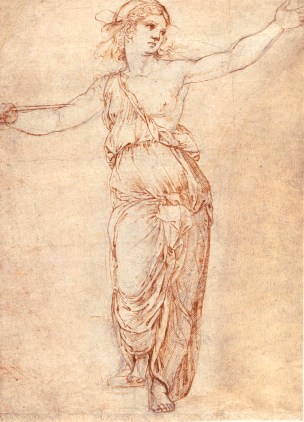 Lucrecia -A virtuous, beautiful and noble Roman woman. Her rape and subsequent death put an end to Roman Kings and set off the Roman Republic.
S.P.Q.R.– Senātus Populusque Rōmānus [The Senate and People of Rome]. The establishment of the First Democracy.
Rome’s Love of the Greeks – Some believed that Rome was nothing more than a copy of Greek Culture, but this is not true. Rome refined what the Greeks had established. They put this to practice on a massive scale, or tried. What they accomplished and later inspired was a further refinement a thousand years later during the Italian Renaissance. Romans loved and admired Greek culture, especially the élite, many of who wished to be Greek. During the time of the Caesars, especially in southern Italy, you would be hard-pressed to tell the difference between a Roman and a Greek. Most of the Roman élite spoke Greek more than Latin. We witness this later when Christianity sweeps the Empire.
Greco-Roman Gods – The Romans took on the Greek Gods, made them fit with their own or adopted them into their culture milieu. Greek Gods are depicted as perfect and beautiful, the true ideal to strive for as humans. The Roman Gods are not often depicted in a physical form, they are seen through the eye of the mind’s imagination. Greek gods embrace human traits: love, hate, honor, dignity, they are shaped by these traits. Roman Gods are based on objects and actions. The actions of the Greek Gods are individualistic, the individual’s deeds are more influential than the groups. Roman Gods are depicted in a hierarchical structure, a top down group mentality. The afterlife is blurred in Greek mythology, Gods and mortal move fluidly between the two worlds. In the afterlife, Romans lived their lives in order to secure their place in heaven amongst the Gods.
The Caesars – How did the Republic begin? Why did it fail? The Triumvirate. Deaths For Power. The Stoics. The Spark of Christianity.
Tribes
There were a number of tribes in the surrounding area of Rome. These were the main tribes and what would eventually make up the core of the Roman Empire.
Etruscans –
Sabines –
Latins –
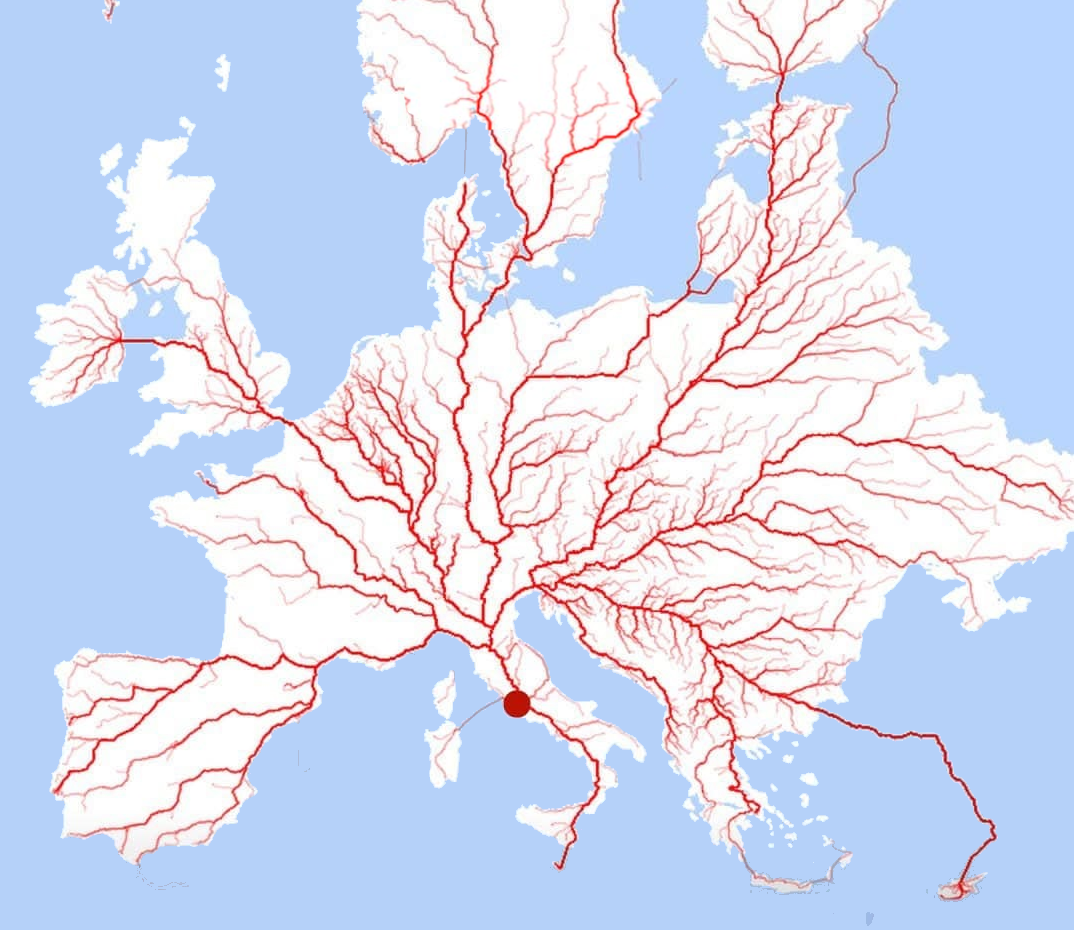
All Roads Lead to Rome
Roman Government
Servius Tullius, Birth, Unknown. Death, 579 BC. Servius was the Sixth King of Rome, First Etruscan King. There are no drawing, paintings or descriptions of what he looked like. His birth is sketchy, and nobility in question. However, it is understood that he was a good King, popular, loved and admired. The organizational policies he enacted and developed during his rule allowed Rome to become the Republic it came to be known throughout the world. His reign lasted 44 years. Servius Tullius developed the first census, this allowed him to organized and created a working government. In exchange for services to the city, individual rights were granted based on class, and work provided, including military service. He expanded Rome’s territory, and trade, fought her enemies, developed Rome’s first coin, and built the Temple to Fortunes and Diana. Servius was assassinated by his daughter Tullia and son-in-law Lucius Tarquinius Superbus in order to take the thrown. He was a brutal and decadent overlord and created what can only be called a reign of terror. This conspiracy and murder did not go over well amongst the people, and it all came to a head when the son of King Tarquinius raped the chaste and honored maiden Lucrecia. For her shame, she committed suicide. Upon hearing this the Romans tore the city apart, wiped clean every trace of the Etruscans and their culture. It also ended the reign of all Roman Kings. However, it opened the doors to what Servius Tullius had worked for and perhaps even planed for Rome, the first Republic.
Arch –
Census – Initiated by the Etruscan King, Servius Tullius. it is the organized counting of the people. Eventually, the collecting of data based on class and station, needs and wants, service and resources. It is an accounting of everything and everyone available. In exchange for taking part you are given rights, responsibilities and citizenship, you are allowed to participate in the community.
509BC – World’s First Republic, Administered by the Rule Of Law
Speculatores 500BC – Postal System
Consul – This was the highest elected political office of the Roman Republic. Two consuls were elected serving jointly for a one-year. Two were chosen in order to create a check on the power of any individual citizen elected. Both had the power of Veto the decision of the other. In 27BC the office became symbolic, standing as a point of historic heritage, the Consul held little power since the Emperor was given supreme authority.
Legions – Each class dedicated a certain number of people to protect the city.
Republic – Not equal, but representational government. Civic pride.
Plebeian Council – The Public Council. This has somewhat of a complex and convulsed history. Starting out as representation of the tribes, but eventually evolving into the representation of the Citizen of Rome. It dealt with local, legal and religious matters,
Patronage and Politics – Started out with the best of intentions, ended up with one hand washing the other. Rome was never about equality, it is, in many ways, a separation of class, Patronage helped rig elections and kept it in favor of the wealthy. Thus, compromising the ideals of the Republic. The excess, gluttony, and degeneracy Romans first railed against the Etruscan King ended up consuming them as well.
Senate – A Representative from each district, to speak on behalf of the people. Guardians of Roman Traditions. They received no pay, they served for honor, and to share their wealth of experience, and wisdom. Which is why most of the Senate were elders.
Dictatorial Rule – This provision had a 6 month term, and was filled by a worthy man with the desire to serve only in the case of an emergency.
Lucius Quinctius Cincinnatus – 519BC – He was a Roman patrician, statesman, military leader, a farmer and land owner. He was also Rome’s first dictator. When Rome was attacked by the Aequian Tribe in the east the goal, as dictator, was absolute service and sacrifice. He led the men into battle.16 days later, the threat had been removed. He then quietly gave up his office and went back to his farm.
Roman Statesmen
Publius Valerius Poplicola – Died, 503BC – codified laws.
Scipio – 194BC
Cicero – 106BC – 43BC.
Gaul – 390BC The Sacking of Rome
Stoicism – Strength Honor Dignity
The 7 Habits of Highly Stoicism
Military Discipline – Complete
Brotherhood – Unity
Vestal Virgins = Six, , Duty sacred fire of Vesta (goddess of the heart), vow of chastity, Honors, Death
Weapons – Taken from other tribes and made better
Carthage – Pearl of the Mediterranean, 264BC – 146BC. The sacrificing of newborns is what sparked the ire of Rome. Though some have doubts, and believe the Punic Wars were part of Rome’s hunger for Empire.
God’s sent a ship –
Corvus – A plank extension on a ship, designed to board another ship, making it easy to cross over and fight the enemy as if he were on land.
Aqueducts – 312BC
Punic Wars – Empire Building 200s BC
264BC – 1985AD – Carthage
264–241 BC: The First Punic War, sparked by a dispute over Sicily, pitted Carthage’s naval power against Rome’s rising military might. Rome built its first large fleet and ultimately won, forcing Carthage to give up Sicily.
Denarius – 211BC silver coin
218–201 BC: The Second Punic War saw the brilliant Carthaginian general Hannibal invade Italy by crossing the Alps with his army and war elephants. He achieved stunning victories, but the Roman general Scipio Africanus ultimately defeated him at the Battle of Zama in 202 BC.
197BC – Macedonia
149–146 BC: In the Third Punic War, the Romans, with the support of the influential senator Cato the Elder, laid siege to Carthage. The city was razed to the ground, its population was sold into slavery, and the surrounding land was placed under Roman control.
After its destruction, Carthage was resurrected as a major city in the Roman Empire and passed through several hands as the empire declined.
146 BC–698 AD: The Roman and Byzantine city – After its destruction, Carthage was resurrected as a major city in the Roman Empire and passed through several hands as the empire declined.
146BC – Annexation of Greece
135BC–132BC – Slave Rebellion –
Hannibal v Scipio –
Military Career: Marius, mules – Sulla, military control of the state –
Julius, dictator for life.
The Triumvirate
Pompeius – 106BC
Julius – 100BC
Licinius – 115BC
Julius – veni, vidi, vici “I Came, I Saw, I Conquered.”
Rubicon – Civil War, The end of the Triumvirate.
Augustus – 1st Roman Emperor – Res Gestae “I Restored, Completed, I Built, I Gave.”
Peace at last! Pax Romana
Roman Historians
Sallust – 86BC
Livy – 56BC
30 BC – Rome takes Egypt exclaiming Alexander’s legacy.
Which Way, Find Balance or Materialism?
BC AD –
33 AD Material ruled, but shaping it was spirit—man’s fate teetered.
Tacitus – AD 56
Fire 64 AD
Romanian AD 69 Last lands acquired by Rome
The End of Rome’s expansion slowed by AD 106. At it’s height, in AD 117, Rome stretched 2.3 million square miles. To be Roman meant unity over individualism. conformity over diversity, uniformity and order. Rome sought to tame nature, build, engineered and provided safe travel. One law, one trade, one coin. All Roads led to Rome.
AD 107 – Catholic Church, first used by Ignatius of Antioch in his Letter to the Smyrnaeans. Origins Greek, katholikos the whole. Its meaning, universal, world-wide, inclusive church.
AD 117 – 138 Hadrian
Barbarians – People without a written language
AD 121 – 180 Marcus Aurelius
AD 165 – 180 Antonine Plague – 2 million deaths.
AD 180 – Commodus – the beginning of the end.
AD 190 – The poor rise up.
AD 218 – Degeneracy Reigns – Elagabalus –
The Proletariat – Are You not entertained? From a handful of games to170 games a year.
The fabric of community begins to fall apart.
AD 200 – The Christians
Gothic Wars – AD 248 – 554
AD 203 Carthage, torture of the Christians – Perpetua
AD 248 – Millennial Games- Rome celebrates 1000 years, while those at its edges attack from every side.
Nature Attacks – Climate change pushed the Eastern Tribes West into Roman lands. Goths, Slavs, Vandals, Visigoth, Alans, Saxons, Uralians, Franks, Persians, Pushed in and invaded
AD 260 – Humiliations of Emperor Valerian by Persia King – Rome begins to crack.
Military uprising. Taxes rise. Bureaucracy Grows. Speculatores become the first spies.
AD 300 – Internal strife and destruction, military anarchy. From Gold to Iron and Rust.
Civil Wars 30 Emperors
5 Million Christians AD 250 Spiritual Equality, Meetings underground in the catacombs. women served the communion. they refused to serve any other gods. martyrdom salvation charity
AD 303 Diocletian a Roman General now Emperor split the Roman Empire in two, making Mediolanum [Milan], the capital in the West. He formed he Tetrarchy, two rulers in each area. He regarded himself the son of Jupiter, making the citizens kneel and kiss the hem of his robe. He banned Christianity then massacred Christians across the Empire. He raised taxes, froze prices. Once his reforms took hold and Rome felt peace again , he did what no Emperor had ever done before, he retired. Unfortunately, these reforms would not last due to class struggles, and political infighting. What Rome wanted and needed was a dictator.
AD 331 – 363, Julian the Apostate – Last Caesar of the West, Last Roman Emperor, Last Christian Pagan. [355 to 360]. The nephew of Constantine the Great, he was raised Christian, however, he rejected Christianity, in favor of Neoplatonic Hellenism. He is remembered as Julian the Apostate, and Julian the Philosopher.
.

.AD 306
AD 272 – 337 Constantine the Great, Roman Emperor AD 306 to 337 – Christianity, Arianism v Homousian. 13th Apostle. He moved the Empire From Rome to the city Byzantium, a city he renamed after himself, Constantinople..
.

In Hoc Signo Vinces
Nova Roma –
AD 330 – Martin Of Tours
Byzantium – Romaioi
AD 354 – 430 Augustine of Hippo, Baptized AD 387. The organization of the Roman Latin Catholic Church.
AD 376 The Northern Barbarian uprising.
AD 400 – Christian Civil War
AD 410 Alaric Goth Leader – Alaric I, AD 370 – 410, first king of the Visigoths. AD 395 to 410.
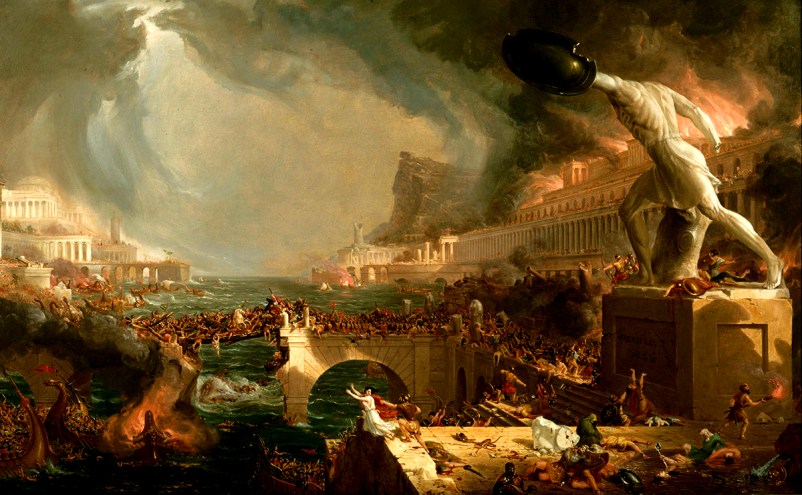
The Sacking of Rome. AD 410 24 August
.
.
.
.
Rome Fades, Not Falls – taxes, taxes, taxes and more taxes, this caused migration. Military loyalties divide soldiers and citizens, this causes civil wars, thus killing populations across the Empire, while others flee. Degeneracy always reigns in the decline of civilization, followed by disease and plagues. However, from this degeneracy people look to religions to be lifted up. Vices vs Virtues – With the world crashing down on the Romans many seek refuge from the church. The Roman Church expands.
AD 476 – The last Emperor of Rome released his guards and retired to his villa, His name was Emperor Romulus.
Rome destroyed
September
-The Middle Ages Begins-
Atilla The Hun
First King of Italy –
Between AD 500 and 1100, Rome and it’s northern lands became Fiefdoms and Kingdoms, the northern areas specking mostly Germanic languages. As the Roman Christian Church expanded, by AD 1100 Latin became the uniting language, eventually connecting all the old Roman lands to the north and south.
Belisarius
.
.
.
.
Living Pan-European and American Cultural and Heritage Community Center

.
EMAIL: peachcommunity yahoo.com
.
.
.
.
.
.
.
.
.
.
.
.
.
.
.
quicklink
.
.
 PEACH COMMUNITY