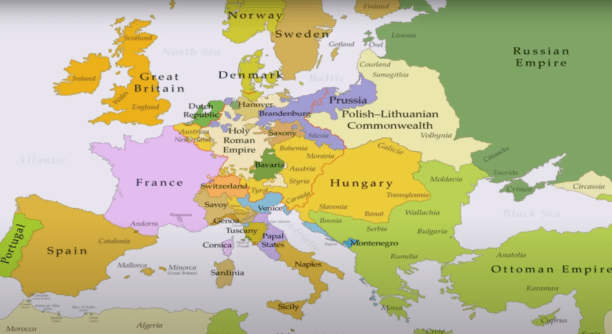
Western Civilization Political Entities (1700s)
British Isles
Kingdom of Great Britain – from 1707 (union of England + Scotland)
Kingdom of Ireland – nominally separate, under British crown (1542–1801)
France
Kingdom of France – (987–1792)
Iberian Peninsula
Kingdom of Spain – continuous (1479–present).
Kingdom of Portugal – restored 1640, independent throughout the 1700s
Low Countries
Dutch Republic (United Provinces) – 1648–1795.
Austrian Netherlands – from 1714 (Spanish Netherlands transferred to Austria)
Regno d’Itali & Papal States
Republic of Venice – until 1797
Duchy of Milan – Austrian control from 1707
Kingdom of Naples – Austrian 1714–1735, Bourbon from 1735
Grand Duchy of Tuscany – Medici until 1737; Habsburg-Lorraine thereafter
Duchy of Savoy – becomes Kingdom of Sardinia in 1720
Republic of Genoa – until 1797
Duchy of Modena and Reggio
Duchy of Parma –
Republic of Lucca – until 1805
Holy Roman Empire (major states)
Austria (Habsburg Monarchy) –
Bohemia – firmly integrated into Austria
Electorate of Bavaria –
Kingdom of Prussia – from 1701 (Brandenburg elevated)
Smaller Duchies, Bishoprics, Free Cities – continuous until 1806
Scandinavia
Kingdom of Denmark–Norway – union until 1814
Kingdom of Sweden – great power until 1721, reduced thereafter
Central & Eastern Europe
Polish–Lithuanian Commonwealth – (1569–1795)
Russian Empire – from 1721 (successor to Tsardom of Russia)
Swiss Confederacy – independent, recognized 1648
.
History of History
History 1690–1790
Rulers & Leaders
Australia Colony
Austria-Hungary
Balkans
Canada
Eastern European
France
Maximilien Robespierre (1758–1794, French) – TITLE: Influential leader during the French Revolution and the Reign of Terror, advocating radical republicanism and virtue. Executed by guillotine. QUOTE: “The secret of freedom lies in educating people, whereas the secret of tyranny is in keeping them ignorant.”
Louis XVIII, 1755–1824, French, King of France after Napoleon’s fall, restored Bourbon monarchy under constitutional charter, attempted to balance royal power with revolutionary changes.
Quote: “The nation is governed too much.” — Louis XVIII
Napoleon Bonaparte, 1769–1821, French, Emperor of the French and military genius, he reshaped Europe through wars and reforms, influencing modern state administration and law.
Quote: “Impossible is a word to be found only in the dictionary of fools.” — Napoleon Bonaparte
Greece
Kingdom of Great Britain – England and Scotland
Charles I-
Charles II –
Charles Cornwallis (1738–1805, British) – TITLE: British Army general best known for his surrender at Yorktown during the American Revolutionary War, ending major hostilities. Later served as Governor-General of India. QUOTE: “Truth is my guide, and I will not depart from it.”
Arthur Wellesley, Duke of Wellington, 1769–1852, British, Military commander who defeated Napoleon at Waterloo; later served as British Prime Minister.
Quote: “The battle of Waterloo was won on the playing fields of Eton.” — Duke of Wellington
Horatio Nelson, 1758–1805, British. Admiral known for his decisive naval victories during the Napoleonic Wars, including the Battle of Trafalgar, establishing British naval supremacy.
Quote: “England expects that every man will do his duty.” — Horatio Nelson
Authors
Dr. Samuel Johnson. 1709 Lichfield, England 1784 London, England – Author connection
Edward Gibbon
Regno d’Itali
Portugal
Prussian
Frederick the Great (1712–1786, Prussian) – TITLE: King of Prussia, renowned military commander and enlightened absolutist. Led Prussia through the War of Austrian Succession and the Seven Years’ War, establishing Prussia as a European power. QUOTE: “A crown is merely a hat that lets the rain in.”
Russia
Peter the Great (1672–1725, Russian) – TITLE: Tsar of Russia who modernized the country’s military, government, and culture, founding St. Petersburg as the new capital. Led extensive reforms that transformed Russia into a major European power. QUOTE: “I have conquered an empire but I have not been able to conquer myself.”
Paul I of Russia (1754–1801, Russian) – TITLE: Emperor of Russia, known for his unpredictable rule and reforms before his assassination. QUOTE: “The greatest glory is to die for one’s country.”
Tsar Alexander I of Russia (1777–1825, Russian) – TITLE: Emperor of Russia during the Napoleonic Wars. Part of the coalition that defeated Napoleon, later known for conservative policies. Key figure at Congress of Vienna, balancing European power post-Napoleon. QUOTE: “A man must be strong to be just.” “I desire peace, but I am not afraid of war.” — Alexander I
Scandinavian & Baltic
Spain
Simon Bolivar, 1783–1830, Venezuelan, Military and political leader who played a leading role in Latin America’s successful struggle for independence from the Spanish Empire, known as “El Libertador.” Quote: “Slavery is the granddaughter of war.” — Simón Bolívar
South Africa
United Kingdom
Charles Cornwallis (1738–1805, British) – TITLE: British Army general best known for his surrender at Yorktown during the American Revolutionary War, ending major hostilities. Later served as Governor-General of India. QUOTE: “Truth is my guide, and I will not depart from it.”
Arthur Wellesley, Duke of Wellington, 1769–1852, British, Military commander who defeated Napoleon at Waterloo; later served as British Prime Minister.
Quote: “The battle of Waterloo was won on the playing fields of Eton.” — Duke of Wellington
Horatio Nelson, 1758–1805, British. Admiral known for his decisive naval victories during the Napoleonic Wars, including the Battle of Trafalgar, establishing British naval supremacy.
Quote: “England expects that every man will do his duty.” — Horatio Nelson
United States – America Colony
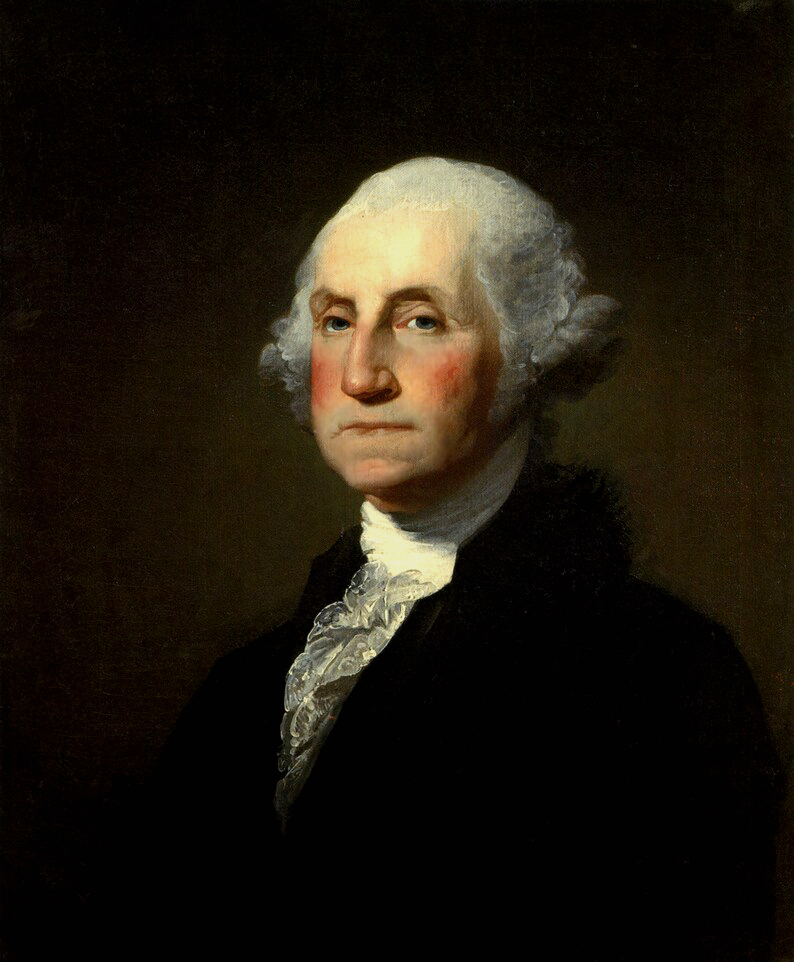
George Washington, (1732–1799, American) TITLE: First President of the United States (1789–1797), Commander-in-Chief of the Continental Army during the American Revolution established many precedents for the new nation. Key figure in founding the United States. QUOTE: “It is better to be alone than in bad company.”
Revolution
Constitution
Bill Of Rights
Whisky Rebellion – 1794 Farmers from Western Pennsylvania rose up in protest of what they saw as unfair taxation and provided the new nation, and George Washington, with a looming crisis.
Louisiana Purchase
Monroe Doctrine
Mexican–American War
I Killed The Bank
——
.
.
Activist & Human Rights Advocates
.
.
Industrialists & Scoundrels
.
.
Discovery & Travel
.
.
Invention & Engineering
Literature
.
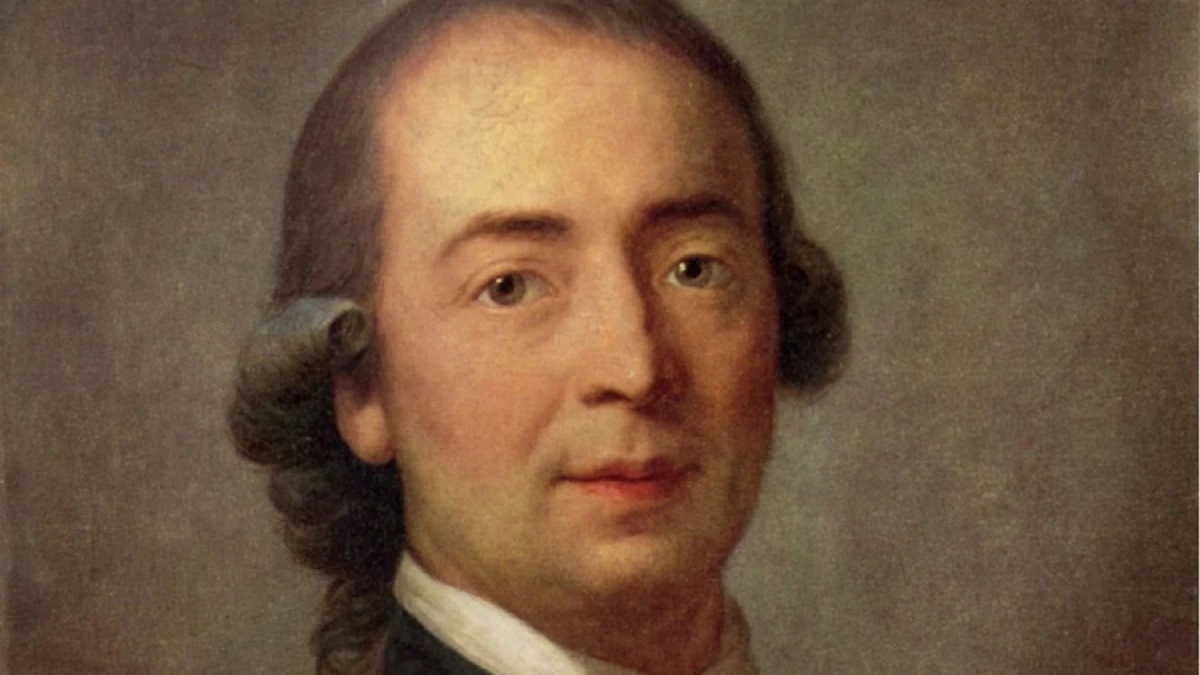
Johann Gottfried Herder
Herder was one of the great minds of his time. He is mentioned in the same breath as Lessing’s, Goethe’s, and Schiller’s. His ideas advanced newly developing fields of historical linguistics and history, he promoted a new climate theory, and popularized the notion of the zeitgeist, spirit of the age. While Herder’s legacy has at times appeared to be lost his ideas are the foundation of all modern philosophy.
TITLE: Father of Cultural Nationalism – The German Rousseau. He was a Philosopher, literary critic, theologian, poet
BORN: August 25, 1744 – Mohrungen, Prussia (now Morąg, Poland)
DIED: December 18, 1803 – Weimar, Germany
PARENTS: Mother: Anna Elisabeth Herder (née Klein)
Father: Gottfried Herder (weaver, sexton, and schoolmaster)
SIBLINGS: Several siblings (exact names and number not well-documented; Herder was the eldest surviving child)
SPOUSES: One – Caroline Flachsland (married 1773–1803)
CHILDREN IN WEDLOCK: Eight children (including Adelbert von Chamisso’s stepfather, and others who survived to adulthood)
OUT OF WEDLOCK: None confirmed
MOST MEMORABLE ACCOMPLISHMENT(S): Pioneered the concept of Volk (people/nation) and cultural relativism — arguing each culture has its own unique value and spirit (Volksgeist). Developed early ideas of historical development, organic growth of languages/cultures, and the importance of folklore/national literature. Influenced German Romanticism, nationalism, anthropology, and the Sturm und Drang movement.
EDUCATION/MENTORS: Studied theology and philosophy at University of Königsberg (1762–1764).
Key Mentor: Immanuel Kant (his professor at Königsberg, who shaped his early critical thinking). Influenced by Johann Georg Hamann (the “Magus of the North”) and later by Goethe (close friend in Weimar).
YEARS OF RULE OR VOCATION/ACCOMPLISHMENTS/AFFILIATIONS: 1764–1769: Teacher and preacher in Riga.
1769–1770: Travelled to France; published early works.
1770–1776: Clergyman and court preacher in Bückeburg.
1776–1803: General Superintendent and court preacher in Weimar (under Duke Carl August).
Affiliations: Sturm und Drang movement, Weimar Classicism circle (Goethe, Schiller), Lutheran theology.
NAME OF SUCCESSOR: None formal; intellectual heirs include Goethe, the Romantics (e.g., Novalis, Schelling), Hegel, and later nationalists/anthropologists.
WORKS/BOOKS/SYMBOL/EMBLEM: Ideen zur Philosophie der Geschichte der Menschheit (Ideas for the Philosophy of the History of Humanity, 1784–1791) – his magnum opus on cultural evolution. Abhandlung über den Ursprung der Sprache (Treatise on the Origin of Language, 1772) – prize-winning essay. Volkslieder (Folk Songs, 1778–1779) – collection that inspired the Romantic folklore revival.
CONTEMPORARIES/RIVALS: Immanuel Kant (teacher, later philosophical opponent)
Johann Wolfgang von Goethe (close friend and collaborator)
Friedrich Schiller
Johann Georg Hamann (early influence)
Voltaire, Rousseau (influences and points of contrast)
LEGACY/INFLUENCE: Herder is considered a foundational figure in cultural anthropology, nationalism, Romanticism, and the philosophy of history. He shifted European thought from universal rationalism (Enlightenment) to appreciation of cultural diversity, the organic development of nations, and the value of folk traditions. His ideas influenced German unification movements, 19th-century nationalism (both positive and later misused), modern linguistics, ethnography, and even postcolonial theory. He argued against Eurocentrism and for the equal worth of all cultures — a radical position in his time.
MEMORABLE QUOTE:
From Herder himself: “Nationality is the poetry of history.”
Alternative from Goethe: “Herder is the first who has made us feel the value of the folk song and the folk tale.”
======================
Herder & Goethe ~ Destiny & Fate
Johann Gottfried Herder became and was indeed a true student of Goethe — though the relationship was more of a mutual mentorship and intellectual partnership than a simple teacher-student dynamic. Here’s how it unfolded and why Herder qualifies as one of Goethe’s most formative influences (and vice versa)
The Early Bond (1770s) Herder was older (born 1744) and already established when they met in Strasbourg in 1770.
Goethe (born 1749) was 21, a law student, and deeply impressed by Herder’s ideas.
Herder mentored Goethe intensely during Goethe’s recovery from eye surgery — they spent months together reading Shakespeare, folk poetry, Ossian, and discussing Sturm und Drang principles.
Herder introduced Goethe to: The value of Volkspoesie (folk poetry/songs) as the purest expression of a people’s spirit. The organic, historical development of cultures and languages (no universal standard). Shakespeare as a natural genius unbound by French neoclassical rules.
This period shaped Goethe’s early works like Götz von Berlichingen (1773) and The Sorrows of Young Werther (1774) — both full of Herder’s influence (emotional intensity, folk elements, anti-rationalism).Mutual Influence in Weimar (1776 onward)When Goethe brought Herder to Weimar in 1776 (as General Superintendent), their collaboration deepened.
They co-edited and contributed to journals, discussed philosophy/history, and influenced Weimar Classicism.
Herder’s emphasis on cultural relativism, the Volksgeist (spirit of the people), and organic growth of nations helped Goethe move beyond Sturm und Drang toward a more balanced, classical view in works like Iphigenia in Tauris and Faust.
Goethe later acknowledged Herder’s role in awakening his appreciation for world literature, nature, and historical context.
Later Rift & Legacy – By the 1780s–90s, they diverged. Herder stayed rooted in his cultural, national focus and critiqued Kant and Goethe’s classicism as too abstract.
Goethe moved toward universal humanism and science: color theory, morphology.
Despite the falling out, Goethe always credited Herder as a foundational influence — calling him “The first who made us feel the value of the folk song and the folk tale.”
Herder was a true student of Goethe, however, in reverse: Goethe was Herder’s most famous pupil, carrying Herder’s ideas into German literature and beyond. Herder planted the seeds; Goethe grew them into something larger.
Goethe and Herder
When did Goethe surpass Herder – was it a book or simply travel and speaking?
Goethe surpassed Herder gradually — it wasn’t a single dramatic moment tied to one book, but rather a combination of creative output, personal development, social position, and intellectual evolution that unfolded over the 1770s–1790s.
How this happened step by step:1. Early 1770s – Herder as Clear Mentor (Goethe the Student)When they met in Strasbourg (1770), Herder (26) was already publishing major works (Abhandlung über den Ursprung der Sprache 1772, essays on Shakespeare). Goethe (21) was still a law student, unpublished, and in awe. Herder shaped his taste in Shakespeare, folk poetry, emotional authenticity, and anti-neoclassicism. Goethe’s early breakthroughs (Götz von Berlichingen 1773, The Sorrows of Young Werther 1774) were heavily influenced by Herder’s Sturm und Drang ideas — so at this stage, Herder was the leader.
~Mid-1770s – Goethe Starts to Pull Ahead (Creative Explosion)By 1775–1776, Goethe’s fame exploded with Werther (became a European sensation, translated everywhere, sparked “Werther fever”). He was invited to the Weimar court (1775) by Duke Carl August — a huge social leap Herder never achieved on that scale. Herder arrived in Weimar in 1776 at Goethe’s invitation, but Goethe was already the star of the court and cultural scene.
~Late 1770s–1780s – Goethe Surpasses in Productivity & ScopeGoethe’s output became relentless: Iphigenia in Tauris (1787), Egmont (1788), Torquato Tasso (1790), early Faust fragments. He traveled to Italy (1786–1788) — the Italian Journey was transformative. He absorbed classical art, Renaissance, and antiquity, moving toward Weimar Classicism (balance, harmony, universalism). Herder remained more static: focused on cultural history (Ideen zur Philosophie der Geschichte der Menschheit 1784–1791), but his style became more polemical and less popular. He criticized Goethe/Schiller’s classicism as too abstract and elitist.
~1780s–1790s – The Break & Goethe’s DominanceBy the late 1780s, Goethe and Schiller formed the core of Weimar Classicism — a new aesthetic that eclipsed Herder’s earlier Sturm und Drang influence. Herder felt marginalized: he attacked Kant, Goethe, and Schiller in print, but his critiques didn’t land with the same cultural weight. Goethe’s social position (court advisor, theater director, scientific work on color theory/morphology) gave him far more influence and resources than Herder ever had as a provincial clergyman.
Key Turning Point?
No single book marked the surpass — it was cumulative. Werther (1774) made Goethe famous overnight.
The Italian Journey (1786–1788) shifted his worldview and style decisively toward classicism.
By the 1790s, Wilhelm Meister’s Apprenticeship (1795–1796) and the mature Faust fragments cemented Goethe as the dominant German literary figure.
Thus, Goethe surpassed Herder through his early creative success (Werther, Götz)
Travel (Italy) and self-reinvention
Social ascent (Weimar court)
Sustained productivity and broader influence
It was not one book or a moment, it was a decade-long arc where the student outgrew and outshone the teacher. Herder remained important (especially for cultural nationalism and folklore), but Goethe became the giant of German literature. I
Goethe’s Sturm und Drang works:
Herder’s influence on Sturm und Drang
Details on Italian Journey:
Summary: Herder was the early mentor to Goethe (especially in 1770–1776), introducing him to Shakespeare, folk poetry, cultural relativism, and the Sturm und Drang spirit, but Goethe gradually surpassed him in fame, productivity, and influence through the late 1770s–1790s. The key turning points without detours – 1770–1774: Herder clearly leads. Goethe is 21, unpublished, and absorbs Herder’s ideas during their Strasbourg time. Götz von Berlichingen (1773) and Werther (1774) are direct products of Herder’s influence.
1775–1776: Goethe’s star rises fast. Werther becomes a European sensation. He moves to Weimar at the Duke’s invitation (1775) — a major social/cultural leap Herder never achieves on that scale.
1776 onward: Goethe brings Herder to Weimar, but now Goethe is the court favorite, theater director, and increasingly the dominant literary voice. Herder remains a clergyman and scholar.
1786–1788: Goethe’s Italian Journey transforms him — he shifts toward classical balance and universalism, moving beyond Sturm und Drang.
1790s: Goethe and Schiller form Weimar Classicism. Herder critiques it as too abstract. Goethe’s mature works (Wilhelm Meister, Faust fragments) cement his supremacy.
The surpass was gradual, driven by Goethe’s explosive creativity, travel, court position, and ability to synthesize Herder’s ideas into something broader and more universal.
=============================
NOTES:
in regards to teacher-student dynamic, but it’s a very understandable mix-up because their relationship was mutual and deeply intertwined rather than one-way. Correcting the Direction Herder was the older, established thinker when they met (1744–1803, already publishing major works on language, culture, and history by the late 1760s). Goethe was the younger protégé (1749–1832, age 21 in 1770 when they met in Strasbourg).
Herder acted as Goethe’s mentor and intellectual awakener during that crucial formative period: Herder introduced Goethe to Shakespeare as a natural genius (not bound by French rules). He pushed Goethe toward folk poetry, emotional authenticity, and the Sturm und Drang spirit. He shaped Goethe’s early view of history, culture, and organic development.
Goethe was Herder’s true student in the early years (1770–1776). Goethe himself acknowledged this debt repeatedly. But It Wasn’t One-Sided Goethe quickly became the more famous, productive, and influential figure. He brought Herder to Weimar in 1776, supported him financially and professionally, and pulled him into the Weimar Classicism circle.
Over time: Goethe moved beyond Herder’s ideas (toward universal humanism, science, and classicism).Herder stayed rooted in cultural relativism and nationalism, eventually criticizing Goethe and Schiller’s classicism as too abstract. Goethe outgrew and surpassed Herder, but Herder was undeniably the early teacher and catalyst for Goethe’s genius.
Herder was Goethe’s mentor and intellectual father figure in the beginning. But because Goethe became the towering figure, people sometimes reverse the roles in memory. It is a classic case of the student eclipsing the master, yet the master’s ideas lived on through the student’s work.
Add to bio Goethe understood it the same way. He said of Faust that it came to him in fragments over sixty years — not something he constructed but something he received in pieces, waiting for the next piece to arrive. The plant unfolding from its own inner law. He was the gardener, not the architect.
============================================
.
.
.
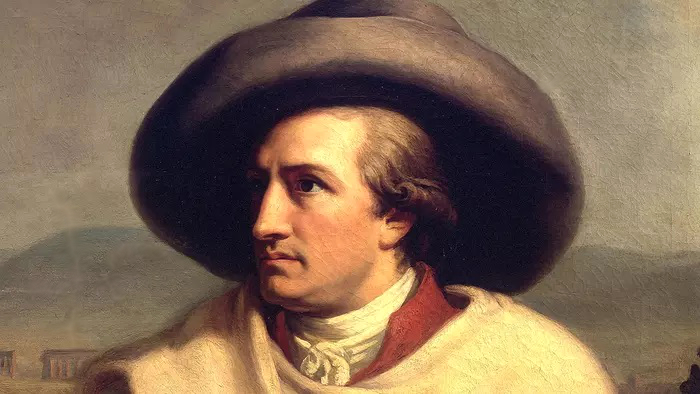
Johann Wolfgang von Goethe
Goethe Schiller Partnership:
.
.
.
.
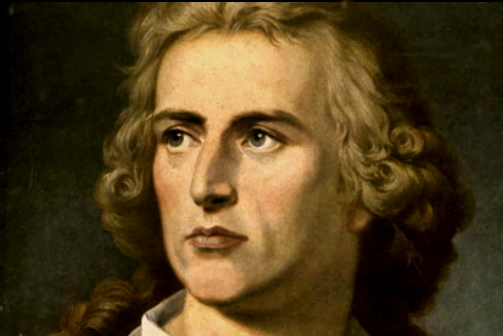
Johann Christoph Friedrich von Schiller
.
Not in cold marble stones,
Not in temples, dull and dead,
In the fresh oak groves,
Weaves and rustles the German God.
-Ludwig Uhland
.
.
.
..
Music – Classical
Carl Philipp Emanuel Bach, 1714–1788 – Germany. Composer & Keyboardist [Empfindsamer Stil, Classical]. Influenced by: Johann Sebastian Bach, Galant style. Most Famous Works: Solfeggietto, Keyboard Sonatas, Magnificat . Quote: “The composer must follow the heart of the music above all.”
Joseph Haydn, 1732–1809 – Austria. Composer [Classical] – Influenced by: Baroque traditions, Italian composers – Most Famous Works: The Creation, *Symphony No. 94 (“Surprise”) *, The Seasons. Attributes: 104 Symphonies. Father of the Symphony. Quote: “I am proud of my works and I intend to continue working until the end of my life.”
Wolfgang Amadeus Mozart, 1756–1791 – Austria. Composer & Pianist [Classical] – Influenced by: Johann Sebastian Bach, Joseph Haydn – Most Famous Works: The Magic Flute, Don Giovanni, Symphony No. 40 . Attributes: 41 Symphonies. 22 Operas. Quote: “Neither a lofty degree of intelligence nor imagination nor both together go to the making of genius. Love, love, love, that is the soul of genius.”
Ludwig van Beethoven, 1770–1827 – Germany. Composer & Pianist [Classical/Romantic] – Influenced by: Mozart, Haydn – Most Famous Works: Symphony No. 9, Fidelio, Moonlight Sonata Attributes: 9 Symphonies. Quote: “Music is a higher revelation than all wisdom and philosophy.”
Carl Maria von Weber, 1786–1826 – Germany. Composer & Conductor [Romantic Opera] – Influenced by: Mozart, Gluck – Most Famous Works: Der Freischütz, Oberon, Euryanthe – Quote: “Opera must speak to the heart of the people.”
Camille Pleyel, 1788–1855 – France. Pianist & Composer [Classical/Romantic] – Influenced by: Chopin, Early 19th-century piano traditions – Most Famous Works: Piano compositions, Salon music, Pedagogical works – Quote: “The piano must sing the soul of the composer.”
.
.
Librettist
Mattia Verazi, 1730–1794, Italy. Craft: Librettist. Known As: Collaborated with composers like Jommelli and Salieri. Served as court poet in Mannheim and Milan. Works: Quote: “The librettist’s role is to serve the music.”
Lorenzo Da Ponte, 1749–1838, Italy/USA. Craft: Librettist, Poet, Priest. Known As: Collaborated with Mozart. Became the first professor of Italian literature at Columbia University. Works: Don Giovanni, The Marriage of Figaro, and Così fan tutte. Later Quote: “I have lived as a priest, a libertine, a lover, a poet, and a professor.”
.
.
Performing Arts – Theatre
.
.
Philosophy
.
.
Publication & Sports
.
.
Science
.
.
Visual Arts – Painting, Architecture, & Sculpture
.
.
EVENTS
The Fredericks
Fredrick The Great, 1712 -1786. King IN Prussia King OF Prussia
Seven Years War
Alliances
Farming –
Last weekend in April is for Tree Planting (weather permitting).
.
.
History Of Farm Life – 1650 –1740
bio-dynamic farming
.
.
Animal Husbandry –
From Rural to Urban – the beginning of the Industrial Revolution 1712 – 1771
Rural to Urban
 When has man not labored for his bread? The first organized tribes were hunter and gathering societies, and When has man not labored for his bread? The first organized tribes were hunter and gathering societies, and these tribes did well, as long as there was plenty of food growing and living in the wild. During seasonal and weather changes, the fruits of nature were not as plentiful or predictable. During these changes, tribes would roam to more abundant grounds. They became nomadic, always on the move or on the hunt to where the food was most available. However, during a drought this would often cause conflicts between different tribes or families within the groups.
So when did men decide to stay put and develop agriculture? It is believed the tribes that remained were the River Tribes. In particular, the Egyptians. Almost out of nowhere, they took root and took noticed of the flooding of the Nile. How this river swelled during the wet season and how the plants would grow based on the silt left behind when the river receded. This process was so predictable that they cultivated and helped nature create more of what they needed and wanted. They gathered seeds from the mature plants, and using a stick they drew lines in the soil, creating a furrow, then they staggered the seeds, and covered them with the furrowed soil. The seeds grew in nice straight rows. This was the first plough.
From this stick, they began to use thicker branches, pushing and pulling, creating larger furrows. Then they tried using logs, finding this a difficult task to manage, they employed their domesticated animals to help pull the logs forward. This led to the creation of the yolk, and a yolk required rope. The plant material they used to weave baskets and clothes, they now used to weave rope.
Once they had the animals and the log fastened, through trial and error, they found slicing one end of the log at a 45-degree angle allowed the point to slide into the ground smoothly. This cuts deeper into the soil with less breakage. The results, more robust plants, allowing the seeds to create a complex root system providing more nutrients and thus developing bigger and stronger plants.
From this point on, the world of science and math became part of their societal structure. The stars, seasons, weather, measurement, what and when to plant all became an intricate part of their lives and the life of the community. The more food they grew and harvested, the more tools were needed. Clay pots were made on a massive scale, it is believed this is what developed the wheel, and in order to identify what was in the pots, writing was acquired. What the Egyptians had developed 4000 years ago was modern technology.
Once the Bronze Age arrived the sharp end of the stick, the spade, was made of metal and cut through the earth like butter, even in rocky loom. Trade began between the Greeks and the Egyptians, and later the Romans. From the Bronze Age on very little, in terms of the plough, changed until the steam-engine-plough was developed in the mid-1800s.
The bounty from agriculture pushed all manner of skills forward: pottery, woodworking, leather-binding, masonry, iron-smything, glassblowing. These skills over time were refined, leading to endless discoveries and curiosities. Everything in our world today started with these 7 skills, and they continue to develop and uncover more secrets we can not see with the naked eye, only our imaginations.
So, what is labor? Labor is energy. Taking energy, will, and transforming it into something that is useful, that functions well, that is creative. Ideally, labor should have a purpose for the good, its outcome should be a reward within itself, while fine-tuning one’s skills and becoming a master at one’s craft.
Even in the most mundane elements of one’s labor there should be moments where one takes joy in the work, where one loses all track of time in this joy and the wonder of the final product and develops a sense of understanding and knowing the creative muse.
Labor can be hard, but it is not without its rewards and not just financially, but in what one is able to accomplish and put forward for others to share. This turn from work and labor, with a purpose, to the Industrial Age, for profit, at its core, still has people scratching their heads. How did humanity go from working for our daily bread and the march toward progress, only to end up entrapped as slaves for money? How do we reconcile and work in such a world?
This topic and others will be explored in several areas at the PEACH during the month of May.
.
[tbc]
Rural effects:
Urban effects:
What set all these revolutions off? There is plenty of room for debate, but there’s no doubt industrial technological change affected the life of all Europeans, but specifically the largest group of people, the urban working class. This technology helped to develop more printing presses which created more newspapers, which provoked political awareness, spreading a more liberal and national philosophy of values and ideas, and the call for sharing of the growing wealth. This followed a massive draught and crop failures the year before producing a great deal of hardship. Further, as the Royalty sought more money for wars and banks, taxes increased to pay for the wars, and the profits demanded by the bankers. This led to higher taxes on the poor, but especially on middle class and even the nobility. The poor rose against working conditions, wages, and taxes. When this began to effect the middle class they joined in the struggle of the poor and finally a good portion of the wealthy joined in.
.
History of Industry
.

Early Industrial Era – STEAM
Early Industrial Age, 1712–1800
Key inventions
– Canals
– Steam Engine
The first recorded steam railway journey took place on 21 February 1804, when Cornishman Richard Trevithick’s ‘Pen-y-Darren’ locomotive carried ten tons of iron, five wagons and seventy men the 9.75 miles from the ironworks at Penydarren to the Merthyr-Cardiff Canal in four hours and five minutes. The journey had an average speed of c. 2.4 mph. Twenty five years later, George Stephenson and his son, Robert Stephenson, designed ‘Stephenson’s Rocket’. This was the most advanced locomotive of its day, winning the 1829 Rainhill trials as the only one of five entrants to complete the one mile track in Lancashire. The trials had been put on to test the argument that locomotives provided the best propulsion for the new Liverpool and Manchester Railway. The Rocket’s design – with its smoke chimney at the front and a separate fire box in the rear – became the template for steam locomotives for the next 150 years.1837—English schoolmaster, Rowland Hill invents the postage stamp.
Newcomen 1712
1763 James Watt Scottish engineer invented the first practical steam engine in
-Loom
Loom James Hargreaves Spinning Jenny an engine for spinning wool or cotton invented in 1764. Richard Arkwright, who constructed Cromford Mill in 1771.
The History of Plagues and Disease – Lecture
Brief History –
-Leprosy, unknown dates, millions effected. lasts 6 months to 40 years. Cause: mycobacterium lepraehas.
-Antonine Plague, 165 AD. 5 million deaths. Cause: Unknown
-Bubonic Plague, 541AD – 549AD. 30 to 50 million deaths. Cause:
-Black Death, 1334 – 1353. 75 to 200 million deaths. Cause:
-Sydenham Chorea, Dancing Plague of 1518 – Illness, bacteria, unknown numbers. Cause:
-Smallpox, 1520 – 1620. Illness and possible death. 25 to 56 million effected. Cause:
-6 Cholera Pandemics, 1817 – 1923. Illness and death. Untold millions affected. Cause: bacterium Vibrio cholerae serogroup, filthy water.
-Spanish Flu – Flu of 1918, 1918-1920. Illness and possible death. 50 to 100 million effected. Cause:
.
.……….
.
History
Neoclassical and the Early Enlightenment 17th – 18th century
~Sir Charles Lyell, 1st Baronet, FRS was a Scottish geologist who demonstrated the power of known natural causes in explaining the earth’s history. Wikipedia
Born: November 14, 1797, Kinnordy, United Kingdom
Died: February 22, 1875 (age 77 years), London, United Kingdom
Influenced: Charles Darwin, Alfred Russel Wallace, Thomas Henry Huxley, Henry Brooks Adams
Education: Exeter College (1816–1821), University of Oxford, King’s College London
Influenced by: James Hutton, Jean-Baptiste Lamarck, William Buckland Nationality: British -Mt Etna – geologic. Book Charles Lyell principles of geology
~Malthus 1766-
populations rise faster than food supply
Art
 The Romantics 1740 – 1840 – Who were they? Art, Music, Literature, Philosophy and most of all Passion.
The Romantics were a response, a revolt, to the Neoclassical world, and its child, The Enlightenment. The Romantics had other ideas in mind, those that were, in contrast to the order, organization, pragmatism, a place for everything and everything in its place found in the nèos klasikόs.
German poet, Karl Wilhelm Friedrich Schlegel (1772 -1829), was the first to use the term romantic. Part of the Jena Romanticism (Early Romantics), he defined Romanticism as, “literature depicting emotional matters in an imaginative form.”
Some would argue that the Romantics were a response to the Enlightenment. Push forward by the Neoclassical period, they embraced logic and reason, developed a sense of progressivism, organization and refinement, developed a path towards science, critical thinking, invention, and technology. They rejected the magic of spiritual matters and endeavored that the unexplained was a mere phenomenon yet to be discovered. The scientific method developed by Francis Bacon was slowly, but surely, intertwining itself into the culture like a snake. The Enlightenment Lecture Series is taken up during April.
The Romantics, on the other hand, embraced human emotions, creativity, and spontaneity. Their aim was to feel everything. Perhaps as a response to the Enlightenment’s distance from the ideas of magical thinking. The Romantics bellowed, “There is more to life than work and organized ways of thinking! There is sympathy of feeling, and through this feeling new morals, ethics, and aesthetic must be established.”
How did we get from the work-a-day world and the marching of time and progressivism to Romanticism? The Romantics took feeling and matters of the heart to a broader set of ideals. Human Beings are not only thinkers and builder, they are also beings filled with passions, desires, sorrows, and anguish. Romanticism had such a profound effect at the time that, like the Enlightenment, it is still alive today and part of our political dialectic and diatribe, oft’ to our cultural detriment.
However, the true spearhead of this movement was the Swiss philosopher, writer, and composer, Jean Jacques Rousseau (1712-1778). His ideas embraced self-love, individual will, free speech, child-centered learning, civil religion, and liberal idealism. In many ways, Rousseau prepared the ground for what later became known as the Faustian Spirit. A comparison between Rousseau and Goethe, as noted by Nietzsche, is quite interesting. He regarded Rousseau as a man full of passion with revolutionary ideas, while he regarded Goethe as a man of deep appreciation and refinement. However, Nietzsche also saw the downside of both, and was very critical of their faults. We will learn more about Nietzsche next month during Modernity.
Rousseau wrote a very popular book at the time titled, Emile, on Education (Émile, ou De l’éducation). The focused of the book was on childhood and the raising of a boy. His admiration of innocence, purity, naivety, absolute trust, along with the wonders of discovering everything for the first time. He believed this made life a joy, exciting, and worth living. As the world became more organized, sterile, predictable, managed by the cold rigors of science, Rousseau looked to the child for hope and delight, charm in its innocence and natural sweetness, honesty and spontaneity, which can only be observed in the development of a child. Through this, he discovered its genius, and believed the importance in life was never to lose this spark.
The focus and development of the Romantics was sensitivity, irrational, imaginative, creative, passion, love over wealth, heart over mind, sympathy over rationality, the kindness of the Christ.
 The Romantics saw the future of progress. They feared and later rallied against the concept of machine overtaking the work of men. In art, they embraced the grandeur of the natural landscape. They were reaching back to the time of the Medieval era, where hand-crafted skills and the refinement of the arts for the sake of creativity, discovery and knowledge, matter more than the collection of material wealth. They believed that civilization was making us sick.
Goethe, on the other hand, discovered a balance between the Enlightenment and the Romantics. He did this in part through his methods of observation and an appreciation for the natural world. In late August there will be a lecture on his biography.
The Legacy of the Romantics – Writers Wordsworth, Blake, Shelley, Byron, Keats, Bronte, Dumas, Hugo, Goethe, Schiller. Musician’s: Beethoven, Brahms, Dvorak, Wagner, Tchaikovsky. Painters: Cole, Turner, Delacroix, Goya. Future evolution of the Romantics will flourish through the Expressionists and Impressionists. Lecture by, Prof. Burke. Monday 7PM. Theatre.
.
.
.
.
.
.

.History & Philosophy –
Establishing the Individual
.
.Biographies
.
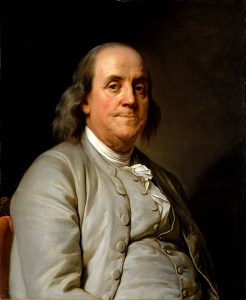 Benjamin Franklin – Diplomat, Printer, Founding Father, 1706 – 1790. Born, English Colony of Massachusetts
.
.
.
.
.
.
.
.
.
.
.
.
.
.
.
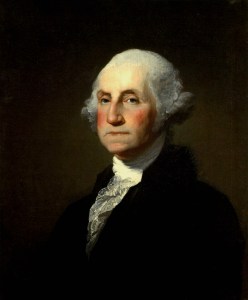 George Washington – General, President, Founding Father, 1732 – 1799. Born, English Colony of Virginia.
1st President of the United States Of America. Surveyor.
.
.
.
.
.
.
.
.
.
.
.
.
.
.
 Thomas Jefferson – President, Diplomat, Inventor, Founding Father, 1743 – 1826. Born, English Colony of Virginia.
.
.
.
.
.
.
.
.
.
.
.
.
.
.
Founding Father
John Adams 1735 – 1826. Braintree, Massachusetts, United States. Federalist.
Alexander Hamilton, 1755 – 1804. Born Charlestown, Saint Kitts and Nevis. Federalist.
James Madison, 1751 – 1836. Port Conway, Virginia, United States. Father of the Constitution. Democratic-Republican.
.
.
.
.
.
.
.Revolution – Before The Revolutions, 1764
.
.
.
.
.
.
.
.
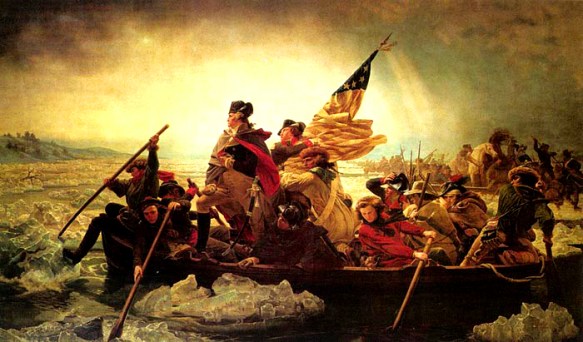
American Revolution – 1776
Dutch Revolution – 1783
French Revolution – 1789 – France was the most populated country in Europe, 2nd only to Russia.
Houses
The Bourbons
The Habsburgs
Holy Roman Empire
British Empire
La French
The Sun
The Beloved
The Last
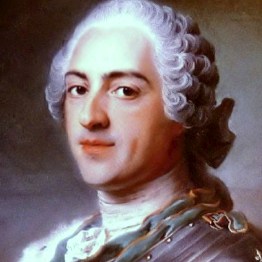 King Louis XV – Louis the Beloved, 1710 – 1774. Born, Versailles, France.
.
.
.
.
.
.
.
.
.
.
.
.
.
.
.
Joseph De Maistre, 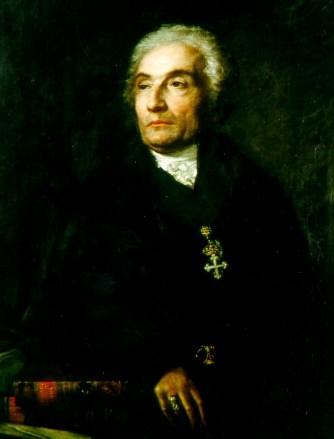 1753 – 1821
.
.
.
.
.
.
.
.
.
.
.
.
.
.
.
.
Sweden
The Nation Of Sweden Was Established…
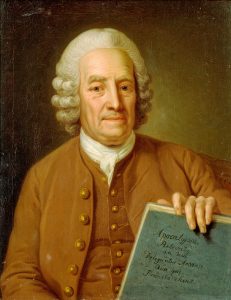 Emanuel Swedenborg, 1688 – 1772. Born: Stockholm, Sweden. Died: London, United Kingdom. Swedish Christian theologian, scientist, philosopher and mystic. Influenced by: Plato, Isaac Newton, Aristotle, René Descartes, Augustine of Hippo, Gottfried Wilhelm Leibniz, Plotinus
.
.
.
.
.
.
.
.
.
.
.
.
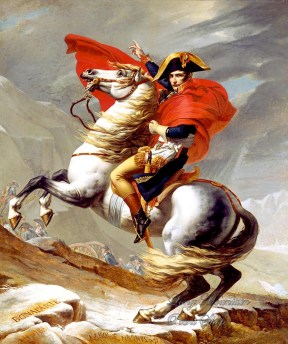
Napoleon Bonaparte, 1769–1821, Corsica/France. Title: Emperor Napoleon I, Military General, Statesman. Parents: Carlo Maria Buonaparte & Maria Letizia Ramolino. Siblings: Joseph, Lucien, Elisa, Louis, Pauline, Caroline, Jérôme. Spouse: Joséphine de Beauharnais (m. 1796, annulled 1810); Marie Louise of Austria (m. 1810). Children: Napoleon II (with Marie Louise). Accomplishments: Led French Revolution campaigns; conquered much of Europe; established Napoleonic Code (1804). Works: Speeches—Proclamation to the Army of Italy (1796); Codes—Napoleonic Code. Affiliations: Jacobins (early); Bonapartist. Education/Mentors: Military School of Brienne; École Militaire; mentored by Antoine Saliceti. Contemporaries/Rivals: Duke of Wellington, Horatio Nelson, Tsar Alexander I. Influence: Spread revolutionary ideals; reshaped European legal and political systems, change European mathematic system from the Royal System (base 12) to the Metric System (base 10). Symbols/Legacy: Napoleonic Wars; Arc de Triomphe; influence on civil codes worldwide.
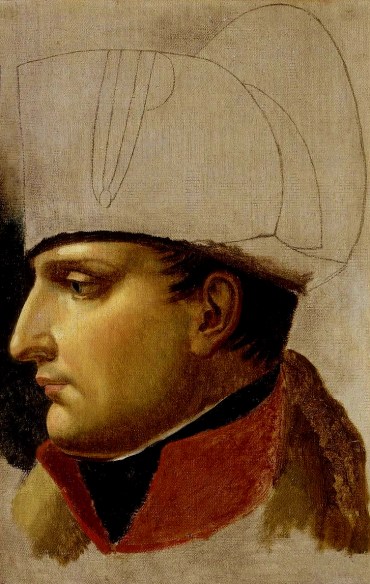 Napoleon was born in Corsica, France. The Island of Corsica was the last part of the Genoa State sold or taken by France. There was such a strong resistance it was tough to say for certain. Napoleon was born a few years after this decision/invasion. Of Course France taking control wasn’t popular with everyone on the island. However, in the end Napoleon’s father succumb to the powers of Franc and became a representative of this new colony. This opportunity provided him with many advantages for his 8 children. Including Napoleon, who resented him for caving into the French.
Napoleon of Corsica was the 4th child of Carlo Maria di Buonaparte and Maria Letizia Ramolino. At a young age his father sent him to military school in France. He was the poorest of the students who attended, but he did very well in his studies, despite being a loaner.
1791 – Napoleon the Soldier. Napoleon joins the Jacobins. Rejoins the La Fere Artillery Regiment at Auxonne. Promoted to 1st lieutenant and re-assigned to 4th Artillery Regiment at Valence. Takes oath to new Constitution.
Napoleon the General – La Grande Armée.
Napoleon the Scientist – He often sent ships out on exploration to lands conquered and unconquered in order to discover new and interesting materials; plants, mineral, animals, artifacts. He expected journals and reports which he read thoroughly. He was an active and dedication member of the French Institute of Science, and was the President of the French Academy of Sciences from 1801 until he was banished. His support and funding is what lead to the discovery of the Rosetta Stone in 1799.
Napoleon the Mathematician – He standardized the metric system, replacing the Imperial measuring system.
Napoleon the Artist – Napoleon wasn’t a painter or sculptor, but he had a deep appreciation for art, especially, the artifacts he stole. He created a museum for these treasures in order to share them with the public. This museum eventually became known as the Louver (opening or vent). He was also a story teller and closely involved in the designed and creation of all the paintings he was depicted in, which was a form of propaganda. He took pleasure in the design of military uniforms, metals, banners rooms and furniture. He was also an author and loved literature, especially ancient history and military history, which is where he learned everything. This became an industry, all Generals who followed Napoleon began to study and write books on the military tactics of war.
Napoleon the Inventor – The pencil (crayon). Canning.
Napoleon Habits and Idiosyncrasies – He was a workaholics, and seldom slept more than 4 hours. He ate in silence and often quickly. His favorite foods were chicken with potato and onions. His favorite and Champagne and chicken soup. He enjoyed scalding hot baths, the spoiling of woman’s clothes; especially, if made in England. He had a high sense of smell. He believed in fate and luck and that he could see his star in the sky. He hated open doors, and made entering a room difficult. He believed the British were poisoning him.
Napoleon Health – In French numbers he was listed at 5’2″, however in reality he was 169 centimeters making him 5′ 5″. He suffered from piles, and died of stomach cancer.
Napoleon and Animals: He kept a pet eagle named Eagle, was terrified of the dark —nyctophobia, that was said turned him into an ailurophobe, fear of cats. However, the stories circulating could have been be mistake for his wife, Joséphine had several cats and it was his nephew, Napoleon III, who had a severe and irrational fear of cats. Yet in 1807 Napoleon and a group of people were ambushed by a horde of tame rabbits. The farcical event occurred during a rabbit hunt that had been organized to celebrate the Treaty of Tilsit, which had cemented Napoleon’s power over continental Europe. The embarrassing incident was a secret kept within Napoleon’s inner circle, not to damage his public image. The story was recorded in the memoirs of General Paul Thiébault, a witness to the event. For the man who had conquered much of Europe, being defeated by a stampede of hungry bunnies remains one of the most absurd footnotes in history.
Code Napoléon, 21 March 1804 – Created law codes replacing common law, the abolition of Feudal Laws. Reversed some of the rights women gained during the Revolution, specifically, divorce and money. Wayward children were captured and imprisoned. He created a centralized government and central bank. Built roads and a sewer system. Developed a higher educational system. As he conquered Europe the Code Napoléon was put into place throughout Europe. This Document, one of the few, has influenced and changed the entire world.
Napoleon and Josephine – She was his shinning star, he believed she brought him good luck. He always carried a miniature portrait of her with him everywhere. When she died he wore violets in his hair as a remembrance, they were her favorite flower.
Napoleon the Emperor – 2 December 1804. He crowed himself Emperor. Notre Dame Cathedral, he had 400 musicians.
Quotes:
“I love Power like a musician loves music.”
“Never interrupt your enemy when he is making a mistake.”
“From the heights of these pyramids, forty centuries look down on.
“It is just one step from sublime and the ridiculous.”
Napoleon and Marie Louise, Duchess of Parma
Napoleon’s Son – Napoléon François Joseph Charles Bonaparte, 1811 – 1832
Napoleon & the United States
Napoleonic Wars
Napoleonic Wars (1803–1815)
Rise of Napoleon Bonaparte after French Revolution
Major campaigns and battles (Austerlitz, Trafalgar, Leipzig)
Continental System and British naval dominance
Downfall of Napoleon and the Battle of Waterloo (1815)
Congress of Vienna (1814–1815) and the reorganization of Europe
War of the Third Coalition: 1805 to 1806
Coalition: Great Britain, Austrian Empire, Russian Empire, Naples, Sicily, and Sweden.
Location: Italy, Cape Trafalgar, Kingdom of Italy, Atlantic Ocean, Central Europe
Battles: Austerlitz, Schöngrabern, Elchingen, Caldiero. tba
War of the Fourth Coalition
Peninsular War
War of the Fifth Coalition
French invasion of Russia
War of the Sixth Coalition
War of the Seventh Coalition
arrived with 600k men
returned with 93k men
Waterloo –
America –
Napoleon’s Exile –
St. Helen’s Island –
Napoleon’s Death –
Napoleon Secret Society –
Everyone knows Napolaean
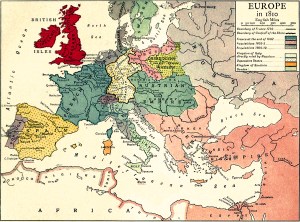
The Napoleonic Era: Rise, Rule, and Reorganization of Europe (1799–1815)
In the tumultuous wake, th great turbulent upheaval of the French Revolution in 1789, which had swept aside a weak and irresolute monarchy which left the realm in grievous disarray. Yet, there arose from obscurity a figure most extraordinary — Napoleon Bonaparte. This Corsican, possessed of unyielding ambition and a genius for the art of war, promised to the French people what they craved above all: stability, order, and glory. By his Italian triumphs he first announced himself to Europe, and by the bold stroke of the Coup of the 18th Brumaire he seized the reins of government, installing himself as First Consul, and, ere long, crowning himself Emperor of the French.
Yet the Emperor’s designs could not be confined within the borders of France. He sought to remake the very map of Europe by conquest and reform. His star shone brightest at Austerlitz, in the year of 1805, when with masterly manoeuvre he humbled the combined hosts of Austria and Russia in what many deem the most splendid victory of modern times. But the fates are not forever kind. That same year, upon the sea, the gallant Nelson struck at Trafalgar, where Britain’s navy secured an ascendancy never since disputed, thus closing to Napoleon the prospect of subduing the island kingdom by invasion.
Foiled on the waters, he turned to commerce and decreed his vast Continental System, a blockade designed to strangle Britain’s trade. Yet the measure recoiled upon his own dominions, breeding resentment, ruin, and secret defiance amongst his allies. Spain became a quagmire, Russia a snare.
It was in the Russian campaign of 1812 that Fortune at last abandoned him. His Grand Army, once the most formidable force upon earth, was wasted by frost, famine, and the ruthless scorched earth of the Muscovite. From that catastrophe the Emperor never fully recovered. The nations of Europe, heartened by his ruin, rallied at Leipzig in 1813, where the combined might of Russia, Prussia, Austria, and Sweden overwhelmed him in the great Battle of Nations.
Compelled to abdicate in 1814, Napoleon was sent to the isle of Elba. Yet in daring fashion he escaped his prison, returned to France, and for one hundred days held the sceptre once more. It was at Waterloo, in June of 1815, that his destiny was sealed. There, beneath the steadfast command of the Duke of Wellington and the timely arrival of Marshal Blücher’s Prussians, the Emperor’s last army was broken. Banished to the lonely isle of Saint Helena, he lingered until death claimed him in 1821.
Thus ended an epoch. In his stead the assembled powers, convened at Vienna, sought to restore the ancient order and re-establish a balance of power. Prince Metternich and his brethren in diplomacy endeavoured to suppress the spirit of revolution and enchain the nations within the bonds of conservatism. Yet the seeds sown by Bonaparte — of nationalism, of liberty, and of a Europe awakened — lay hidden in the soil, destined in time to sprout anew.
.
Napoleonic Wars (1803–1815)
Rise of Napoleon Bonaparte after French Revolution. Napoleon capitalized on post-revolutionary chaos, seizing power and establishing a new empire.
War & Reform – Major campaigns and battles (Austerlitz, Trafalgar, Leipzig). His campaigns reshaped Europe; victories like Austerlitz showcased his brilliance, but defeats like Trafalgar exposed limits.
Continental System and British naval dominance weakened Napoleon’s position.
Downfall of Napoleon Catastrophic invasion of Russia and defeat at Leipzig led to exile; final defeat at Waterloo sealed his fate. (1815)
Congress of Vienna (1814–1815) and the reorganization and restructured of Europe i order to suppress revolutionary change and maintain peace—laying foundations for 19th-century geopolitics.
.
Napoleonic Wars – invasion of the HRE
Napoleon Bonaparte (1769–1821, French) – Emperor of the French, military genius who reshaped Europe through conquest and reform. Crowned himself in 1804, led campaigns from Austerlitz to Waterloo. Exiled twice. Quote: “Impossible is a word to be found only in the dictionary of fools.”
Arthur Wellesley, Duke of Wellington (1769–1852, British) – British general who defeated Napoleon at Waterloo; later served as Prime Minister. Known for strategic brilliance and political influence. Quote: “The battle of Waterloo was won on the playing fields of Eton.”
Horatio Nelson (1758–1805, British) – Admiral of the British Royal Navy, famous for his decisive victory at the Battle of Trafalgar, securing British naval dominance. Quote: “England expects that every man will do his duty.”
Alexander I of Russia (1777–1825, Russian) – Tsar who initially allied with Napoleon but later led Russia in the coalition that defeated him. Known for reforms and conservative reaction post-war. Quote: “A man must be strong to be just.”
Gebhard Leberecht von Blücher (1742–1819, Prussian) – Prussian field marshal who played a key role at Waterloo, coordinating with Wellington to defeat Napoleon. Quote: “Prussia must be saved.”
Charles Maurice de Talleyrand (1754–1838, French) – French diplomat who survived multiple regime changes; skilled negotiator at Congress of Vienna. Quote: “Speech was given to man to disguise his thoughts.”
Francis II (1768–1835, Austrian) – Last Holy Roman Emperor and first Emperor of Austria; fought Napoleon throughout the wars and lost the empire’s old structure. Quote: “I can do no more than my duty.”
Napoleonic Wars (1803–1815)
1803: Britain declares war on France, restarting conflict after the French Revolutionary Wars.
1804: Napoleon crowns himself Emperor of the French.
1805: Battle of Trafalgar — British naval victory under Admiral Nelson, securing naval supremacy.
1805: Battle of Austerlitz — Napoleon’s decisive victory over Russian and Austrian forces.
1806: Dissolution of the Holy Roman Empire; creation of the Confederation of the Rhine under French influence.
1807: Treaties of Tilsit — France and Russia agree to an alliance; Continental System initiated.
1812: French invasion of Russia — Catastrophic retreat and huge losses for Napoleon.
1813: Battle of Leipzig (Battle of Nations) — Coalition forces defeat Napoleon.
1814: Allied forces capture Paris; Napoleon abdicates and is exiled to Elba.
1815: Napoleon escapes Elba; Hundred Days campaign.
1815: Battle of Waterloo — Napoleon defeated by Duke of Wellington and Prussian forces.
1815: Congress of Vienna convenes to restore European order.
1815: Congress of Vienna convenes to restore European order.
1816: Napoleon Defeated.
.
.
.
.
.
.
.
.
.
.
.
.
Living Pan-European and American Cultural and Heritage Community Center

.
EMAIL: peachcommunity yahoo.com
.
.
.
.
.
.
.
.
.
.
.
.
.
quicklink
.
.
.
.
.
.
.
.
.
.
.
.
.
.
.
.
.
.
.
.
.
.
.
.
.
.
.
 PEACH COMMUNITY